India-US trade deal: White House says talks 'productive' as Goyal confirms most discussions concluded
Synopsis
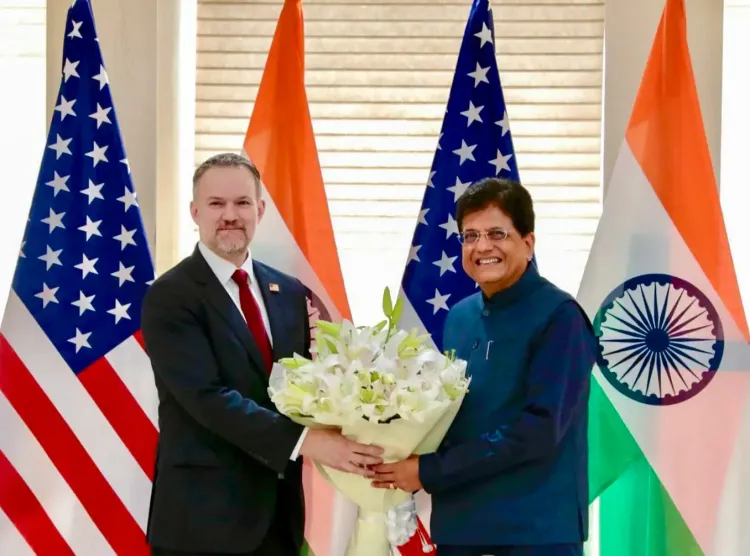
The India-US trade deal is closer than ever — the White House is calling talks 'productive', Piyush Goyal says most discussions are concluded, and Marco Rubio last week said the two sides were 'as close as you can be.' With $500 billion in US purchases on the table and tariffs already cut from 50% to 18%, a historic bilateral agreement appears to be within striking distance.
Key Takeaways
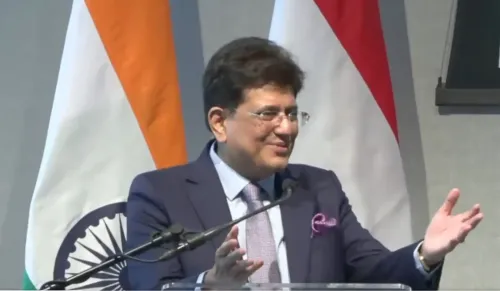
The White House confirmed on 27 October 2026 that the Trump administration is in 'productive talks' with India on a 'historic trade deal.' Commerce Minister Piyush Goyal said at the India-Netherlands Business Forum in The Hague that 'most discussions' have been concluded and the agreement is being fine-tuned.
Under the February framework , the US cut tariffs on Indian goods from 50% to 18% ; further negotiations followed a US Supreme Court ruling on tariffs.
Secretary of State Marco Rubio said on 20 October in Mumbai that the two sides were 'very, very close' to an agreement.
India has indicated it plans to purchase $500 billion worth of US goods — including energy, aircraft, and technology — over five years .
The US is India's largest trading partner ; a deal would be among the most consequential shifts in bilateral economic ties in decades.
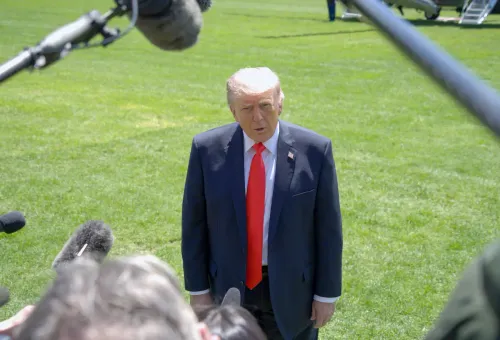
The White House on 27 October 2026 confirmed that the Trump administration is engaged in 'productive talks' with India on a 'historic trade deal', hours after Commerce and Industry Minister Piyush Goyal indicated that the two sides had concluded most of their discussions and were now fine-tuning the final agreement. The statement from Washington signals that a landmark bilateral trade pact between the world's largest and fifth-largest economies could be imminent.
White House Statement
White House spokesman Matthew Middleton said: 'Representatives of the Trump administration continue to engage in productive talks with Indian officials to secure a historic trade deal that puts Americans and America First.' Middleton added: 'President Trump and Prime Minister Modi have a close personal relationship, and both leaders remain committed to lifting bilateral ties to new levels.' The remarks underscored that the negotiations carry political weight well beyond routine trade diplomacy.
Goyal's Remarks from The Hague
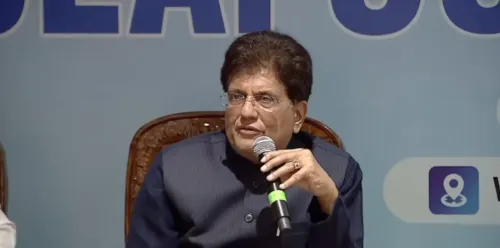
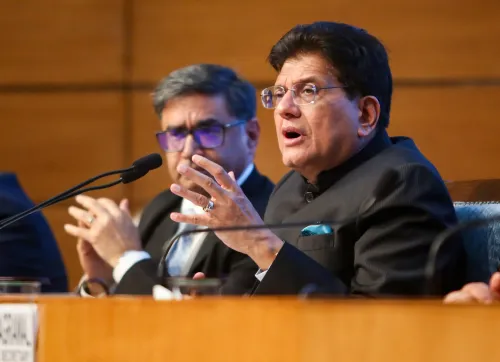
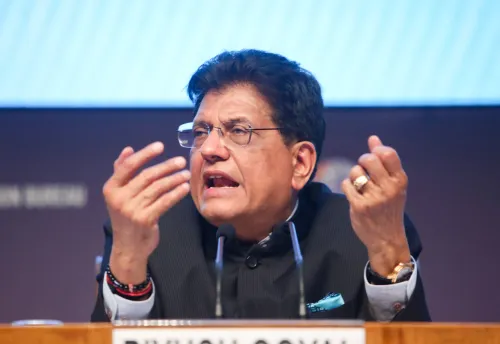
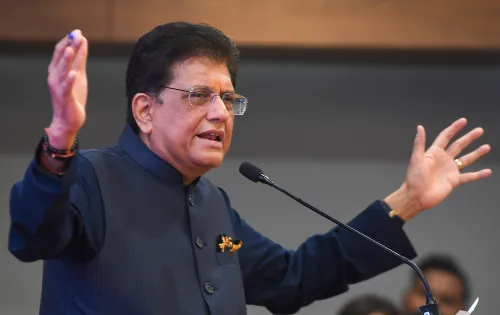
Speaking at the India-Netherlands Business Forum in The Hague on Monday, Goyal declared: 'We have concluded most of the discussions and are fine-tuning the agreement.' Goyal is currently in the Netherlands as part of a broader visit covering Germany and the Netherlands alongside a business delegation. He also noted that India has concluded nine free trade agreements in the last four and a half years, framing the prospective US deal as the centrepiece of a broader trade-expansion drive.
Timeline of Key Negotiations
The two countries announced the framework for the first phase of a bilateral trade agreement in February, under which the US reduced tariffs on Indian goods to 18 per cent from 50 per cent. Subsequent shifts in US tariff policy — including changes following a US Supreme Court ruling on tariffs — necessitated further rounds of negotiation. Goyal met US Trade Representative Jamieson Greer on the sidelines of the G20 Trade Ministerial in Milwaukee on 1 October. A team led by Commerce Secretary Rajesh Agrawal held talks with US officials in Washington from 15 to 17 October.
Notably, Secretary of State Marco Rubio, during his visit to Mumbai on 20 October, offered perhaps the most explicit public signal yet, telling reporters: 'We're very, very close. I would say we're about as close as you can be without (inaudible) agreement. I think there's a small number of items to wrap up, so I think that will happen shortly.' Rubio clarified: 'Obviously the State Department doesn't negotiate trade agreements, but we are very much involved in what's happening.'
What Each Side Wants
The trade negotiations have been closely watched in both capitals. Washington has pressed New Delhi to purchase more American energy and technology products, while Indian exporters have sought meaningful relief from US tariffs. India has indicated it intends to buy $500 billion worth of US energy products, aircraft and aircraft parts, precious metals, technology products, and coking coal over five years — a commitment designed to address the bilateral trade imbalance. The US remains India's largest trading partner.
What Comes Next
With senior officials on both sides describing the talks in near-conclusive terms, attention now turns to when a formal signing or announcement might occur. Any final agreement will need to navigate outstanding issues flagged by both sides, and the timeline will likely hinge on political calendars in both Washington and New Delhi. The conclusion of a deal would mark one of the most significant shifts in India-US economic relations in decades.
Point of View
A ministerial declaration in The Hague, and Rubio's 'very, very close' remark in Mumbai — is unusually coordinated for trade diplomacy, suggesting both sides want the announcement optics as much as the deal itself. What remains opaque is the outstanding 'small number of items' Rubio referenced; in trade negotiations, the last few percentage points are often the hardest. India's $500 billion purchase pledge is a headline number that deserves scrutiny — it spans five years and multiple product categories, and the enforcement mechanism matters as much as the figure. The real test will be whether tariff relief for Indian exporters is durable or subject to the same executive-order reversals that forced this second round of talks in the first place.
NationPress
27 Oct 2026
Frequently Asked Questions
What is the current status of the India-US trade deal?
As of 27 October 2026, the White House says talks are 'productive' and Commerce Minister Piyush Goyal has stated that most discussions have been concluded, with both sides now fine-tuning the agreement. Secretary of State Marco Rubio described the two sides as 'very, very close' during his Mumbai visit on 20 October.
What did Piyush Goyal say about the India-US trade agreement?
Speaking at the India-Netherlands Business Forum in The Hague on Monday, Goyal said: 'We have concluded most of the discussions and are fine-tuning the agreement.' He was in the Netherlands as part of a visit to Germany and the Netherlands with a business delegation.
What is India's purchase commitment to the US under the proposed deal?
India has indicated it intends to buy $500 billion worth of US products over five years, covering energy, aircraft and aircraft parts, precious metals, technology products, and coking coal. This commitment is seen as India's primary lever for securing tariff relief for its own exporters.
How have US tariffs on Indian goods changed during negotiations?
When the framework for the first phase of the agreement was announced in February, the US reduced tariffs on Indian goods from 50% to 18%. Further changes in US tariff policy, including shifts following a US Supreme Court ruling on tariffs, led to additional rounds of negotiation.
Who has been involved in the India-US trade negotiations?
Key figures include Commerce Minister Piyush Goyal on the Indian side, who met US Trade Representative Jamieson Greer at the G20 Trade Ministerial in Milwaukee on 1 October. Commerce Secretary Rajesh Agrawal led a delegation for talks in Washington from 15 to 17 October. Secretary of State Marco Rubio has also signalled US readiness to close the deal.