US midterms 2026: Indian American candidates split on Trump, crime in final pitches
Synopsis
On the eve of the 2026 US midterms, Indian American candidates offered a study in contrasts — Republicans Vivek Ramaswamy and Saritha Komatireddy running on crime and costs, while Democrats Suhas Subramanyam, Ro Khanna and Pooja Sethi framed their closing arguments around Trump, the Iran war and rising anti-Indian hate. The split reveals how America's fastest-growing political minority has fully arrived — on both sides of the aisle.
Key Takeaways
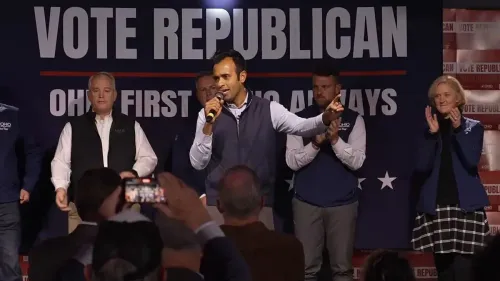
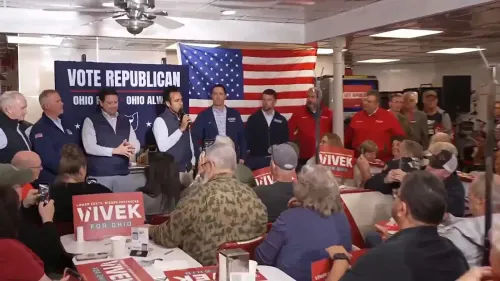
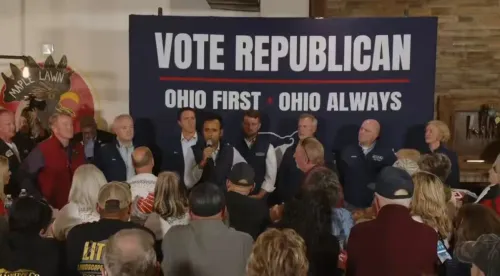
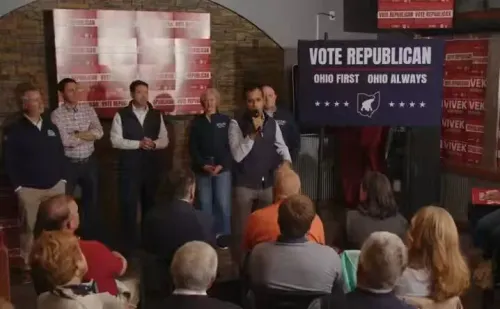
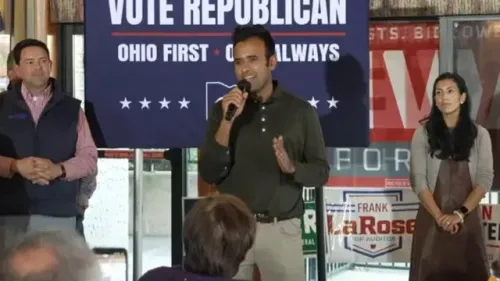
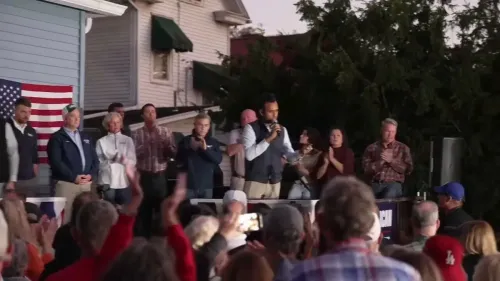
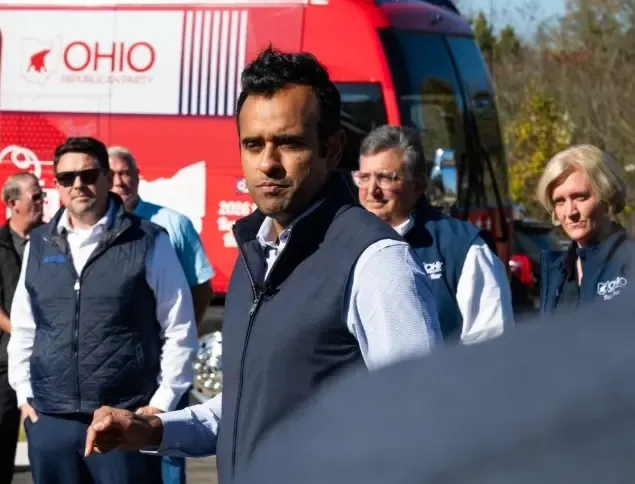
Vivek Ramaswamy ended his Ohio governor campaign with stops in Cleveland and Toledo , pitching property tax cuts and public safety.
Saritha Komatireddy toured Buffalo , Rochester , Syracuse , Binghamton and Long Island in her challenge to New York AG Letitia James .
Congressman Suhas Subramanyam of Virginia and Congressman Ro Khanna of California closed with anti-Trump and anti-Iran-war messaging.
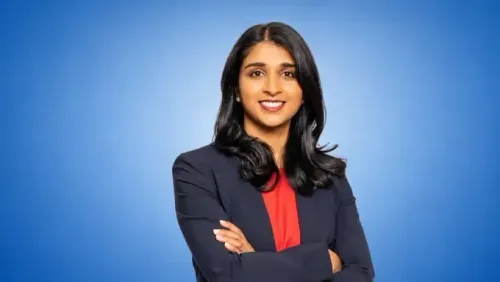
Pooja Sethi in Texas House District 47 addressed anti-Indian hate directly in her final pitch.
Pia Dandiya 's race in Florida's 22nd Congressional District has attracted heavy outside spending ahead of polling on Tuesday, 4 November 2026 .
Indian American candidates across the United States delivered sharply contrasting final arguments on the eve of Tuesday's US midterm elections, with Republican contenders hammering crime, energy costs and property taxes while Democrats framed their closing case around checking President Donald Trump and resisting a surge in anti-Indian hate crimes. The divergent messaging reflects the broader national fault lines that have defined the 2026 midterm cycle.
Republican Closing Arguments: Crime, Costs and Common Sense
In Ohio, Republican governor nominee Vivek Ramaswamy wrapped up a statewide tour with a final stop in Cleveland, after earlier visiting Toledo. In a post on X, Ramaswamy laid out an economic-and-safety pitch: 'Slash property taxes quickly. Restore the rule of law on our streets. Cut electric bills by producing more energy. This isn't right vs. left. It's right vs. wrong. It's common sense vs. crazy. That's the choice tomorrow.' In a separate post following his Toledo stop, he underscored a state-first mandate: 'Ohioans first, that's my sole responsibility as Governor.'
In New York, Republican Saritha Komatireddy — the daughter of Indian immigrants challenging incumbent Attorney General Letitia James — completed a sweep through Buffalo, Rochester, Syracuse and Binghamton before a final stop on Long Island. 'Crime, homelessness and fraud are all up under Letitia James, and she wouldn't change a thing. I'm the change New Yorkers have been waiting for,' she posted. Her campaign also leaned into her immigrant identity, quoting her: 'You come to this country because there's a promise and a hope that if you work hard ... you can provide for yourself and your family.'
Democratic Closing Arguments: Trump, Iran and Hate
Congressman Suhas Subramanyam of Virginia cast the election in explicitly anti-Trump terms. 'Tomorrow we will elect a Congress that works for the people, not the President,' he posted on the eve of polling. Congressman Ro Khanna of California used the final weekend to push his opposition to the ongoing Iran war, writing: 'Dems can vote to zero out appropriations for the war in Iran,' and noting that President Trump had called him 'a lightweight 4 times'.
In Texas, Democratic state House candidate Pooja Sethi, running in District 47, anchored her closing message in a direct response to anti-Indian hate incidents that have shadowed the state's campaign: 'We will not be intimidated. We will not be silenced. Hate has no home in Texas.' In Florida's 22nd Congressional District — a race that has drawn heavy outside spending — Democratic candidate Pia Dandiya posted a generational appeal: 'We have 1 day left to fight for a future worthy of our children.'
The Broader Split and What It Signals
The divergence among Indian American candidates closely mirrors the national campaign's contours: Republicans leaning on cost-of-living anxiety and public safety, while Democrats have made Trump, the Iran conflict and affordability their central themes. Notably, the presence of Indian Americans on both sides of the ballot — from a gubernatorial race in Ohio to Congressional contests in California, Virginia and Florida — marks a milestone in the political mainstreaming of the community.
This comes amid a broader national conversation about anti-minority sentiment, with several campaigns, particularly in Texas, explicitly addressing threats and harassment targeting South Asian communities. The pattern suggests that identity politics, once largely absent from Indian American campaigns, is now a live electoral variable.
What Happens Next
Polls open across the country on Tuesday, 4 November 2026. Results in high-profile races — including Ramaswamy's Ohio gubernatorial contest and Komatireddy's New York attorney general challenge — are expected to be among the most closely watched by the Indian American community. The outcomes will also test whether the community's rapid political diversification translates into electoral victories on both sides of the aisle.
Point of View
The community voted as a bloc; today, it fields a Republican governor hopeful in Ohio and a Democratic anti-war congressman in California simultaneously. The more telling signal is in Texas, where an Indian American candidate is explicitly running against hate targeting her own community — a sign that the political cost of anti-minority rhetoric has become real enough to anchor an entire closing argument. Whether these candidates win or lose, the mainstreaming of Indian Americans as both targets and agents of American electoral politics is now irreversible.
NationPress
3 Nov 2026
Frequently Asked Questions
Which Indian American candidates are running in the 2026 US midterm elections?
Several Indian American candidates are contesting the 2026 US midterms across both parties. On the Republican side, Vivek Ramaswamy is running for governor in Ohio and Saritha Komatireddy is challenging New York Attorney General Letitia James. Democrats include Congressman Suhas Subramanyam in Virginia, Congressman Ro Khanna in California, Pooja Sethi in Texas House District 47, and Pia Dandiya in Florida's 22nd Congressional District.
What is Vivek Ramaswamy's closing argument in the Ohio governor's race?
Ramaswamy's final pitch centres on slashing property taxes, restoring public safety and cutting electricity bills through expanded energy production. He framed the contest not as a partisan battle but as 'common sense vs. crazy,' and reiterated that his sole responsibility as governor would be to put 'Ohioans first.'
Why are some Indian American candidates addressing anti-Indian hate in their campaigns?
Texas Democratic candidate Pooja Sethi explicitly closed her campaign by addressing hate incidents targeting South Asian communities, stating 'Hate has no home in Texas.' Anti-Indian hate has reportedly shadowed parts of the Texas state campaign, making it a live electoral issue for affected candidates.
How does Congressman Ro Khanna's message differ from other Democratic candidates?
While most Democrats have focused on checking President Trump, Khanna used the final weekend to push opposition to US military appropriations for the war in Iran, writing that Democrats could 'vote to zero out appropriations for the war in Iran.' He also noted that Trump had called him 'a lightweight 4 times,' using the comment to energise his base.
What does the split among Indian American candidates reveal about the community's political identity?
The 2026 midterms mark a significant moment in Indian American political history, with prominent candidates fielded on both sides of the aisle. The divergence — Republicans running on crime and costs, Democrats on Trump and social issues — reflects the broader national polarisation and signals that the community no longer votes or campaigns as a monolithic bloc.