Punjab's 'Yudh Nashian Virudh' Hits 20 Months: 90,091 Arrested
Synopsis
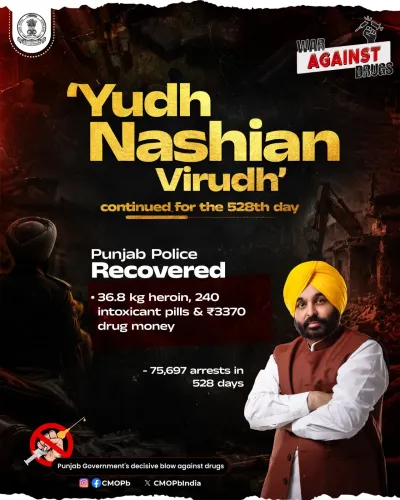
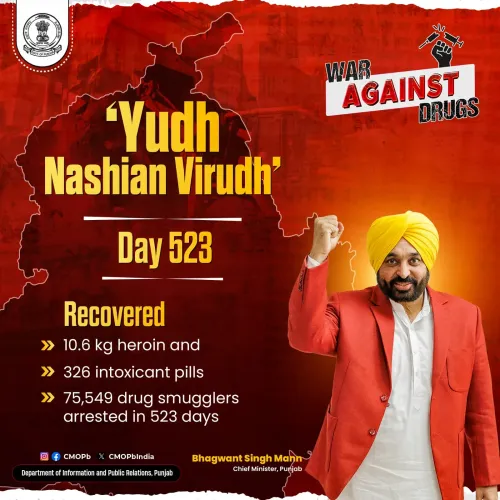
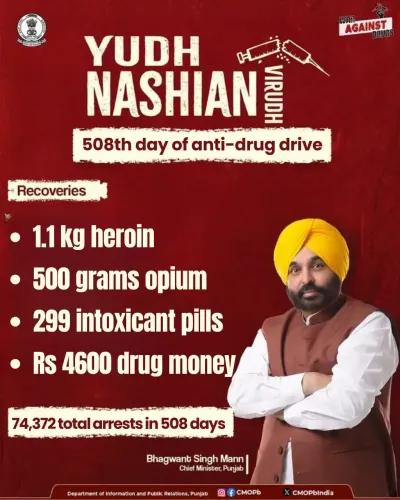
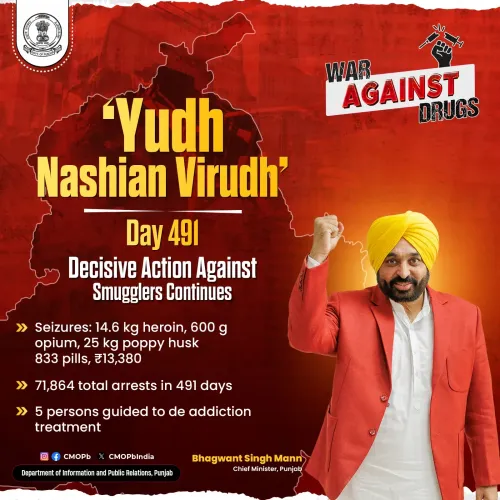
Punjab's 'Yudh Nashian Virudh' anti-drug drive completes 20 months with 90,091 smugglers arrested, 4,464 kg heroin seized, and 69,101 FIRs filed since March 2025, the Chief Minister's Office confirmed on 3 November 2026.
Key Takeaways
90,091 drug smugglers arrested since 1 March 2025 under the 'Yudh Nashian Virudh' campaign.
69,101 FIRs registered by Punjab Police over 20 months of the campaign.
4,464 kg of heroin recovered along with 10.7 quintals of opium and 515 quintals of poppy husk .
Other seizures include 84 kg of ICE , 1,860 kg of ganja , 67 lakh intoxicant pills/capsules , and ₹23 crore in drug money .
The campaign was launched on the directions of Chief Minister Bhagwant Singh Mann following the AAP government's 2022 anti-narcotics mandate.
Conviction rates and rehabilitation programme data have not yet been released alongside enforcement figures.
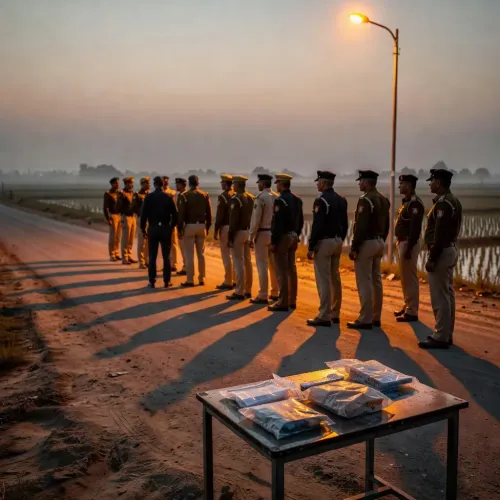
Twenty months into one of Punjab's most aggressive anti-narcotics campaigns, the numbers read like a siege report — 90,091 drug smugglers arrested, 4,464 kg of heroin seized, and 69,101 FIRs registered since 1 March 2025. The Chief Minister's Office of Punjab confirmed the milestone data on 3 November 2026, marking two years of sustained enforcement under the Yudh Nashian Virudh ('War Against Drugs') campaign directed by Chief Minister Bhagwant Singh Mann.
'Yudh Nashian Virudh': What Punjab Police have pulled off the streets
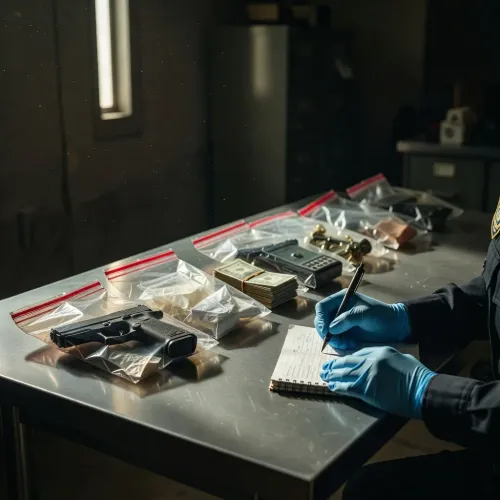
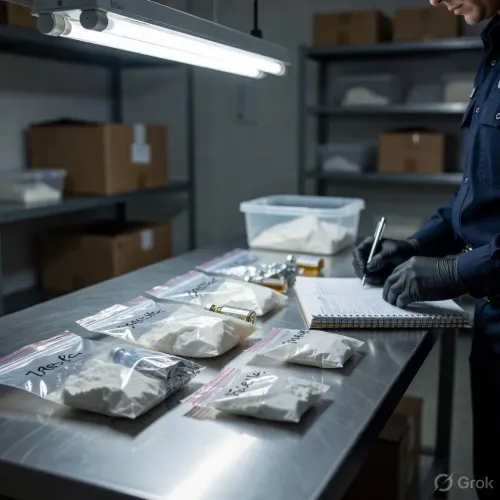
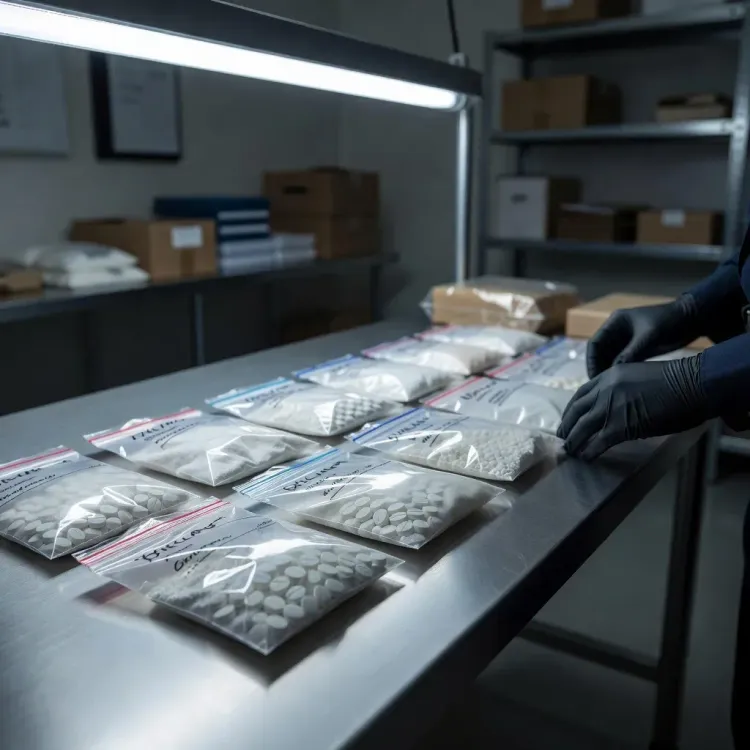
The seizure ledger goes well beyond heroin. Punjab Police have confiscated 10.7 quintals of opium, 515 quintals of poppy husk, 136 kg of charas, 1,860 kg of ganja, and 84 kg of ICE — the crystalline methamphetamine variant that has gained ground in Punjab's urban corridors. Authorities also recovered 67 lakh intoxicant pills and capsules and froze ₹23 crore in drug money, targeting the financial arteries of trafficking networks rather than only street-level couriers.
The sheer variety of substances underscores a central challenge: Punjab's drug problem is not a single-substance crisis. It spans opiates, cannabis derivatives, synthetic stimulants, and pharmaceutical abuse — each with distinct supply chains and user profiles.
Why Punjab's geography makes this fight uniquely difficult
Punjab shares an international border with Pakistan, a corridor historically linked to heroin flows originating in the Afghanistan-Pakistan production belt. That geography has made successive state governments targets of criticism over drug enforcement, and it is precisely why the Aam Aadmi Party government placed anti-narcotics action at the top of its agenda after taking office in 2022. CM Bhagwant Singh Mann formalised that priority into a named campaign — Yudh Nashian Virudh — to drive measurable, accountable enforcement.
Structured enforcement campaigns give state governments a visible accountability framework: FIR counts, arrest tallies, and seizure weights become public benchmarks against which performance can be tracked and challenged. The 20-month update is, in that sense, both a progress report and a political commitment renewed.
The numbers in perspective — and what still needs counting
Raw enforcement data tells one half of the story. Conviction rates, the depth of network dismantling, and rehabilitation outreach for addicts represent the other half — metrics the government has not yet quantified in this release. Punjab's drug crisis has historically been framed as a public-health emergency as much as a law-enforcement one, with affected families and Punjab's youth bearing the human cost. Whether the pace of FIRs and arrests is translating into fewer addicted young people in districts like Amritsar, Tarn Taran, and Gurdaspur will be the more definitive measure when that data surfaces.
For now, the 20-month milestone resets the clock and raises the stakes: every subsequent quarterly update will be measured against these numbers, and any reversal in seizure trends will carry outsized political weight.
Point of View
Making each subsequent update a public accountability test. The sheer volume of FIRs — over 69,000 — suggests a deliberate strategy of wide-net policing, though critics may question whether breadth of arrests correlates with depth of network dismantling. Punjab's proximity to international narcotics routes means the campaign operates within a structural disadvantage that no single state government can fully resolve without coordinated federal border and financial intelligence support. The missing rehabilitation data remains a political vulnerability: enforcement optics without measurable recovery outcomes risk reducing the campaign to a numbers exercise ahead of future electoral cycles.
NationPress
3 Nov 2026
Frequently Asked Questions
What is 'Yudh Nashian Virudh' in Punjab?
'Yudh Nashian Virudh' — meaning 'War Against Drugs' — is an anti-narcotics enforcement campaign launched by the Punjab government on the directions of Chief Minister Bhagwant Singh Mann, focused on large-scale arrests, FIR registration, and drug seizures across the state.
How many drug smugglers have been arrested in Punjab under the anti-drug campaign?
Punjab Police have arrested 90,091 drug smugglers and registered 69,101 FIRs since 1 March 2025 , according to the 20-month update released by the Chief Minister's Office.
How much heroin has been seized in Punjab since March 2025?
4,464 kg of heroin has been seized by Punjab Police since the campaign began on 1 March 2025 , alongside 515 quintals of poppy husk, 84 kg of ICE, and ₹23 crore in drug money.
When did Bhagwant Mann launch the anti-drug campaign in Punjab?
The formal 'Yudh Nashian Virudh' campaign began on 1 March 2025 , though the AAP government's anti-narcotics mandate dates to its election to office in 2022 .
Why does Punjab have a severe drug problem?
Punjab's drug challenge is partly structural: the state shares an international border with Pakistan, a historically significant corridor for heroin trafficking linked to production in the Afghanistan-Pakistan region, making enforcement uniquely complex for state authorities.