India's BRICS outreach to Nepal, Bangladesh signals South Asia reset
Synopsis
India's invitations to Bangladesh and Nepal for the BRICS outreach session are more than diplomatic courtesy — they are a calculated bid to reset strained bilateral ties with two neighbours at a historically sensitive moment, while anchoring South Asia more firmly in the Global South framework. The real test is whether a summit platform can translate into lasting political recalibration.
Key Takeaways
India has invited Bangladesh and Nepal to the outreach session of the 18th BRICS Summit in New Delhi .
Bangladesh is the current BIMSTEC chair, providing the formal basis for its invitation; Nepal is also a BIMSTEC member.
The move is seen as an opportunity to reset bilateral ties with both neighbours in the 'post-uprising era.' External Affairs Minister S.
Jaishankar may reportedly visit Nepal to personally extend the summit invitation.
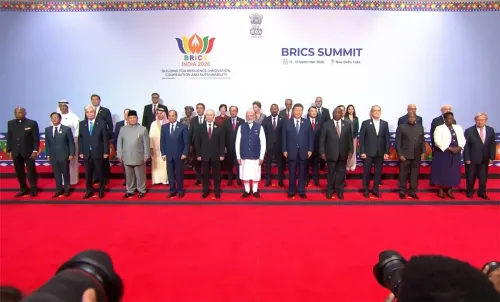
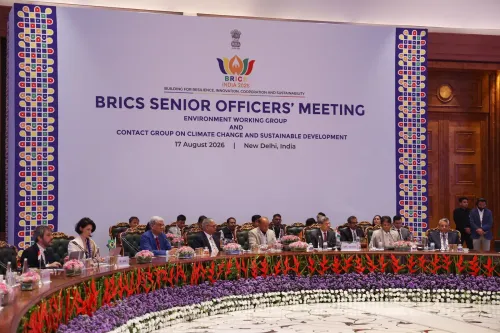
India's BRICS chairmanship theme is 'Building for Resilience, Innovation, Cooperation and Sustainability.' Analysts note that resetting ties with Bangladesh's current leadership remains challenging given historically frosty relations with New Delhi.
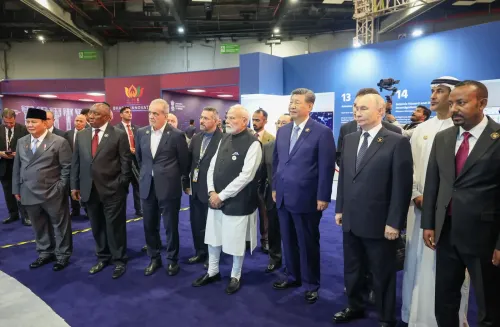
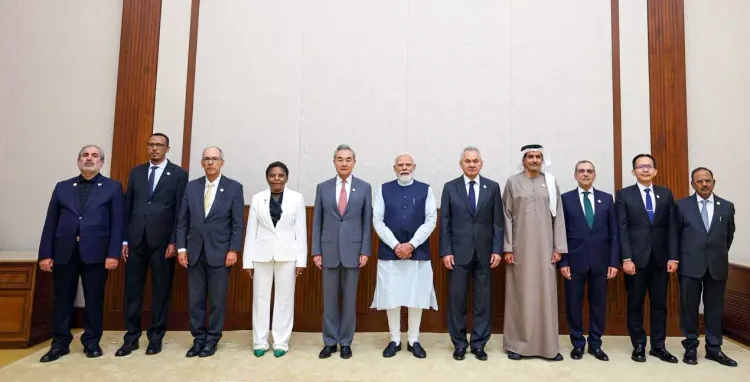
India's decision to invite Bangladesh and Nepal to the outreach session of the 18th BRICS Summit, scheduled in New Delhi next month, carries strategic weight beyond diplomatic protocol, according to a recent analysis. The move is seen as an opportunity to reset bilateral ties with two neighbours at a delicate juncture, while reinforcing India's role as a bridge between South Asia and the broader Global South.
Why the Invitations Matter
The inclusion of Bangladesh and Nepal follows an established BRICS practice of inviting chairs of regional groupings to its summit. Bangladesh currently holds the chairmanship of the Bay of Bengal Initiative for Multi-Sectoral Technical and Economic Cooperation (BIMSTEC), of which Nepal is also a member. The invitations thus carry both multilateral logic and bilateral intent.
According to the analysis, the gesture is aimed at strengthening multilateral dialogue on shared global challenges, economic growth, and regional connectivity across the Global South. Crucially, it also gives India and the two invitees an opening to recalibrate bilateral relations in what the report describes as the 'post-uprising era.'
The Bilateral Reset Imperative
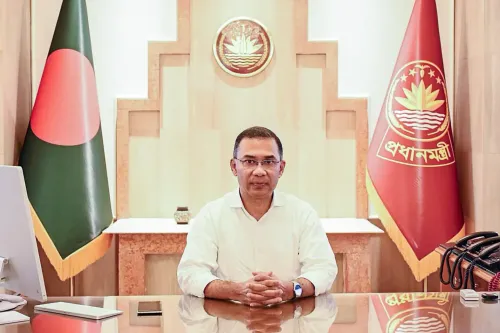
'Post-uprising, both Nepal and Bangladesh present a different situation for India,' the report noted. Nepal recently elected a political party barely five years old, led by a relatively inexperienced premier, while Bangladesh's current leadership has historically maintained a frosty relationship with New Delhi. The report acknowledged that resetting ties 'seems easier said than done under the current circumstances.'
There is also speculation, according to the analysis, that External Affairs Minister S. Jaishankar may travel to Nepal to formally extend a personal invitation to the Nepalese Prime Minister for the summit.
Nepal's Strategic Calculus
For Nepal, participation in the BRICS outreach session holds particular significance. The Himalayan republic has long pursued a balanced foreign policy between its two giant neighbours — India and China. Having both available on the same multilateral platform could help Kathmandu deepen its integration with the Global South initiative without appearing to tilt toward either.
The Broader Global Context
The summit arrives at a moment the report characterises as an era of 'global un-order,' where coercion and retaliation are eroding shared international rules. With the 'might is right' doctrine increasingly shaping great-power conduct, the analysis argues that the responsibility to steer the global system away from conflict falls disproportionately on emerging, peace-oriented powers.
India, as BRICS chair, has framed this year's summit around the theme of 'Building for Resilience, Innovation, Cooperation and Sustainability' — a positioning the report says reflects New Delhi's broader advocacy for global peace and multilateral cooperation.
What Comes Next
The participation of the Nepalese and Bangladeshi premiers, if confirmed, could mark a significant inflection point in South Asia's collective engagement with the Global South. Analysts will be watching whether the summit translates diplomatic optics into concrete bilateral deliverables — on trade, connectivity, and political trust — for all three neighbouring countries.
Point of View
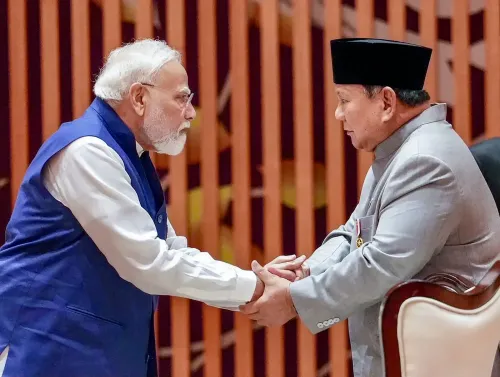
But they rarely resolve structural trust deficits — and both Kathmandu and Dhaka present precisely those deficits right now. The speculation around a Jaishankar visit to Nepal signals that New Delhi recognises the symbolic value of the personal touch, but the harder work of rebuilding political confidence will outlast any single summit. Worth watching: whether the outreach produces any joint statements or connectivity commitments, or remains a photo-op with a warm handshake and little follow-through.
NationPress
8 Oct 2026
Frequently Asked Questions
Why has India invited Bangladesh and Nepal to the BRICS Summit?
India has invited Bangladesh and Nepal to the outreach session of the 18th BRICS Summit in New Delhi because Bangladesh currently chairs BIMSTEC, a regional grouping of which Nepal is also a member — consistent with BRICS practice of inviting regional chairs. The invitations also serve as a diplomatic opening to reset bilateral ties with both neighbours.
What is the significance of the 18th BRICS Summit for South Asia?
The 18th BRICS Summit, hosted by India in New Delhi, offers South Asian nations a platform to deepen engagement with the Global South. The participation of Bangladeshi and Nepalese leaders could strengthen collective South Asian positioning on global trade, connectivity, and multilateral governance.
What is the current state of India's relations with Bangladesh and Nepal?
Relations with both neighbours are at a sensitive juncture. Bangladesh's current leadership has historically had a frosty relationship with India, while Nepal's new government — led by a party barely five years old — is still finding its footing. Analysts describe a bilateral reset as necessary but difficult under present circumstances.
Will External Affairs Minister Jaishankar visit Nepal before the BRICS Summit?
There is speculation, according to reports, that External Affairs Minister S. Jaishankar may visit Nepal to formally invite the Nepalese Prime Minister to the BRICS Summit in New Delhi. No official confirmation has been issued as of the time of reporting.
What is India's theme for its BRICS chairmanship?
India has chosen 'Building for Resilience, Innovation, Cooperation and Sustainability' as the theme for its BRICS chairmanship. The theme reflects New Delhi's stated commitment to multilateral cooperation and its advocacy for Global South interests amid growing global instability.