India plays 'inherently valuable' role in Southeast Asia, easing US-China dilemma: Report
Synopsis
India is quietly reshaping Southeast Asia's strategic calculus — not by picking sides, but by giving ASEAN nations more options. From BrahMos missile deals with the Philippines and Vietnam to a sovereignty-friendly Digital Public Infrastructure model, New Delhi is emerging as a credible third force in a region caught between Washington and Beijing.
Key Takeaways
India's engagement with ASEAN is helping member states manage the US-China rivalry by expanding available strategic options, according to a report in Indian Narrative .
Former diplomat Raghu Gururaj argues India's non-prescriptive approach aligns with ASEAN's preference for multi-alignment and non-bloc architectures.
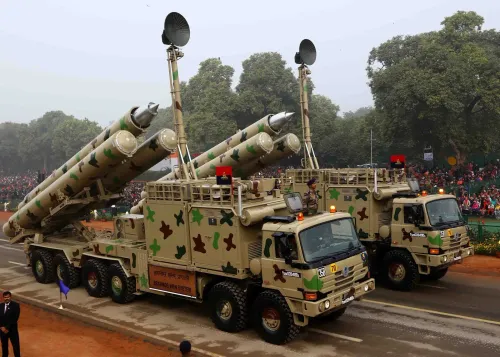
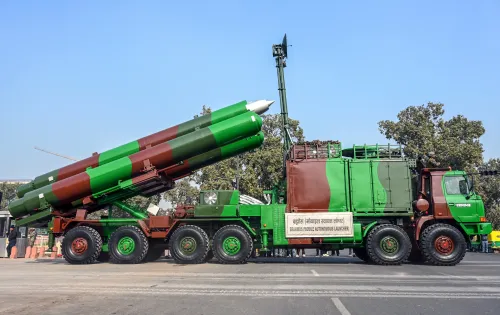
India has exported BrahMos supersonic cruise missiles to the Philippines ; Vietnam has reportedly concluded a similar deal and Indonesia is in final-stage negotiations.
India's Digital Public Infrastructure (DPI) offers ASEAN states a sovereignty-sensitive digital alternative to Chinese and Western platforms.
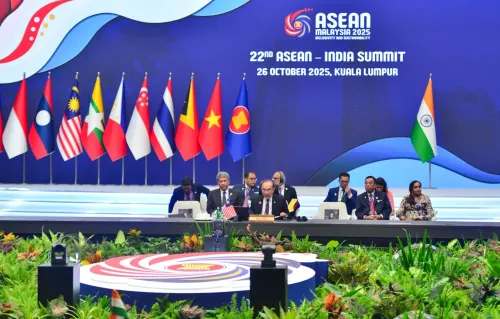
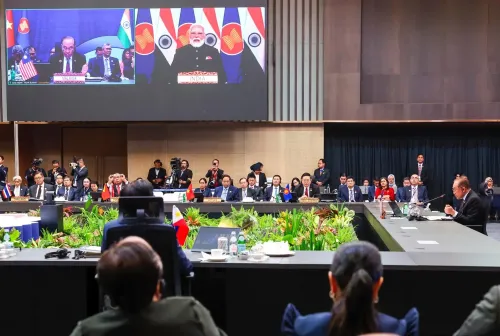
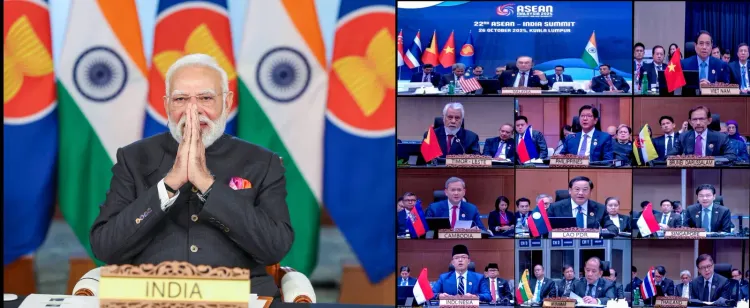
The 21st ASEAN-India Summit joint statement in October 2024 formally acknowledged DPI collaboration opportunities across the region.
India's growing engagement with the Association of Southeast Asian Nations (ASEAN) is helping member states navigate the intensifying US-China rivalry by broadening their strategic options, according to a detailed analysis published in Indian Narrative. The report argues that India's presence does not eliminate ASEAN's central geopolitical dilemma — but makes it meaningfully more manageable.
India as a Strategic Buffer for ASEAN
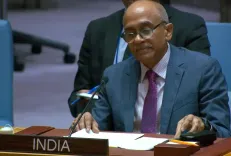
Former Indian diplomat Raghu Gururaj wrote that India's engagement increasingly aligns with ASEAN's preference for inclusive, non-bloc regional architectures. 'For ASEAN, the presence of a partner like India does not resolve its central dilemma, but it does make that dilemma more manageable. By expanding the range of available options, India helps reduce the pressure to choose between the United States and China,' Gururaj noted.
He further emphasised that India's relatively non-prescriptive approach allows it to engage Southeast Asia without generating the geopolitical tensions typically associated with major-power competition. This aligns with ASEAN's strategic culture, which prioritises equilibrium, consultation, and multi-alignment over rigid bloc formations.
India's Consistent Support for ASEAN Centrality
Unlike alliance-driven frameworks, India has consistently championed ASEAN centrality within the Indo-Pacific. New Delhi remains an active participant in the East Asia Summit, the ASEAN Regional Forum, and the ASEAN Defence Ministers' Meeting-Plus — multilateral platforms that reflect ASEAN's preference for consensus-based diplomacy over bilateral pressure.
This institutional commitment distinguishes India from both the United States and China, whose approaches are often perceived by ASEAN members as carrying implicit demands for alignment.
Defence Exports: India as a Credible Arms Supplier
A significant marker of India's evolving external security posture is the export of BrahMos supersonic cruise missiles to the Philippines. According to reports, Vietnam has concluded a similar agreement, while Indonesia is reportedly in the final stages of negotiations. Together, these developments signal the emergence of India as a credible defence supplier within Southeast Asia — a role it had not previously occupied at this scale.
This is notably the first time India has positioned itself as a meaningful arms exporter to the region, adding a hard-power dimension to what had largely been a soft-power and trade-driven relationship.
Digital Public Infrastructure: A Sovereignty-Sensitive Alternative
Beyond defence, India's Digital Public Infrastructure (DPI) model is gaining traction as a third-way digital option for ASEAN states wary of both Chinese platform dependency and Western big-tech dominance. Built around interoperability, lower implementation costs, and state ownership, India's DPI framework offers something neither Beijing nor Washington can fully replicate.
The 21st ASEAN-India Summit joint statement, issued in October 2024, formally acknowledged 'the opportunities for collaboration, with the mutual consent of ASEAN Member States and India, to utilise various kinds of platforms to promote DPI development across the region.'
The Broader Strategic Value
'India does not seek to dominate or define the region's trajectory. Instead, it operates as a complementary force, expanding options and reducing over-dependence on any single partner. In a system defined by hedging, such a role is inherently valuable,' Ambassador Gururaj concluded. As US-China competition intensifies, India's multi-alignment posture may prove to be its most durable strategic asset in Southeast Asia.
Point of View
But it also papers over a real limitation: India's economic footprint in Southeast Asia remains modest compared to China's trade dominance and the US security umbrella. BrahMos exports are a genuine inflection point, but a handful of defence deals do not yet constitute a systemic alternative. The DPI pitch is more structurally interesting — if India can demonstrate scale and reliability, it could carve out a durable niche that neither Beijing nor Washington can easily displace. The real test is execution, not positioning.
NationPress
19 Sept 2026
Frequently Asked Questions
What role is India playing in Southeast Asia according to the report?
India is acting as a strategic buffer for ASEAN nations, helping them manage the pressure of choosing between the United States and China by expanding available options. Former diplomat Raghu Gururaj describes this as an 'inherently valuable' role in a region defined by hedging.
Why does India's approach appeal to ASEAN countries?
India's non-prescriptive, non-bloc approach aligns with ASEAN's strategic culture of multi-alignment, consultation, and equilibrium. Unlike the US or China, India does not pressure member states to formally align, making it a less disruptive partner.
What is the significance of India's BrahMos missile exports to Southeast Asia?
India's export of BrahMos supersonic cruise missiles to the Philippines — with Vietnam reportedly having concluded a similar deal and Indonesia in final-stage negotiations — marks India's emergence as a credible defence supplier in Southeast Asia, adding a hard-power dimension to its regional engagement.
How does India's Digital Public Infrastructure benefit ASEAN nations?
India's DPI model offers interoperability, lower implementation costs, and state ownership — making it a sovereignty-sensitive alternative to Chinese platform dependency and Western big-tech dominance. The 21st ASEAN-India Summit in October 2024 formally acknowledged opportunities for DPI collaboration across the region.
What is ASEAN's central strategic dilemma and how does India address it?
ASEAN's central dilemma is the pressure to align with either the United States or China amid their intensifying rivalry. India does not resolve this dilemma but makes it more manageable by offering a third set of options, reducing over-dependence on any single major power.