Will Iran Execute a 26-Year-Old Protester Amidst Rising Tensions?
Synopsis
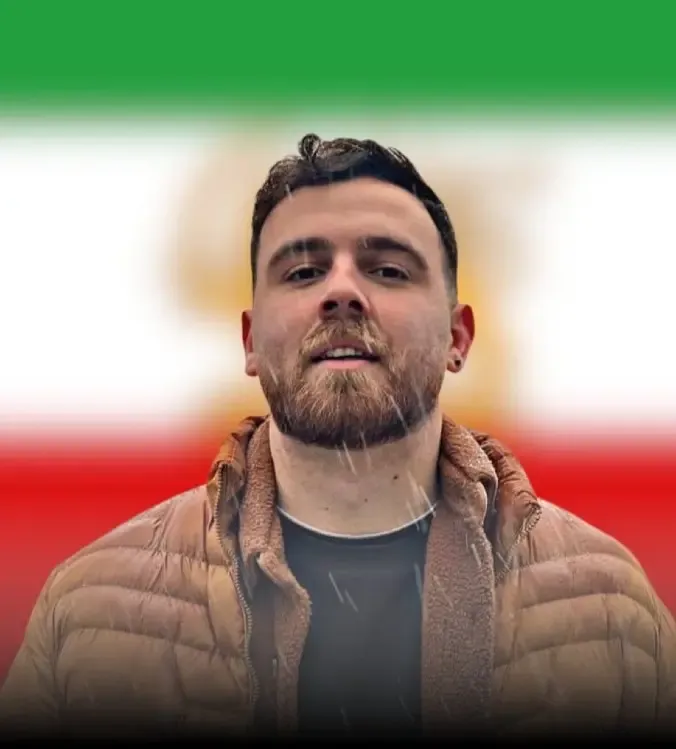
As Iran prepares to execute a young protester amidst intense public outcry, concerns about human rights abuses soar. The execution of Erfan Soltani, detained during anti-Khamenei protests, highlights the regime's aggressive stance on dissent. Families face repression while protesters risk their lives in a fight against a repressive regime.
Key Takeaways
Erfan Soltani faces execution amid protests in Iran.
His case highlights the regime's harsh crackdown on dissent.
International alarms are raised over Iran's use of capital punishment .
Protests have escalated due to economic issues and political repression.
Severe internet restrictions hinder communication and organization.
New Delhi, Jan 14 (NationPress) A 26-year-old Iranian protester, detained during widespread anti-Khamenei demonstrations, is slated for execution this Wednesday. This case has ignited international concern and heightened alarm regarding Iran’s use of capital punishment as a means to quash dissent.
Erfan Soltani was apprehended on January 8 for his participation in protests against Supreme Leader Ayatollah Ali Khamenei. He is facing execution after being charged with “Moharebeh”, or enmity against God, as reported by various media outlets.
If executed, Soltani’s hanging would be the first directly tied to the ongoing wave of anti-Khamenei protests.
Following his arrest, Soltani’s family was left in the dark regarding his status. When they were finally contacted by Iranian security forces, they were not informed of any formal charges or court hearings.
Instead, they learned that Soltani had already been handed a death sentence. Authorities permitted the family just a brief 10-minute meeting with him to bid farewell.
Family members, described as scared and traumatized, have reportedly been cautioned against speaking publicly about the situation. Iranian authorities allegedly threatened that further family members would be detained if information was shared with the media or activists.
The execution order for Soltani, issued within a week of his arrest, has drawn intense criticism from international legal scholars and human rights organizations.
They caution that Iran may be resorting to what they term “field executions”, which are summary killings conducted without due process, as a strategy to intimidate protesters and suppress opposition. Soltani’s case exemplifies the regime’s increasingly severe response to dissent.
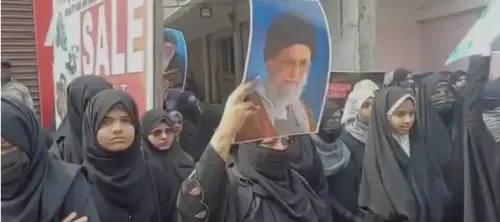
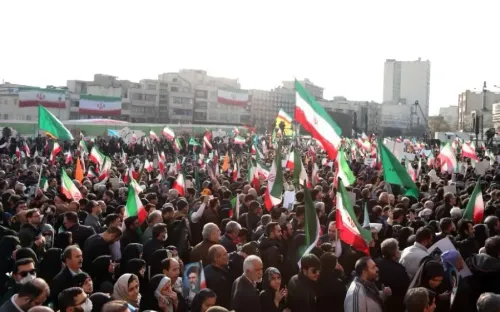
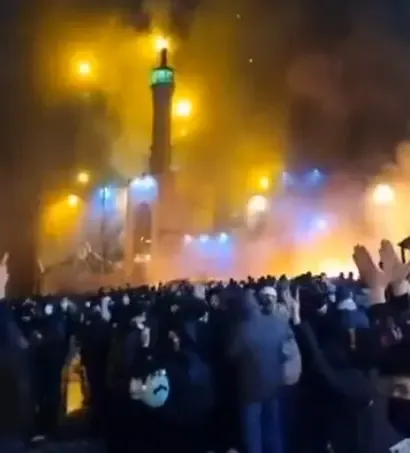
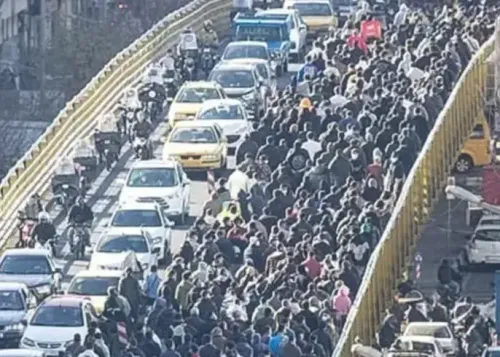
The protests, now in their 20th day, initially began due to soaring inflation and the rapid devaluation of Iran’s currency but have grown into widespread demonstrations challenging the Supreme Leader’s authority. Unrest has been reported in over 280 locations across the nation.
According to activist organizations, the regime's crackdown has been brutal. At least 2,000 individuals have reportedly lost their lives, while approximately 20,000 have been arrested. Internet services have been suspended for over five days, severely limiting communication with the outside world.
Activists report that some Iranians have attempted to use Starlink satellite internet to navigate around restrictions, but authorities have allegedly jammed signals with military-grade devices and deployed militias to raid rooftops, seize terminals, and punish users.
Point of View
This situation underscores the ongoing struggle for freedom in Iran. The execution of a young protester is a grim reminder of the lengths to which the regime will go to maintain control. While we stand in solidarity with the people of Iran, we must also advocate for a fair and just treatment of dissenters.
NationPress
24 Sept 2026
Frequently Asked Questions
What charges was Erfan Soltani facing?
Erfan Soltani was charged with 'Moharebeh,' which translates to enmity against God.
What has been the response of human rights organizations?
Human rights organizations have condemned the execution order, warning of Iran's increasing use of summary executions to suppress dissent.
How has the Iranian regime responded to the protests?
The Iranian regime has launched a severe crackdown on protests, leading to thousands of deaths and arrests.
What are 'field executions'?
'Field executions' refer to summary killings executed without due process, often used as a means to instill fear among the population.
How many locations in Iran are experiencing unrest?
Unrest has been reported in more than 280 locations throughout Iran.