Iran-Oman talks on single Hormuz corridor could reshape global energy shipping
Synopsis
Iran and Oman are quietly negotiating a single unified shipping corridor through the Strait of Hormuz — and Washington is reportedly not at the table. With the strait mined and largely closed since February, any deal could ease a global energy chokepoint, but Tehran's sidelining of the US and an unresolved fee question make this far from a done deal.
Key Takeaways
Iran and Oman are in talks to replace existing Hormuz shipping lanes with a single two-way intermediate corridor , confirmed on 4 August .
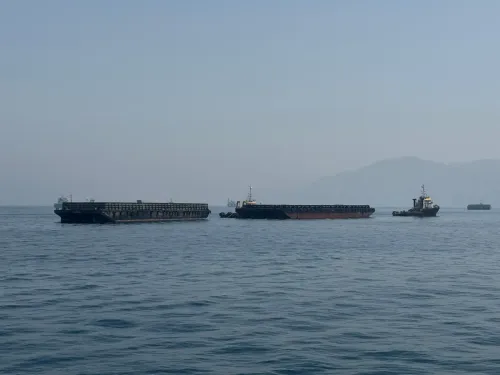
The Strait of Hormuz has been largely closed since the February Israel-US strike on Iran , with mines and ship attacks disrupting traffic.
The IMO has advised vessels to avoid the existing Traffic Separation Scheme (TSS) due to reported mines.
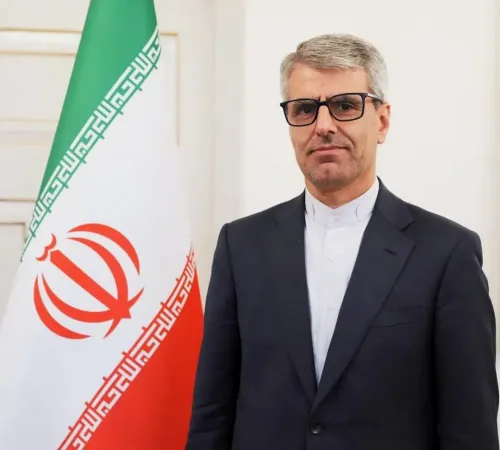
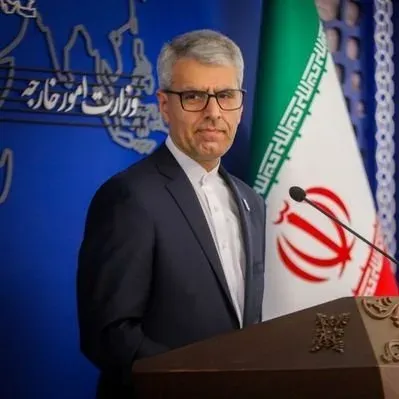
Tehran's Foreign Ministry Spokesperson Esmaeil Baqaei denied US involvement, contradicting claims by President Donald Trump .
Oman's foreign ministry had not publicly confirmed or denied the talks as of 5 August .
The question of transit fees for ships using the Iranian side of the corridor remains unresolved.
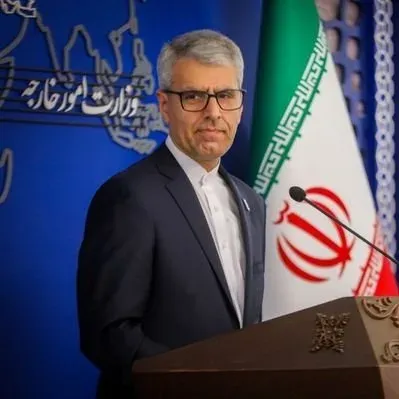
Iran is in active negotiations with Oman to establish a 'single two-way route' through the Strait of Hormuz, replacing the existing multi-lane Traffic Separation Scheme (TSS) with a unified intermediate corridor, according to Tehran's Foreign Ministry Spokesperson Esmaeil Baqaei. The talks, confirmed at a briefing in Tehran on Monday, 4 August, mark the first structured diplomatic effort to reopen the strategic waterway since it was effectively closed following the February Israel-US strike on Iran.
What the Proposed Corridor Involves
According to Baqaei, the negotiations have centred on replacing the strait's separate northern and southern shipping lanes with a single intermediate corridor designed to accommodate the security and sovereignty interests of both coastal states. Under the arrangement, vessels heading into the Persian Gulf would travel along the Iranian side, while outbound ships would use the Omani side — effectively mirroring a right-hand traffic highway model, according to media reports citing unnamed officials.
The proposed corridor would function as an interim measure until Iran and Oman agree on a permanent replacement for the existing International Traffic Separation Scheme (TSS), originally adopted by the UN's International Maritime Organisation (IMO) in 1968 at the proposal of both nations. The current TSS designates two-mile-wide lanes in each direction with a two-mile separation strip between them.
Why the Strait Remains Closed
The Strait of Hormuz has been largely closed since the February 2025 Israel-US attack on Iran, with only sporadic ship movements since. Tehran has mined the strait and attacked vessels attempting to pass through, while the US has blockaded Iranian ports and fired on ships defying its directives. The IMO has advised ships to avoid the TSS altogether due to the reported presence of mines, effectively halting one of the world's most critical energy shipping arteries.
Notably, the US Navy previously attempted to escort ships along the Omani side of the strait, but those vessels came under attack and the effort was discontinued.
Washington Sidelined, Tehran Says
The talks carry significant geopolitical weight beyond their maritime dimension. Baqaei stated, citing Tasnim news wire, that no other country was involved in the Iran-Oman negotiations — a direct contradiction of claims by US President Donald Trump, who had said talks were underway with Iran on reopening the strait. The spokesperson explicitly denied US involvement.
Baqaei also said the earlier southern route through Omani waters that Washington attempted to operate 'contradicted' a June Memorandum of Understanding between the US and Iran, and raised environmental and national security concerns for Tehran.
The Fee Question and International Law
One contentious element hovering over the talks is the question of transit fees. Media reports have suggested that under the proposed arrangement, Iran could levy a service fee on ships transiting its side of the corridor — framed in a way that avoids being classified as a toll, which would conflict with international maritime law and which Trump has publicly and vehemently opposed. Baqaei reportedly sidestepped a direct question on fees at his briefing, leaving the issue unresolved.
Oman's Silence and What Comes Next
Oman's foreign ministry had neither confirmed nor denied the negotiations as of early Tuesday, 5 August. The Gulf state, which sits on the southern shore of the strait and has historically served as a back-channel between Tehran and Western powers, has not made any public statement. If an agreement is reached, it would deliver significant relief to global energy markets, which have been severely strained by the prolonged blockage of a waterway through which a substantial share of the world's oil and gas exports typically flows.
Point of View
Tehran is asserting sovereign control over the strait on its own terms — and potentially locking in a fee mechanism that sidesteps international law without technically violating it. Oman's silence is itself telling: Muscat has long played the quiet broker, and its non-denial suggests the talks are real. The deeper question is whether a bilateral corridor agreement can hold without IMO endorsement or US acquiescence, given that American naval presence in the region remains a live variable. If the deal collapses on fees or Washington's exclusion, the strait stays closed — and global energy markets stay hostage to a bilateral standoff.
NationPress
4 Aug 2026
Frequently Asked Questions
What is the proposed Iran-Oman single corridor through the Strait of Hormuz?
It is a proposed interim shipping arrangement that would replace the strait's existing multi-lane Traffic Separation Scheme with a single two-way corridor, with inbound ships travelling along the Iranian side and outbound ships along the Omani side. The plan was confirmed by Iran's Foreign Ministry Spokesperson Esmaeil Baqaei on 4 August.
Why is the Strait of Hormuz currently closed?
The strait has been largely closed since the February Israel-US strike on Iran. Tehran subsequently mined the waterway and attacked ships attempting to pass through, while the US blockaded Iranian ports. The IMO has advised vessels to avoid the area due to reported mines.
Is the United States involved in the Iran-Oman Hormuz talks?
Iran says no. Spokesperson Esmaeil Baqaei stated that no third country is involved in the bilateral negotiations, directly contradicting US President Donald Trump's claim that talks with Iran on reopening the strait were underway.
What is the Traffic Separation Scheme and why does it matter?
The Traffic Separation Scheme (TSS) is an IMO-adopted framework, originally proposed by Iran and Oman in 1968, that designates two-mile-wide shipping lanes in each direction through the Strait of Hormuz with a two-mile separation strip. It is currently unusable due to mines, making the proposed corridor its interim replacement.
Could Iran charge fees for ships passing through the new corridor?
Media reports suggest Iran could levy a service fee on ships transiting its side of the corridor, structured to avoid being classified as a toll under international law. Iran's spokesperson did not directly address the fee question at his briefing, leaving the issue open.