Iran IRGC strikes Togo-flagged tanker 'Trend' in Strait of Hormuz
Synopsis
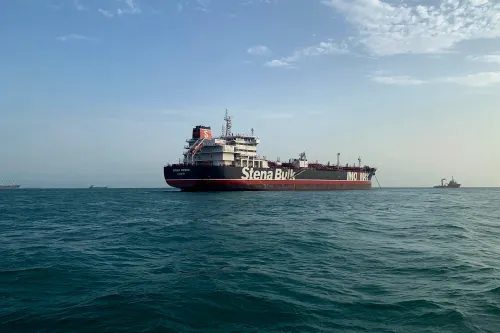
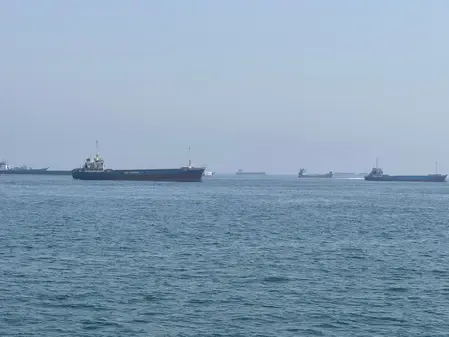
Iran's IRGC has struck two oil tankers in the Strait of Hormuz — the Togo-flagged 'Trend' and the super-tanker 'EL GAIA' — as Tehran enforces a blockade barring vessels linked to the US and Israel. With the PGSA now warning global insurers to cut services to 'violating' ships, the crisis is no longer just military; it is rapidly becoming a global shipping and energy supply emergency.
Key Takeaways
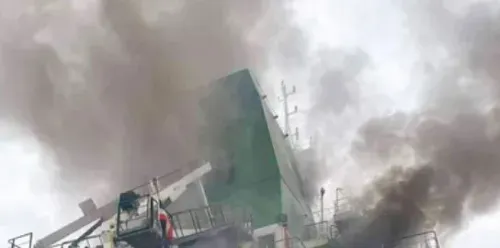
Iran's IRGC navy struck Togo-flagged tanker 'Trend' in the Strait of Hormuz on the night of 17-18 September 2026 , causing a fire.
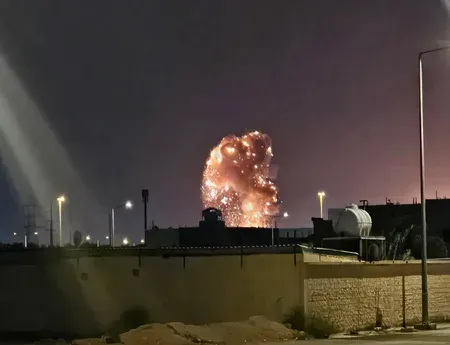
A second tanker, 'EL GAIA' , exploded and caught fire after reportedly hitting naval mines in the strait's southern route.
Iran has barred passage of vessels affiliated with Israel and the United States since 28 February , following strikes on Iranian territory.
The IRGC warned that 'illegal' passage will lead to 'destruction' and reiterated full control of the waterway.
Iran's Persian Gulf Strait Authority (PGSA) warned insurers, P&I clubs, and classification societies against servicing vessels on its 'violating' list.
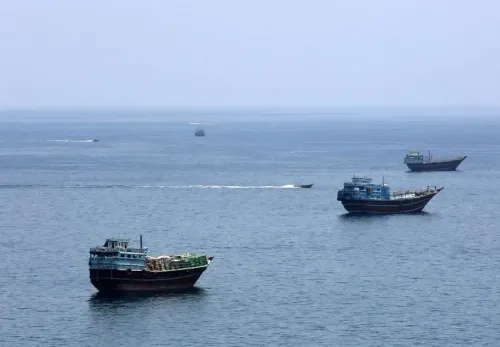
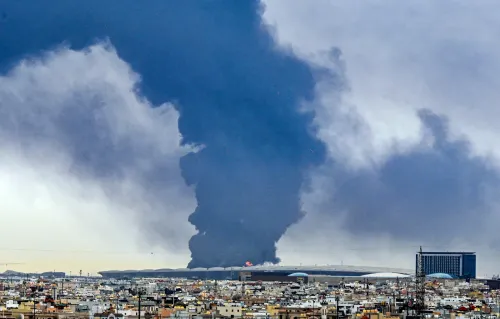
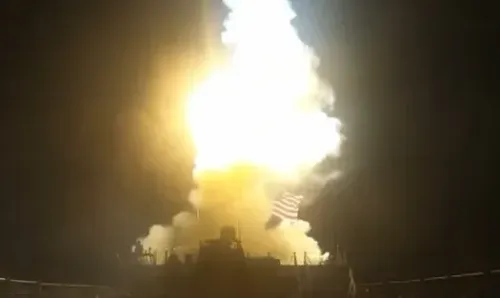
Iran's Islamic Revolutionary Guard Corps (IRGC) navy confirmed early Friday, 18 September 2026, that a Togo-flagged oil tanker named 'Trend' was struck in the Strait of Hormuz the previous night, causing a fire that brought the vessel to a halt. The IRGC described the tanker as 'violating' for attempting what it termed 'illegal' passage through the strategic waterway.
What Happened
According to a statement published on the IRGC's official outlet Sepah News, the tanker 'Trend' caught fire after being struck and was subsequently stopped. The IRGC navy alleged the vessel had been 'deceived and provoked' by the US Army into attempting the crossing, and issued a stark warning that any further 'illegal' passage would lead to nothing but 'destruction.'
In a separate incident, the IRGC also confirmed that a super oil tanker identified as 'EL GAIA' exploded and caught fire after reportedly hitting naval mines while attempting to cross via what the IRGC described as the 'forbidden' southern route of the strait. Efforts to contain the blaze were reportedly futile, with the entire vessel engulfed in flames.
Iran's Wider Blockade Posture
The incidents are part of an escalating maritime confrontation that began on 28 February, when Iran tightened its grip on the Strait of Hormuz by barring safe passage to vessels belonging to or affiliated with Israel and the United States, following what Tehran described as joint strikes on Iranian territory. The IRGC navy reiterated on Friday that its forces remain 'in control of the Strait of Hormuz with strength' and will not permit passage by any 'aggressor.'
Insurance Warning Issued
Iran's Persian Gulf Strait Authority (PGSA), the body overseeing maritime traffic in the strait, issued a formal warning on social media platform X to insurance companies, protection and indemnity (P&I) clubs, and classification societies, directing them to 'refrain from providing services' to vessels on its updated list of 'violating' ships. The PGSA cautioned that non-compliance could expose these institutions to 'consequences arising from dealing with them.'
Why It Matters
The Strait of Hormuz is one of the world's most critical oil chokepoints, through which roughly 20% of global crude oil trade passes daily. A sustained Iranian blockade or interdiction campaign risks significant disruption to global energy supplies, upward pressure on crude prices, and heightened confrontation with US Naval forces present in the region. This is not an isolated incident — the two tanker strikes within a short span signal an intensifying enforcement posture by Tehran. The IRGC's warnings to the international insurance and shipping community, if heeded, could significantly raise the operational cost of transiting the strait.
Point of View
Not rhetorical. The PGSA's warning to global insurers is the more consequential move: if P&I clubs withdraw cover for Hormuz transits, shipping companies face a commercial embargo that Iran does not even need to enforce militarily. What is missing from most coverage is the precedent risk — the last time Iran systematically targeted tanker insurance infrastructure was 2019, and global premiums spiked sharply. This time, with two vessels already burning, the chilling effect on shipping could be faster and deeper.
NationPress
18 Sept 2026
Frequently Asked Questions
What happened to the oil tanker 'Trend' in the Strait of Hormuz?
The Togo-flagged oil tanker 'Trend' was struck by Iran's IRGC navy on the night of 17-18 September 2026 while attempting to cross the Strait of Hormuz. The vessel caught fire following the strike and was brought to a halt, according to a statement on IRGC's official outlet Sepah News.
Why is Iran striking oil tankers in the Strait of Hormuz?
Iran has been enforcing a blockade barring vessels affiliated with Israel and the United States since 28 February 2026, following what Tehran described as joint US-Israeli strikes on Iranian territory. The IRGC has designated certain routes as 'illegal' and warns that unauthorised passage will be met with force.
What is the 'EL GAIA' tanker incident?
The IRGC reported that super oil tanker 'EL GAIA' exploded and caught fire after hitting naval mines while attempting to use the 'forbidden' southern route through the Strait of Hormuz. Efforts to contain the fire were reportedly unsuccessful, and the entire vessel was engulfed in flames.
What warning did Iran's PGSA issue to insurance companies?
Iran's Persian Gulf Strait Authority (PGSA) posted on X that insurance companies, P&I clubs, and classification societies must refrain from providing services to vessels on its updated list of 'violating' ships or face consequences. This warning effectively threatens the global maritime insurance framework for Hormuz transits.
How significant is the Strait of Hormuz to global oil trade?
The Strait of Hormuz is one of the world's most critical oil chokepoints, with roughly 20% of global crude oil trade passing through it daily. Any sustained disruption to navigation there can trigger immediate pressure on global energy prices and supply chains.