Iran oil exports to resume under US-Iran deal, 1.5 mn barrels daily
Synopsis
The Trump administration has confirmed Iran can resume selling oil internationally as part of an emerging US-Iran diplomatic framework — before a final nuclear agreement is even signed. With exports potentially topping 1.5 million barrels per day, the move could reshape global crude markets and reignite a sharp debate in Washington over whether economic concessions should lead or follow a deal.
Key Takeaways
The Trump administration confirmed on 21 June that Iran will resume selling oil on international markets under an emerging US-Iran diplomatic framework.
Energy Secretary Chris Wright said Iranian exports are expected to exceed 1.5 million barrels per day , matching pre-conflict levels.
Oil and gas flows through the Strait of Hormuz have already returned to normal, according to Wright.
Former National Security Adviser Susan Rice called the concessions a 'jaw-dropping, horrific surrender,' arguing benefits were granted before a final deal was signed.
India , a major crude importer and historically a buyer of Iranian oil, is among the nations closely watching the energy market implications.
The Trump administration confirmed on Sunday, 21 June that Iran will be permitted to resume selling crude oil on international markets as part of an emerging diplomatic framework between Washington and Tehran. The development carries significant implications for global energy prices and major oil-importing nations, including India.
What the US Energy Secretary Said
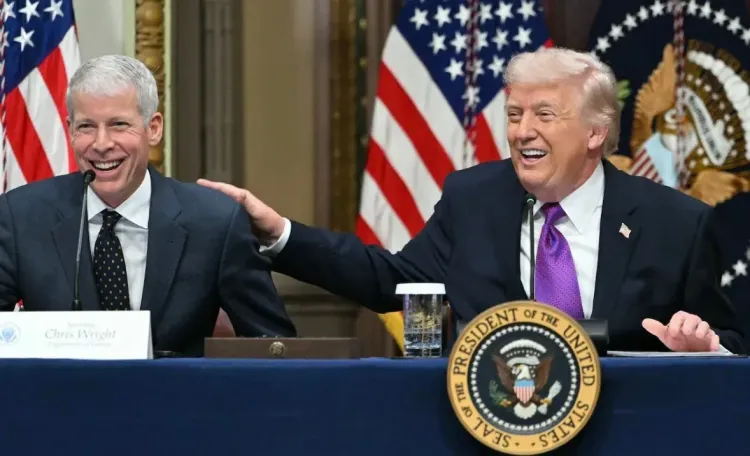
Energy Secretary Chris Wright, speaking on ABC's 'This Week', described Iran's return to energy markets as one of the immediate outcomes of the ongoing negotiations, even as talks over Tehran's nuclear programme continue. Wright noted that Iranian oil exports had fallen sharply during the first Trump term but rose significantly under the Biden administration.
'Oh, Iranians have been selling oil most of the last 47 years,' Wright said, adding: 'That's all they're getting, is the ability to yet sell their oil again.'
According to Wright, Iran is expected to return to export levels of more than 1.5 million barrels per day — roughly matching volumes seen before the latest conflict. He also underscored Washington's leverage in the talks, saying: 'We proved to them for two months we could cease them from selling a drop of oil.'
Strait of Hormuz Flows Back to Normal
The administration also sought to reassure energy markets following weeks of uncertainty tied to fighting in the Gulf and disruptions around the Strait of Hormuz. Wright said oil and natural gas flows through the strategic waterway had already returned to normal levels, and that increased American production, higher output from Venezuela, and cooperation among major producers would support further declines in energy prices.
Critics Question the Concessions
The prospect of renewed Iranian oil exports has emerged as one of the most contentious elements of the emerging agreement. Former Obama administration National Security Adviser Susan Rice argued that Tehran was receiving major economic benefits before agreeing to a comprehensive settlement.
'As the secretary just acknowledged, Iran, as of the signing of the agreement, so on Thursday, is now able to sell all of its oil and all of its oil products on the market unimpeded,' Rice said. She also criticised the administration for allowing Iran to access the international banking system and gain access to frozen assets, calling the arrangement a 'jaw-dropping, horrific surrender.'
Rice argued that key concessions should have been tied to a final agreement rather than granted at the outset — a position that reflects a broader Washington debate over whether economic incentives should precede or follow stricter limits on Iran's nuclear and military programmes.
What This Means for India and Global Markets
India, as one of the world's largest crude oil importers, stands to benefit from the prospect of increased Iranian supply easing global price pressures. Historically, India was among the top buyers of Iranian crude before US sanctions curtailed those flows. A return to normalised Iranian exports at 1.5 million barrels per day or above could offer New Delhi greater supply diversification and potential price advantages, depending on the final terms of any sanctions relief framework.
The full contours of the US-Iran agreement remain under negotiation, and how swiftly Iranian barrels re-enter the market will depend on the pace of diplomatic finalisation.
Point of View
Not the opening bid. Susan Rice's 'surrender' framing will resonate with hawks, but the counterargument is that front-loading economic incentives may be the only way to keep Tehran at the table. For India, the calculus is simpler: cheaper and more diversified crude is a fiscal win. The real test is whether Washington can convert this interim concession into durable nuclear limits — or whether Tehran pockets the oil revenues and stalls on the harder commitments.
NationPress
20 Sept 2026
Frequently Asked Questions
What is the US-Iran oil deal announced on 21 June?
The Trump administration confirmed that Iran will be permitted to resume selling crude oil on international markets as part of an emerging diplomatic framework between Washington and Tehran. Energy Secretary Chris Wright said Iranian exports are expected to return to more than 1.5 million barrels per day, roughly matching pre-conflict levels.
Why is Iran being allowed to sell oil before a final nuclear deal is signed?
The Trump administration has framed the oil sales as an immediate outcome of ongoing negotiations, even as discussions over Tehran's nuclear programme continue. Critics, including former National Security Adviser Susan Rice, argue that these economic concessions should have been withheld until a comprehensive final agreement was reached.
How does this affect India?
India, one of the world's largest crude oil importers and historically a significant buyer of Iranian crude, could benefit from increased global supply and potential price relief. The resumption of Iranian exports at scale may offer India greater supply diversification, though the final sanctions relief framework will determine how quickly Indian buyers can access Iranian barrels.
Has the Strait of Hormuz situation stabilised?
Yes, according to Energy Secretary Chris Wright, oil and natural gas flows through the Strait of Hormuz have already returned to normal levels following weeks of disruption linked to conflict in the Gulf region.
What are critics saying about the concessions given to Iran?
Former Obama-era National Security Adviser Susan Rice called the arrangement a 'jaw-dropping, horrific surrender,' arguing that Iran gained access to international oil markets, the global banking system, and frozen assets before signing a comprehensive settlement. She said these benefits should have been tied to final agreement terms, not granted at the outset.