Iran-Oman Hormuz Strait deal near: single shipping route through Iran's waters
Synopsis
Iran and Oman are close to a deal that would funnel all Hormuz Strait commercial traffic through a single corridor in Iranian territorial waters — but Tehran is making clear this is not a full reopening, and any progress hinges on the US visibly honouring a June peace MoU. With roughly a fifth of global oil trade at stake, the fine print matters enormously.
Key Takeaways
Iran and Oman have reached an in-principle agreement on almost all issues related to new Strait of Hormuz shipping arrangements, following over three weeks of consultations.
The proposed deal would replace temporary northern and southern routes with a single route through Iran's territorial waters for two to four months .
Iranian Deputy Foreign Minister Kazem Gharibabadi clarified the agreement does not mean the strait will be fully reopened.
Iran's negotiating team has linked any reopening to tangible US compliance with the June peace MoU.
Iran imposed restrictions on the strait on 28 February , barring vessels affiliated with Israel and the US following joint strikes on Iranian territory.
The US military conducted multiple strike waves against Iranian targets; Iran retaliated with missile and drone attacks on US bases in the region.
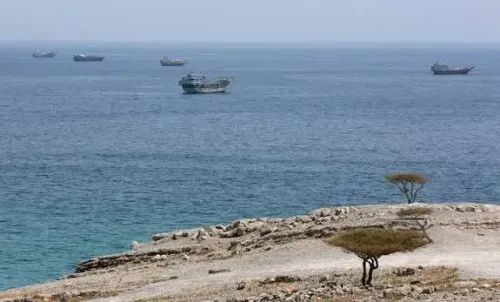
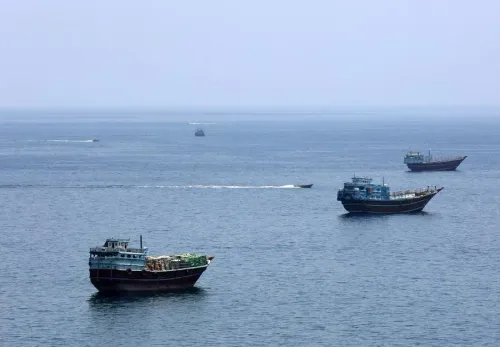
Iran and Oman are on the verge of finalising an agreement on new commercial shipping arrangements through the Strait of Hormuz, which would consolidate the current temporary northern and southern routes into a single corridor passing through Iran's territorial waters for a period of two to four months, a senior Iranian diplomat said on 6 August.
What the Agreement Covers
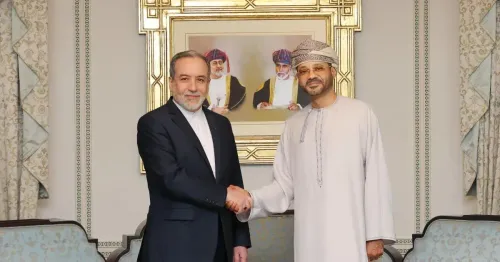
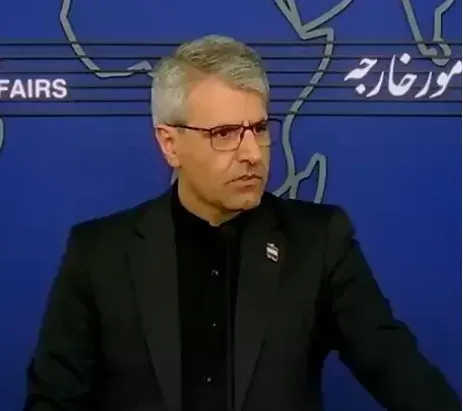
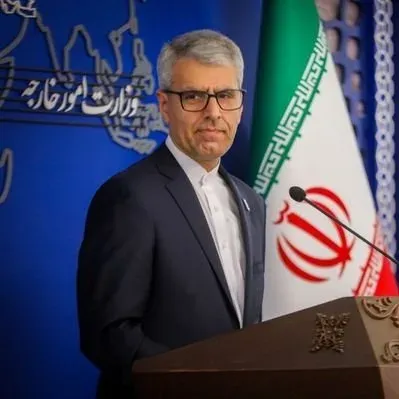
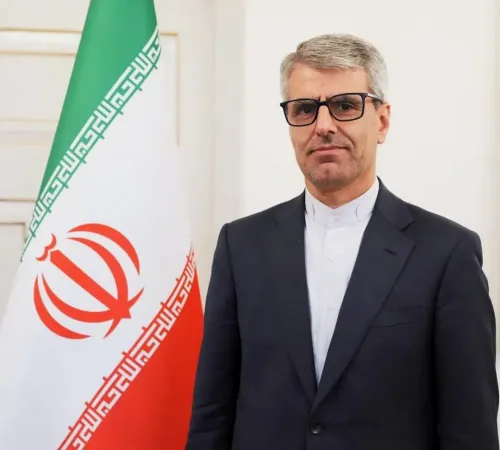
Iranian Deputy Foreign Minister for Legal and International Affairs Kazem Gharibabadi said the two sides had reached an in-principle agreement on nearly all outstanding issues, including the entry and exit route map, following more than three weeks of bilateral consultations. Gharibabadi stressed, however, that the potential deal does not mean the strait would be reopened fully — a key distinction that signals continued Iranian leverage over one of the world's most critical maritime chokepoints.
Iran's Stance on US Negotiations
Gharibabadi also pushed back against US claims of ongoing negotiations with Tehran, stating that Iran had received messages from Washington expressing readiness to return to commitments under a peace memorandum of understanding (MoU) signed between the two sides in June. He did not characterise those messages as constituting formal negotiations.
An informed source close to the Iranian negotiating team told the semi-official Fars news agency that any reopening of the strait remains contingent on tangible US implementation of its MoU commitments. The source added that the US Treasury Department's removal of sanctions on an Iraqi airline on Wednesday was unrelated to the Iran-US MoU — a clarification apparently aimed at dampening speculation that Washington was making concessions.
How the Crisis Escalated
The current restrictions on the Strait of Hormuz date to 28 February, when Iran tightened its control over the waterway, barring safe passage to vessels belonging to or affiliated with Israel and the United States, following what Tehran described as joint strikes by the two countries on Iranian territory.
The US military subsequently launched multiple waves of strikes against Iranian targets, stating they were aimed at degrading Iran's ability to threaten commercial shipping. Iran responded with missile and drone attacks targeting US military bases and facilities across the region. The tit-for-tat escalation has kept global energy markets on edge, with roughly 20% of the world's traded oil transiting the strait.
What Comes Next
The Oman-mediated framework, if finalised, would mark the first formal step toward partial normalisation of Hormuz traffic since the crisis began. However, the conditionality attached — particularly Tehran's insistence on verifiable US compliance with the June MoU — means the agreement could stall if either side perceives a breach. Shipping industry stakeholders and energy markets will be watching closely for any formal announcement from Muscat or Tehran in the days ahead.
Point of View
And the durability of any Hormuz arrangement will depend as much on Oman's continued neutrality as on Iranian or American goodwill. With global oil markets already pricing in a risk premium, even a partial, time-bound route agreement could ease freight costs — but the two-to-four-month window is deliberately short, keeping Iran's leverage intact.
NationPress
6 Aug 2026
Frequently Asked Questions
What is the Iran-Oman Hormuz Strait shipping agreement?
Iran and Oman are finalising a deal to replace the current temporary northern and southern Hormuz shipping routes with a single corridor passing through Iran's territorial waters for two to four months. The agreement covers the entry and exit route map and was reached after more than three weeks of consultations, according to Iranian Deputy Foreign Minister Kazem Gharibabadi.
Does this mean the Strait of Hormuz will fully reopen?
No. Gharibabadi explicitly stated that the potential agreement does not mean the strait will be reopened completely. Iran retains control over vessel access, particularly for ships affiliated with Israel and the United States.
Why did Iran restrict the Strait of Hormuz in the first place?
Iran tightened control over the strait on 28 February, barring safe passage to vessels belonging to or affiliated with Israel and the United States, following what Tehran described as joint strikes by the two countries on Iranian territory. The US said its subsequent military strikes were aimed at degrading Iran's ability to threaten commercial shipping.
What role does the Iran-US MoU play in the Hormuz situation?
A peace MoU was signed between Iran and the US in June. Iran's negotiating team has said that any reopening of the strait is contingent on tangible US implementation of its commitments under that agreement. Washington has reportedly sent messages to Tehran expressing readiness to return to those commitments.
Who is mediating between Iran and the United States over the Hormuz crisis?
Oman is playing a central mediating role, serving as the channel through which the Iran-Oman shipping framework is being negotiated. Oman has historically acted as a back-channel between Tehran and Washington during periods of heightened tension.