Iran reviewing US response to seven-day Strait of Hormuz ceasefire plan
Synopsis
Iran is formally reviewing Washington's response to its seven-day plan to halt fighting and reopen the Strait of Hormuz — a proposal floated at the UN General Assembly after a June MoU on ending the conflict expired without a deal. Deputy FM Gharibabadi's confirmation that the US has responded through mediators is the clearest signal yet that back-channel diplomacy remains alive, even as Tehran says it is simultaneously preparing for 'any other scenario.'
Key Takeaways
Iran's Deputy Foreign Minister Kazem Gharibabadi confirmed on 5 October 2026 that Tehran is reviewing US views on a seven-day ceasefire and Strait of Hormuz plan.
Iranian Foreign Minister Seyed Abbas Araghchi presented the seven-day plan to the US on 22 September 2026 on the sidelines of the UN General Assembly in New York .
A joint US-Israel strike on Tehran on 28 February 2026 triggered the conflict; a ceasefire followed on 8 April 2026 .
An Iran-US MoU signed on 18 June 2026 mandated final-deal talks within 60 days , but the 17 August 2026 deadline passed without agreement.
Iran says it is simultaneously preparing for alternative scenarios if diplomacy fails.
Iran is currently examining the United States' response to Tehran's proposed seven-day plan to halt hostilities and reopen the Strait of Hormuz, a senior Iranian diplomat confirmed on Sunday, 5 October 2026. The development marks a cautious but notable step in an already fragile diplomatic process that has repeatedly stalled since a June ceasefire memorandum.
What Iran's Diplomat Said
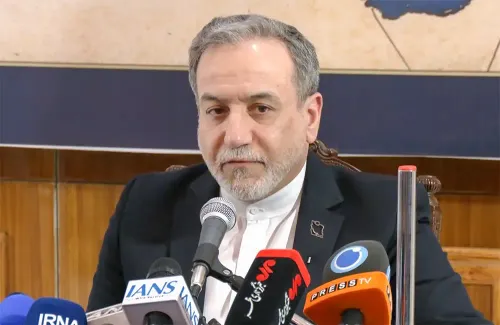
Kazem Gharibabadi, Iran's Deputy Foreign Minister for Legal and International Affairs, told reporters in Tehran that Washington had submitted its positions through mediators. 'The US views are currently being reviewed inside the country through the appropriate channels,' Gharibabadi said, adding that once Iran's final stance is ready, 'the necessary action will be taken through appropriate channels.'
He also noted that Iran is simultaneously preparing for alternative scenarios, signalling that diplomatic engagement does not preclude a harder posture if talks collapse.
The Seven-Day Plan: Origins and Stakes
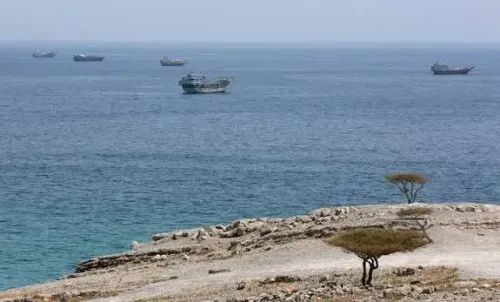
The proposal was formally conveyed by Iranian Foreign Minister Seyed Abbas Araghchi to the United States on 22 September 2026 — on the sidelines of the 81st session of the United Nations General Assembly in New York — through third-party mediators. The plan calls for a cessation of hostilities and the reopening of the Strait of Hormuz, a waterway through which roughly 20% of global oil supplies transit.
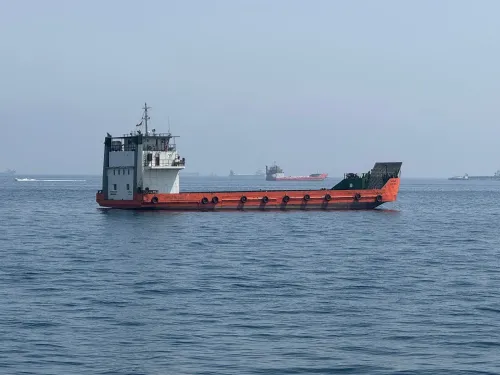
Closure of the strait since the conflict's escalation has had significant knock-on effects for global energy markets, making any diplomatic movement on Hormuz closely watched by governments and commodity traders alike.
Background: From Joint Strikes to a Stalled MoU
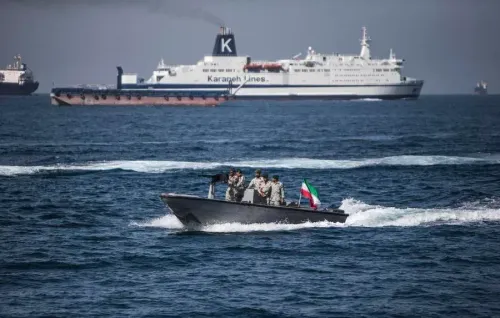
The current standoff has its roots in escalating military action. On 28 February 2026, Israel and the United States launched joint strikes on Tehran and other Iranian cities. Iran responded with waves of missile and drone attacks targeting Israeli positions and US bases and assets across the region, while simultaneously tightening its hold on the Strait of Hormuz.
A ceasefire was reached on 8 April 2026. Subsequently, on 18 June 2026, Iran and the United States signed a memorandum of understanding (MoU) committing both sides to negotiate a comprehensive settlement. Talks were mandated to conclude within 60 days — a deadline that fell on 17 August 2026. That window closed without sufficient progress, as tensions continued to mount on multiple fronts.
Where Talks Stand Now
The seven-day ceasefire proposal appears to be Tehran's attempt to reset the process after the MoU's deadline lapsed. By routing the offer through mediators during the UN General Assembly, Iran sought to internationalise the framework rather than rely solely on bilateral back-channels that had yielded limited results.
Diplomatic analysts note that Gharibabadi's phrasing — referencing 'appropriate channels' twice — reflects Tehran's preference for structured, deniable diplomacy at a moment of deep mutual distrust. The simultaneous preparation for 'any other scenario' underscores that Iran does not consider a negotiated outcome certain.
What to Watch Next
The pace at which Tehran finalises its internal review will be the immediate indicator of whether the seven-day plan has traction. Any formal response through mediators would likely be the next public signal. With the Strait of Hormuz still restricted and global energy prices sensitive to every development, the diplomatic clock is running under considerable economic pressure.
Point of View
But preparing for other scenarios) is classic Iranian dual-track signalling: keep the exit ramp open while refusing to appear desperate for it. The Strait of Hormuz is the lever that gives Iran its negotiating weight; any plan that reopens it will demand significant US and Israeli concessions that domestic audiences on both sides may resist. The real question is not whether Iran reviews the US response, but what price each side is privately willing to pay — and whether mediators have the credibility to bridge that gap before the next military escalation forecloses the option entirely.
NationPress
5 Oct 2026
Frequently Asked Questions
What is Iran's seven-day ceasefire plan?
Iran's seven-day plan is a proposal to halt hostilities and reopen the Strait of Hormuz, presented by Foreign Minister Seyed Abbas Araghchi to the United States on 22 September 2026 on the sidelines of the UN General Assembly in New York. It was transmitted through mediators rather than through direct bilateral channels.
What is the current status of Iran-US negotiations?
As of 5 October 2026, Iran is internally reviewing the US response to the seven-day plan, which was submitted through mediators. An earlier Iran-US MoU signed on 18 June 2026 had set a 60-day negotiation deadline, but that window expired on 17 August without a final agreement.
Why is the Strait of Hormuz significant to these talks?
The Strait of Hormuz is one of the world's most critical oil shipping lanes, through which roughly 20% of global oil supplies transit. Iran tightened its grip on the strait after US and Israeli strikes in February 2026, making its reopening a central demand in any ceasefire framework and a major factor in global energy prices.
What triggered the Iran-US-Israel conflict in 2026?
On 28 February 2026, Israel and the United States launched joint strikes on Tehran and other Iranian cities. Iran retaliated with missile and drone attacks on Israeli and US assets in the region and restricted traffic through the Strait of Hormuz, leading to a wider regional escalation before a ceasefire was reached on 8 April 2026.
What happens if the seven-day plan is accepted?
If both sides agree on the seven-day plan, it would involve a cessation of hostilities and the reopening of the Strait of Hormuz. However, Iran's deputy foreign minister indicated that Tehran is also preparing for alternative scenarios, suggesting the outcome of the review is uncertain and a broader final agreement remains some way off.