Iran's Pezeshkian tells US to drop coercion, honour MoU obligations
Synopsis
Iran's president has publicly called out Washington's 'coercion and bullying' as the 60-day US-Iran MoU negotiation window closes without a deal. With Tehran vowing to counter US sanctions using 'multilateral capacities,' warning third-party nations of consequences, and dismissing US claims on the Strait of Hormuz as 'psychological warfare,' the diplomatic standoff is hardening into something more dangerous.
Key Takeaways
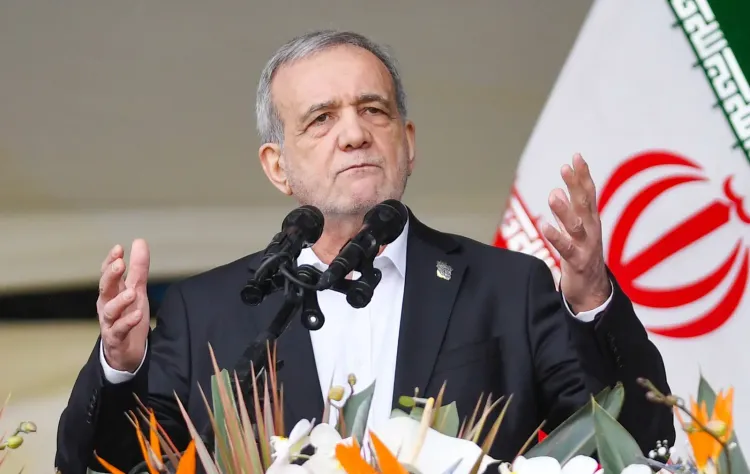
Iranian President Masoud Pezeshkian told the US on 25 August to abandon 'coercion and bullying' and honour the US-Iran peace MoU .
The MoU, signed on 18 June , set a 60-day negotiation window that expired on 17 August without a final agreement.
Foreign Ministry spokesman Esmaeil Baghaei said Iran will not allow the war to end on the 'aggressive parties' conditions.' Baghaei dismissed US claims about the Strait of Hormuz remaining open as 'psychological and media warfare.' Tehran warned countries assisting US anti-Iran operations could face consequences and called the reported US naval blockade an 'act of aggression.' Pakistan's Chief of Army Staff Field Marshal Asim Munir held talks with Pezeshkian in Tehran on the same day.
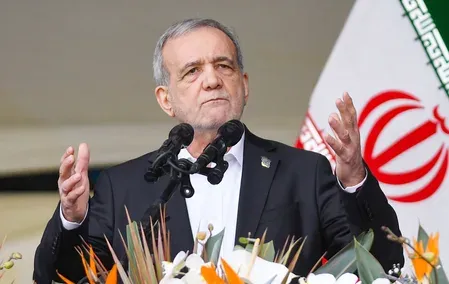
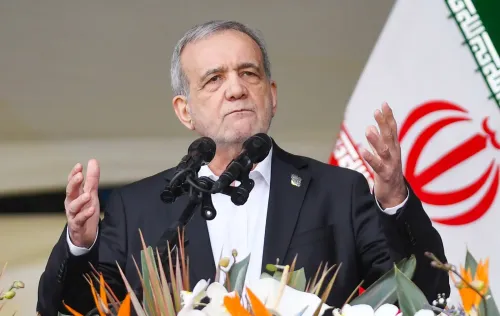
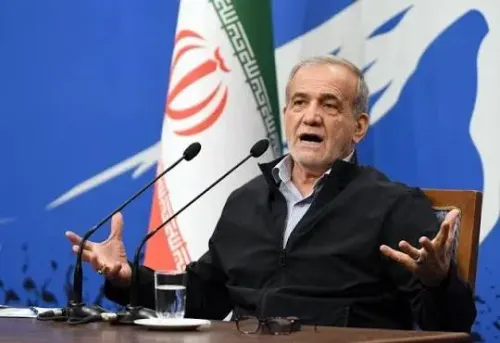
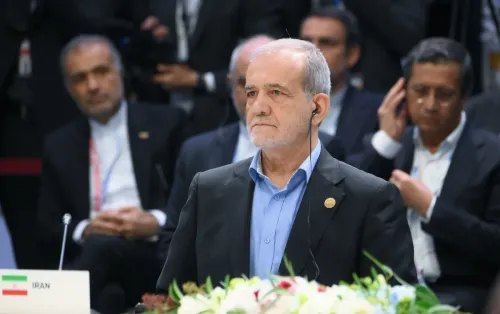
Iranian President Masoud Pezeshkian on Monday, 25 August warned that Washington must fundamentally alter its tone and approach toward Tehran, saying US reliance on pressure tactics would only deepen diplomatic gridlock. The remarks came during a meeting with Pakistan's Chief of Army Staff Field Marshal Asim Munir in Tehran, according to a statement published on the presidential office's website.
Pezeshkian's Warning to Washington
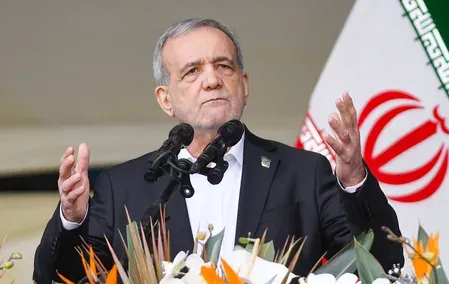
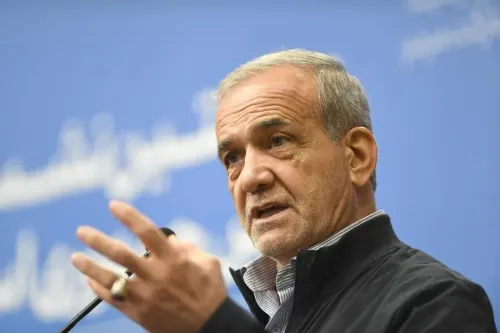
'The US reliance on coercion and bullying will only complicate executive processes,' Pezeshkian said, stressing that the United States must honour its obligations toward Iran 'based on the (country's) legitimate rights and international regulations.' He expressed hope that the goals set out in the US-Iran peace memorandum of understanding (MoU) could still be achieved 'with the continuation of the will and joint cooperation.'
The MoU and Its Uncertain Future
The United States and Iran signed the peace MoU on 18 June, under which both sides were scheduled to hold negotiations within 60 days — a window that closed on 17 August — with the aim of reaching a final agreement. However, the fate of those talks remains unclear following what reports describe as renewed escalation between the two countries. No breakthrough has been publicly confirmed.
Foreign Ministry: Iran Will Not Accept Aggressor's Terms
Separately, Iranian Foreign Ministry spokesman Esmaeil Baghaei addressed a weekly press conference in Tehran on the same day, drawing a hard line on the ongoing conflict. 'We have definitely not been the party to start the war, but we will not let the war's end be based on the aggressive parties' conditions,' Baghaei said.
He asserted that Iran remained determined to defend its territory and would not 'compromise with the aggressive parties' or yield to their 'excessive demands.' Baghaei also dismissed US claims that the Strait of Hormuz remained open and that millions of barrels of oil were passing through it daily, calling such assertions part of 'psychological and media warfare.'
Sanctions, Naval Blockade, and Regional Fallout
The spokesman sharply criticised Washington's newly announced anti-Iran economic operation, saying Tehran would deploy all its 'multilateral capacities' to counter US sanctions — which he characterised as a blow to free trade and national sovereignty. Baghaei also warned that third-party countries assisting US anti-Iran operations could face consequences, and labelled the reported US naval blockade an 'act of aggression.'
What Comes Next
With the 60-day MoU negotiation window now elapsed and no final agreement in sight, diplomatic channels between Washington and Tehran appear under significant strain. The involvement of Pakistan's army chief in high-level talks in Tehran signals that regional powers are closely tracking — and potentially positioning themselves around — the trajectory of the US-Iran standoff.
Point of View
Reportedly, walked away from it — yet neither has formally declared it dead. That ambiguity is itself a pressure tactic. Pezeshkian's choice to deliver his sharpest rebuke to Washington during a meeting with Pakistan's army chief is not incidental: it signals Tehran is actively cultivating regional relationships as a hedge against US economic pressure. The Strait of Hormuz framing is the most volatile element — if Tehran moves from rhetoric to interdiction, the calculus for global oil markets changes overnight.
NationPress
9 Oct 2026
Frequently Asked Questions
What did Iranian President Pezeshkian say about the United States?
Pezeshkian said the US must change its tone and approach toward Iran, warning that 'reliance on coercion and bullying will only complicate executive processes.' He called on Washington to remain committed to its obligations under the US-Iran peace MoU based on Iran's legitimate rights and international regulations.
What is the US-Iran peace MoU and what is its current status?
The US-Iran peace memorandum of understanding was signed on 18 June, setting a 60-day window for negotiations to reach a final agreement. That window closed on 17 August without a confirmed deal, and the talks' fate remains unclear amid reports of renewed escalation between the two sides.
What did Iran's Foreign Ministry say about the ongoing conflict?
Spokesman Esmaeil Baghaei said Iran did not start the war but would not allow it to end on terms set by what he called 'aggressive parties.' He also dismissed US claims about the Strait of Hormuz being open as 'psychological and media warfare' and warned countries aiding US operations against Iran of potential consequences.
Why was Pakistan's army chief in Tehran?
Field Marshal Asim Munir, Pakistan's Chief of Army Staff, met President Pezeshkian in Tehran on 25 August. The meeting's full agenda was not detailed in official statements, but it signals active regional diplomatic engagement around the US-Iran standoff.
How is Iran planning to respond to US sanctions?
Foreign Ministry spokesman Baghaei said Tehran would use all its 'multilateral capacities' to counter US sanctions, which he described as a blow to free trade and national sovereignty. He did not specify which countries or mechanisms Iran intends to leverage.