Iran-US MoU: Pezeshkian says peace path hinges on trust from Washington
Synopsis
Iranian President Masoud Pezeshkian has put Washington on notice: Tehran will honour the Iran-US MoU only if the US dismantles what he called an 'atmosphere of distrust.' With the 60-day negotiation window under strain from regional escalation and internal divisions reportedly simmering in Tehran, the peace framework faces its earliest and most serious test.
Key Takeaways
Iranian President Masoud Pezeshkian said on 9 August that Tehran will pursue peace under the Iran-US MoU only if Washington builds an atmosphere of trust.
Pezeshkian stated Iran will match its commitments to the level of US compliance , underlining a reciprocity principle.
He confirmed that Iran's ultimate course of action will be guided by Supreme Leader Mojtaba Khamenei's decisions.
The MoU was signed in June , with a 60-day negotiation window to reach a final agreement — a timeline now under pressure from regional escalation.
Pezeshkian denied resignation rumours and said he would 'continue his work resolutely' amid reported leadership divisions over the MoU.
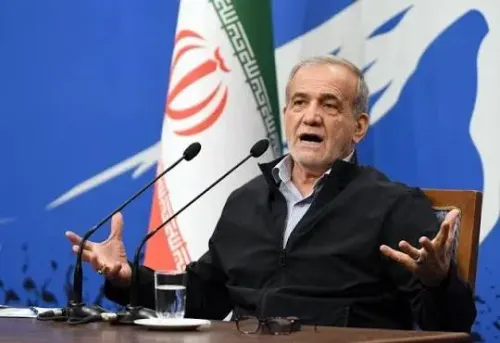
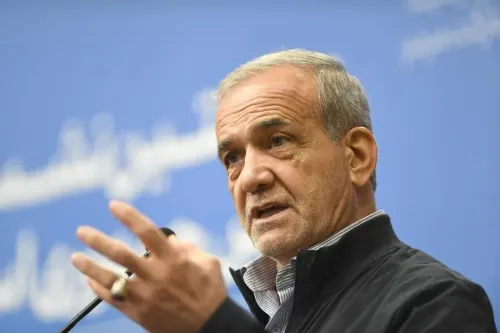
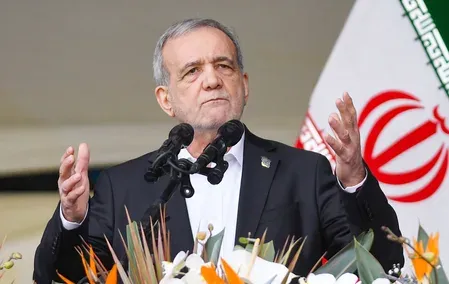
Iranian President Masoud Pezeshkian said on Saturday, 9 August that Tehran will continue pursuing the path of peace under the memorandum of understanding (MoU) signed with the United States, but only if Washington moves to build an atmosphere of trust. The remarks came at a press conference in Tehran, where Pezeshkian also defended his government's decision to enter negotiations with the US amid reported divisions within Iran's leadership.
What Pezeshkian Said
Speaking at the press conference, Pezeshkian stated that Iran is moving on the 'path of peace' based on the 'paragraphs' outlined in the MoU. 'Now is the best time to reach an agreement, as there is solidarity, power and unity in the country,' he said.
'We are determined to ... use the MoU as the basis provided that the United States lets go of the atmosphere of distrust it has created, and an atmosphere of trust is formed,' Pezeshkian added. He also underscored the principle of reciprocity, saying Iran will match its commitments to the level of US compliance.
Iran's Red Lines
Pezeshkian made clear that Tehran will not yield to coercion. 'If the other side seeks to resort to force, Iran will not acquiesce to that,' he said, adding that the ultimate basis for Iran's actions will be the decisions of Supreme Leader Mojtaba Khamenei. In a separate interview published on the website of his office on Friday, Pezeshkian reiterated that Iran's obligations under the MoU are contingent on US compliance: 'Wherever they fail to fulfil their commitment, we have no obligation to continue.'
Background: The Iran-US MoU
In June, Iran and the United States signed the MoU on ending the war on all fronts, including Lebanon. The two sides were scheduled to hold negotiations within a 60-day window to reach a final agreement. However, recent escalation in the region has left the fate of those talks uncertain. This comes amid broader geopolitical turbulence across West Asia, where ceasefire frameworks have repeatedly stalled.
Leadership Divisions and Pezeshkian's Position
Earlier this week, Pezeshkian denied reports that he was stepping down, saying he would 'continue his work resolutely.' The denial followed rumours of internal divisions within Iran's leadership over the MoU — a signal that the agreement remains politically contested domestically. Notably, this is not the first time Iran's negotiating posture has faced pressure from hardline factions at home.
What Comes Next
With the 60-day negotiation window under pressure from regional escalation, the trajectory of the Iran-US MoU remains fragile. Whether Washington moves to reduce what Tehran describes as an 'atmosphere of distrust' will be the key variable determining if talks advance toward a final agreement.
Point of View
The MoU risks becoming a framework in name only. What is missing from the coverage is a clear accounting of what specific trust-building measures Washington has or has not taken since June — without that baseline, both sides can claim the other is in breach.
NationPress
9 Aug 2026
Frequently Asked Questions
What is the Iran-US MoU that President Pezeshkian referred to?
The MoU is a memorandum of understanding signed between Iran and the United States in June, aimed at ending the war on all fronts including Lebanon. The two sides agreed to hold negotiations within a 60-day period to reach a final agreement, though regional escalation has since put the timeline under pressure.
What conditions has Iran set for continuing peace talks with the US?
Iranian President Masoud Pezeshkian has said Tehran will continue on the path of peace only if the United States helps build an atmosphere of trust and fulfils its own commitments under the MoU. He stated that Iran's obligations are contingent on US compliance, and that force will not be tolerated.
Who has final say over Iran's decisions in the MoU negotiations?
Pezeshkian confirmed that the basis for Iran's actions will ultimately be the decisions of Supreme Leader Mojtaba Khamenei. This underscores that the president's negotiating position is bounded by the Supreme Leader's authority.
Is there division within Iran's leadership over the MoU?
Reports of internal divisions within Iran's leadership over the MoU have circulated, though Pezeshkian denied them. He also denied resignation rumours this week, saying he would 'continue his work resolutely.'
What happens if the 60-day negotiation window expires without a final agreement?
The source does not specify a formal fallback mechanism, but Pezeshkian has made clear that Iran has 'no obligation to continue' if the US fails to fulfil its commitments. Regional escalation has already left the fate of the talks uncertain, raising the risk of the MoU framework collapsing before a final deal is reached.