Iran slams US sanctions as assault on UN-based sovereignty order
Synopsis
Iran’s Foreign Ministry has framed the latest US sanctions not as a bilateral dispute but as a systemic attack on the UN-based international order — citing the ICJ Nicaragua ruling and Article 2(1) of the UN Charter. The warning of a ‘return to full-scale classic colonialism’ signals Tehran is pitching its case to the wider Global South, not just Washington.
Key Takeaways
Iran condemned new US economic sanctions on 22 August , calling them an assertion of extraterritorial sovereignty over all UN member states.
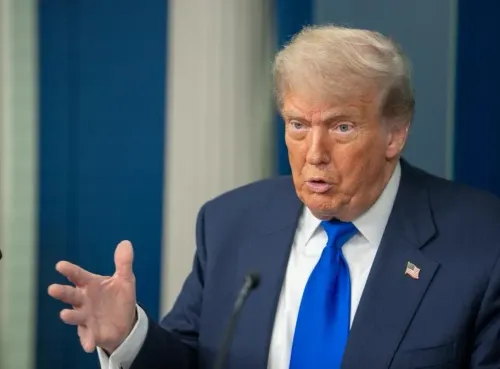
US President Donald Trump described the measures as “the most crushing economic operation ever taken” against any country aiding Iran.
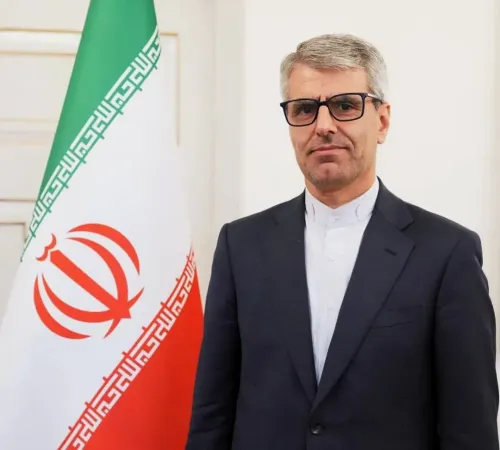
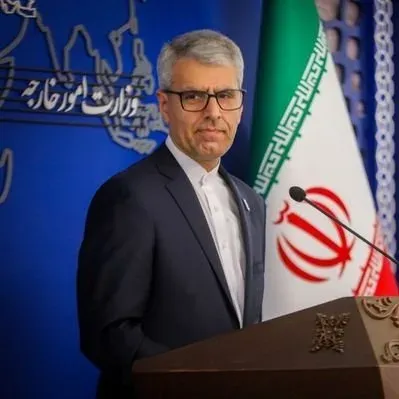
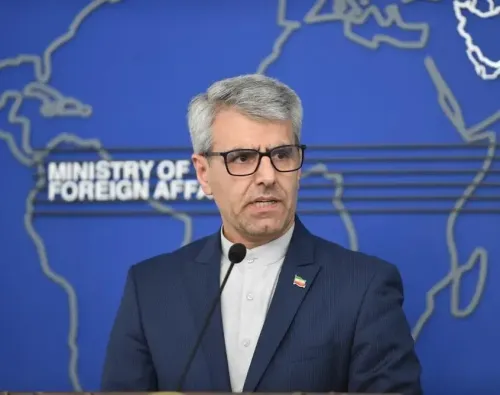
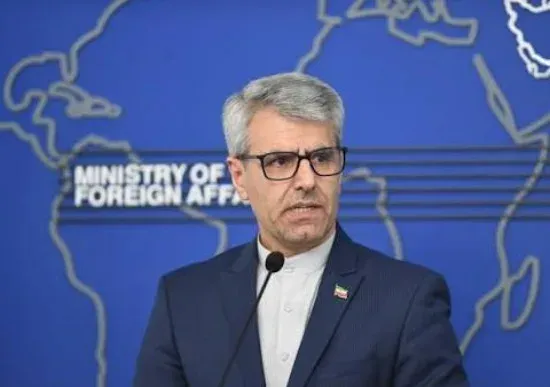
Iranian Foreign Ministry Spokesperson Esmaeil Baqaei posted the condemnation on X , citing violations of Article 2(1) of the UN Charter and the ICJ Nicaragua case .
Tehran warned that secondary sanctions combined with a naval blockade reduce sovereignty to something “provisional and conditional.” Iran cautioned the final outcome of such policies would be “complete erosion of sovereignty” and “a return to full-scale classic colonialism.”
Iran on Saturday, 22 August sharply condemned fresh United States economic sanctions, warning that such measures amount to an assertion of extraterritorial control over every sovereign member of the United Nations and could ultimately destroy the foundational basis of the international state system. The condemnation came days after US President Donald Trump described the measures as “the most crushing economic operation ever taken” against any country supplying Iran a financial lifeline.
Iran's Core Argument
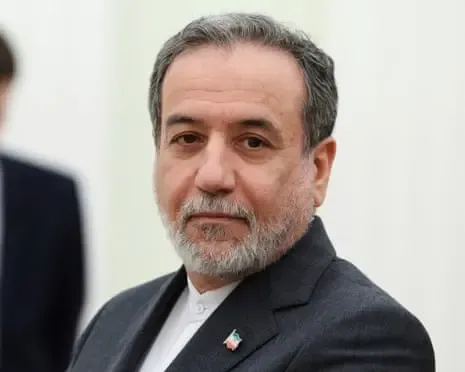
Iranian Foreign Ministry Spokesperson Esmaeil Baqaei, in a post on X, said the latest US sanctions go well beyond what he called continued unlawful ‘economic warfare’ against a single nation. “It is an assertion of extraterritorial sovereignty over every independent Member State of the United Nations,” he wrote.
Baqaei argued that no country can legally compel foreign banks, companies, or airports — operating under the “exclusive jurisdiction” of their own governments — to “abandon lawful commercial relations” with another sovereign state.
The International Law Dimension
Tehran's position rests on specific provisions of international law. Baqaei cited Article 2(1) of the UN Charter, which enshrines the principle of sovereign equality, and the International Court of Justice’s ruling in the Nicaragua case, which affirmed the customary prohibition on intervention in another state’s affairs.
“Such secondary sanctions find no foundation in international law. They violate the principle of sovereign equality enshrined in Article 2(1) of the UN Charter and breach the customary prohibition on intervention affirmed by the International Court of Justice in the Nicaragua case. Economic coercion designed to force a sovereign State to alter its lawful policy choices constitutes an outright internationally wrongful act,” Baqaei said.
Naval Blockade and Compounded Pressure
Baqaei further warned that when secondary sanctions are combined with what he described as a naval blockade amounting to “military aggression,” the sovereignty of targeted countries is reduced to something “provisional, conditional, and susceptible” to revocation by a foreign power.
He added that even full compliance with US demands offers no real protection: “Compliance purchases no immunity or respect; it merely concedes that one’s banks, enterprises, and airports operate only under a foreign licence.”
Warning of a Return to Colonialism
Tehran’s sharpest warning concerned the long-term trajectory of such policies. Baqaei argued the end result would be “the complete erosion of sovereignty as the foundational basis of the UN-based inter-State system, and a recipe for an abysmal return to full-scale classic colonialism.”
This comes amid an already fraught period in US-Iran relations, with Washington maintaining a broad sanctions architecture that has targeted Iranian oil exports, banking access, and defence procurement for years. The latest round, described by Trump as unprecedented in scale, appears designed to tighten that net further. How third-country governments and multinational corporations respond to the secondary sanctions pressure will be a key test of whether Tehran’s sovereignty argument gains broader international traction.
Point of View
Tehran is building a brief for the Global South — countries that chafe under secondary sanctions but have not publicly challenged the US architecture. The colonialism reference is not rhetorical excess; it is a calculated appeal to post-colonial solidarity. What mainstream coverage misses is that this argument, if picked up by larger economies such as China or the EU, could meaningfully complicate Washington’s ability to enforce secondary sanctions through correspondent banking. The real test is not whether Iran wins the legal argument — it almost certainly will not in any US-adjacent forum — but whether enough third-country actors quietly de-risk from US pressure, eroding the sanctions’ practical bite.
NationPress
6 Oct 2026
Frequently Asked Questions
What did Iran say about the new US sanctions?
Iran condemned the sanctions as an assertion of extraterritorial sovereignty over all UN member states, arguing they violate international law including Article 2(1) of the UN Charter and the ICJ’s Nicaragua ruling. Foreign Ministry Spokesperson Esmaeil Baqaei warned the measures could lead to ‘complete erosion of sovereignty’ and a return to colonialism.
What did US President Trump say about the sanctions on Iran?
President Donald Trump described the measures, announced on Wednesday, as ‘the most crushing economic operation ever taken’ against any country providing Iran a financial lifeline. He did not specify all targeted entities in the reported remarks.
What are secondary sanctions and why does Iran object to them?
Secondary sanctions penalise third-country banks, companies, and airports for doing business with a targeted nation, even when such commerce is legal under their own national laws. Iran argues these measures illegally extend US jurisdiction over foreign entities and violate the principle of sovereign equality enshrined in the UN Charter.
Which international legal provisions did Iran cite in its condemnation?
Iran cited Article 2(1) of the UN Charter, which enshrines sovereign equality among member states, and the International Court of Justice’s ruling in the Nicaragua case, which affirmed the customary international law prohibition on intervention in another state’s internal affairs.
What did Iran warn would happen if such sanctions continue?
Iran warned that combining secondary sanctions with what it called a naval blockade amounting to military aggression would reduce the sovereignty of targeted states to something provisional and conditional. The ultimate outcome, Tehran argued, would be the complete erosion of the UN-based inter-state system and a return to full-scale colonialism.