US Intelligence: Iran's Military Capabilities Weakened Yet Threat Persists

Synopsis
Despite significant degradation of Iran's military capabilities due to US interventions, intelligence reports reveal the regime remains a formidable threat. Lawmakers are informed that while weakened, Iran's military ambitions are far from extinguished, raising concerns over regional stability and US interests.
Key Takeaways
US operations have degraded Iran's military capabilities.
The Iranian regime remains intact and poses ongoing threats.
There are concerns about Iran's missile technology advancements.
Iran continues to engage in conflicts against US and allied interests.
Internal economic pressures may escalate tensions within Iran.
Washington, March 19 (NationPress) Recent operations led by the US have notably diminished Iran’s military and strategic capabilities, yet the regime persists and continues to pose a significant threat to both American interests and regional stability, according to US intelligence officials who briefed lawmakers.
Director of National Intelligence Tulsi Gabbard indicated that while the Iranian regime has experienced considerable weakening, it has not been eradicated.
“The IC (intelligence community) estimates that the regime in Iran, although largely degraded due to assaults on its leadership and military capacity, remains fundamentally intact,” she shared with the Senate Select Intelligence Committee on Wednesday (local time).
She noted that Iran’s conventional military power has suffered severe reductions.
“The capabilities for projecting its conventional military power have been mostly obliterated, leaving it with limited alternatives,” Gabbard stated, asserting that “Iran’s strategic position has been profoundly degraded.”
Despite this, officials cautioned that Tehran still possesses the intent and ability to restore its military strength over time.
“The IC assesses that should the regime endure, it will likely embark on a long-term effort to rejuvenate its military, missile, and UAV capabilities,” she remarked.
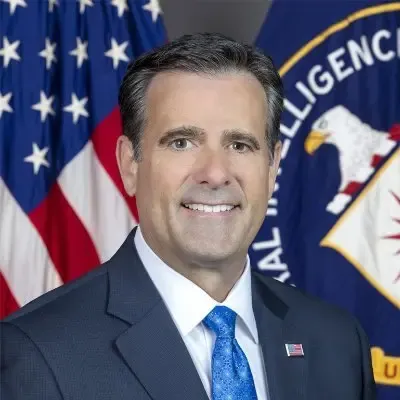
CIA Director John Ratcliffe emphasized that Iran remains a long-standing adversary.
“Iran has consistently posed a threat to the United States for an extended timeframe and currently represents an immediate danger,” he informed lawmakers.
His concerns also extended to Iran’s missile ambitions.
“If not hindered, they could develop the capability to launch missiles targeting the continental US,” Ratcliffe warned, referencing Tehran’s advancement in missile and space launch technologies.
The intelligence assessment highlighted that Iran is still actively engaging in conflict with the United States and its allies.
“Iran and its proxies are persistently assaulting US and allied interests in the Middle East,” Gabbard noted.
Despite military challenges, the regime is expected to maintain its internal resilience, even as economic and political strains intensify.
“The IC estimates that internal strife is likely to escalate as Iran’s economic situation deteriorates,” she stated.
Simultaneously, US officials underscored that recent operations have disrupted Iran’s nuclear and missile capabilities.
“Diminishing Iran’s missile manufacturing capabilities is crucial for our national security,” Ratcliffe asserted.
Independent evaluations presented during the hearing generally supported this perspective, indicating that while Iran’s capabilities have suffered damage, they are not irrevocably eliminated.
The intelligence community also pointed out Iran’s ongoing technological foundation, including its space launch program, as a viable path toward developing long-range missile capabilities in the future.
“The IC assesses that Iran has previously exhibited space launch and other technologies that could facilitate the development of a militarily capable ICBM,” Gabbard explained.
Senators from both parties questioned intelligence officials regarding whether the threat from Iran had been entirely neutralized. Several expressed unease over the disparity between political statements and intelligence evaluations.
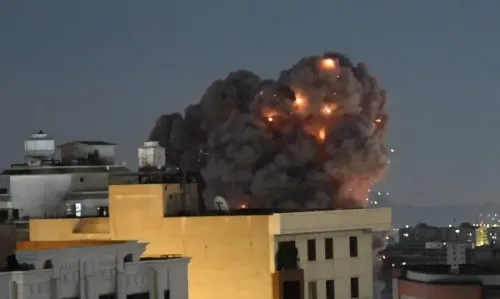
This Congressional hearing takes place amid heightened military tensions in the Middle East following US-led strikes under Operation Epic Fury, which targeted Iran’s nuclear and military infrastructure.
Point of View
It is crucial to present the facts surrounding Iran's military status. While recent US operations have diminished Iran's capabilities, the regime's resilience and potential for military reconstruction pose ongoing challenges. This situation demands careful monitoring as it could impact both regional security and US interests.
NationPress
23 Sept 2026
Frequently Asked Questions
What recent operations have affected Iran's military?
US-led military operations have significantly degraded Iran's military and strategic capabilities.
Is Iran still a threat to the US?
Yes, despite military setbacks, Iran continues to pose a serious threat to US interests and regional stability.
What are the concerns regarding Iran's missile capabilities?
Iran's advancing missile and space launch technologies raise concerns that they could target the continental US if left unchecked.
How is Iran's internal situation affecting its military potential?
Increasing internal tensions due to economic woes could impact Iran's military potential while also hinting at a possible resurgence.
What does the intelligence community say about Iran's future military ambitions?
The IC assesses that if the regime survives, it will likely attempt to rebuild its military, missile, and UAV capabilities over time.