IRGC says supertanker exploded hitting mine in Strait of Hormuz
Synopsis
Two mine strikes in under a week, a supertanker on fire with two million barrels of crude aboard, and Iran's IRGC claiming the Strait of Hormuz is closed — this is not a routine shipping incident. Tehran is signalling it will enforce its own rules at the world's most critical oil chokepoint, and the global energy market is watching.
Key Takeaways
Iran's IRGC Navy said a supertanker carrying over two million barrels of crude exploded after hitting a naval mine in the Strait of Hormuz on 17 October .
The IRGC claimed the vessel had disabled its GPS and radar systems and was attempting an 'unauthorised' crossing with alleged US military support.
A second vessel — a container ship — reportedly sank under similar circumstances earlier in the week on Wednesday .
IRGC Navy Commander Ali Azmaei warned of a 'decisive response' to any future violations of Iranian shipping rules.
Iranian President Masoud Pezeshkian separately denied that Iran seeks to develop nuclear weapons, calling such claims a 'lie' at COP17 in Yerevan .
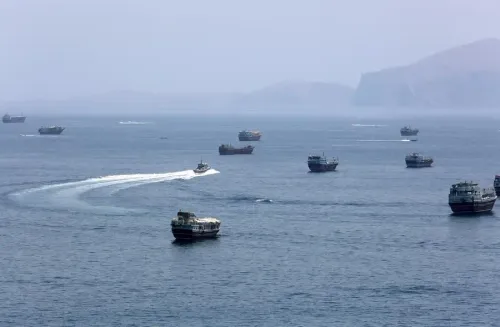
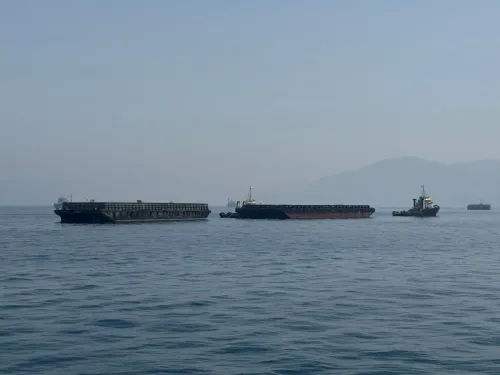
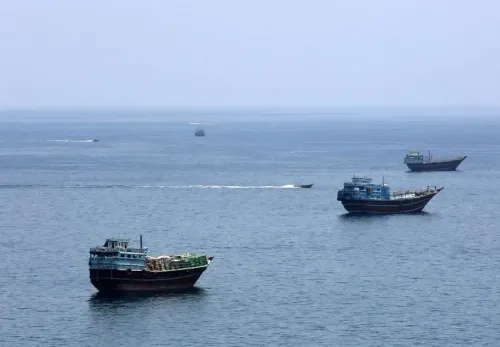
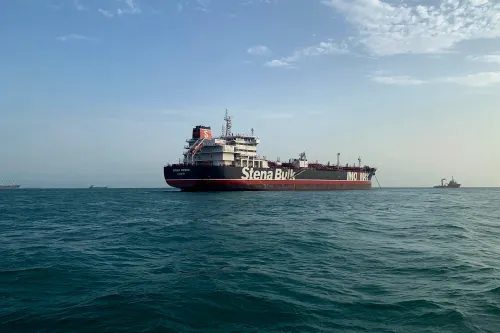
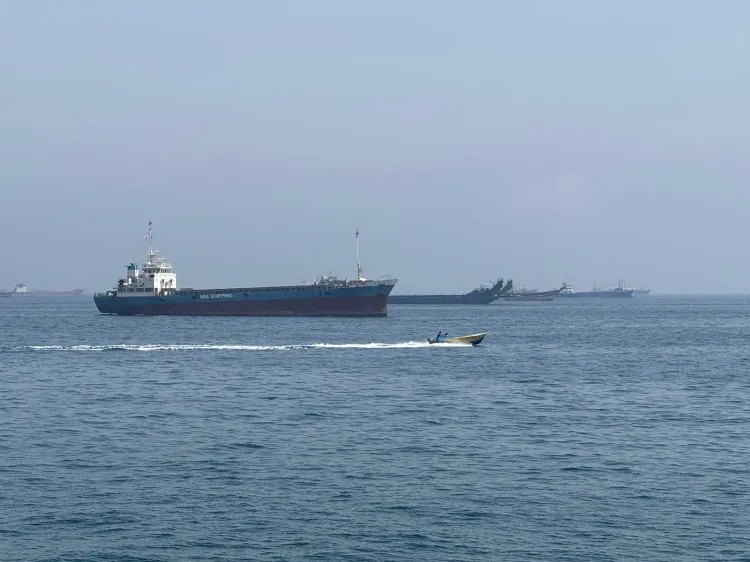
Iran's Islamic Revolutionary Guard Corps (IRGC) Navy announced on Saturday, 17 October that a supertanker carrying more than two million barrels of crude oil suffered a 'huge' explosion after striking a naval mine in the Strait of Hormuz. The vessel had allegedly been attempting to cross the strategically critical waterway through an 'unauthorised' route, according to a statement published by the IRGC's official outlet, Sepah News.
What the IRGC Said
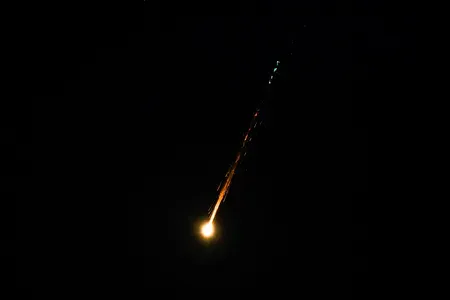
According to the IRGC Navy's statement, the supertanker had switched off its GPS and radar systems before attempting passage and was reportedly operating with the support of the US military. The explosion triggered a 'massive' fire on the vessel, the statement said. The IRGC further claimed that the Strait of Hormuz has since been closed, though this assertion has not been independently verified.
The incident marks the second such episode in the same week. On Wednesday, the IRGC Navy said a 'violating' container ship attempting passage through the Strait via an 'unauthorised and high-risk' route sank after hitting a naval mine south of the waterway. Two mine-related incidents in under a week represent a sharp escalation in tensions at one of the world's most critical oil chokepoints.
IRGC Commander's Warning
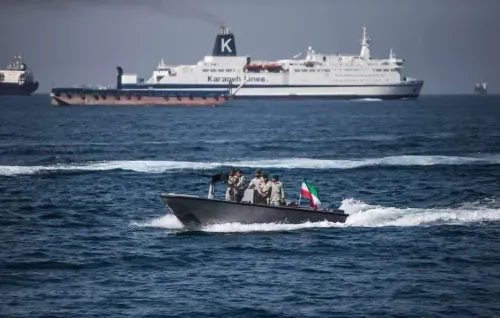
Speaking to state-run IRIB TV on Tuesday, IRGC Navy Commander Ali Azmaei said Iranian forces are controlling the Persian Gulf and the Strait of Hormuz 'round the clock', with the Gulf of Oman under the supervision of Iran's conventional navy. He warned that vessels violating shipping rules under what he characterised as US 'deception or provocation' would face a 'decisive response' from Iran.
Iran's Nuclear Stance
Separately, Iranian President Masoud Pezeshkian on Friday reiterated that Iran does not seek to develop nuclear weapons, calling claims to the contrary a 'lie.' Pezeshkian made the remarks while meeting Georgian Prime Minister Irakli Kobakhidze on the sidelines of the 17th Conference of the Parties (COP17) to the Convention on Biological Diversity in the Armenian capital, Yerevan. 'Iran does not seek to develop nuclear weapons, and we consider the destructive propaganda against our country as a lie,' he said, citing what he described as the positions of Iran's late Supreme Leader Ali Khamenei on prohibiting nuclear weapons development.
Why This Matters for Global Energy Markets
The Strait of Hormuz is the world's most consequential oil chokepoint, through which roughly 20% of globally traded crude oil passes daily. Any sustained disruption — or even the credible threat of one — can trigger sharp moves in crude prices and freight insurance premiums. India, which imports a significant portion of its crude from Gulf producers, is particularly exposed to volatility at the strait. This comes amid already-elevated geopolitical tensions in the broader Middle East region. How other regional and global powers respond to Tehran's escalating mine-laying posture will shape the next chapter of this crisis.
Point of View
In effect, signalling that it will unilaterally determine who transits the world's most critical oil chokepoint and under what conditions. The US military's alleged involvement, as claimed by the IRGC, has not been independently confirmed, and both accounts must be treated with scrutiny. What is verifiable is the frequency and escalation: if the IRGC's posture hardens further, freight insurance rates will spike, LNG and crude spot prices will react, and India — deeply dependent on Gulf crude — will face uncomfortable choices about its energy diplomacy with Tehran and Washington simultaneously.
NationPress
17 Oct 2026
Frequently Asked Questions
What happened to the supertanker in the Strait of Hormuz?
Iran's IRGC Navy said the supertanker struck a naval mine while attempting to cross the Strait of Hormuz through an 'unauthorised' route on 17 October, triggering a 'huge' explosion and a massive fire. The vessel was reportedly carrying more than two million barrels of crude oil and had switched off its GPS and radar systems.
Is this the first such incident in the Strait of Hormuz recently?
No — this is the second incident in the same week. On Wednesday, the IRGC said a container ship attempting to use an 'unauthorised and high-risk' route through the strait sank after hitting a naval mine south of the waterway.
What did IRGC Navy Commander Ali Azmaei say about the situation?
Commander Azmaei told state-run IRIB TV on Tuesday that Iranian forces are controlling the Persian Gulf and the Strait of Hormuz around the clock. He warned that vessels violating shipping rules under what he described as US 'deception or provocation' would face a decisive response from Iran.
Why is the Strait of Hormuz strategically important?
The Strait of Hormuz is the world's most critical oil chokepoint, through which approximately 20% of globally traded crude oil passes daily. Any disruption there directly affects global energy prices, freight costs, and oil-importing nations including India.
What did Iranian President Pezeshkian say about nuclear weapons?
President Masoud Pezeshkian said on Friday that Iran does not seek to develop nuclear weapons, calling claims to the contrary a 'lie.' He made the statement during a meeting with Georgian Prime Minister Irakli Kobakhidze on the sidelines of COP17 in Yerevan, Armenia.