Israel slams Trump-Iran deal as Netanyahu rift widens at G7
Synopsis
Israel's political establishment is pushing back hard against Trump's Iran deal — and Trump himself called Netanyahu 'a very difficult guy' in a New York Times interview. With key issues like Iran's uranium stockpile still unresolved and the G7 about to weigh in, this is shaping up as the first serious crack in the Trump-Netanyahu alliance.
Key Takeaways
Israeli leaders across the political spectrum have criticised President Trump 's emerging agreement with Iran , warning it leaves nuclear threats unresolved.
Trump called Prime Minister Benjamin Netanyahu 'a very difficult guy' in an interview with The New York Times , signalling a rare public rift.
Key deferred issues include Iran 's enriched uranium stockpile and long-term restrictions on Tehran 's nuclear activities, according to The Washington Post .
Trump claimed his military campaign and naval blockade 'saved Israel from nuclear obliteration' — a framing Israeli officials have not publicly endorsed.
The deal is set to be discussed at the G7 summit in France this week, with enforcement and verification mechanisms under scrutiny.
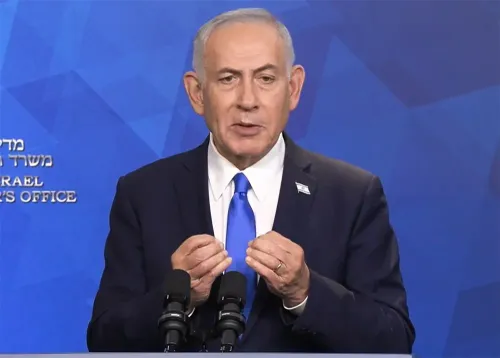
Israeli leaders and opposition figures have sharply criticised US President Donald Trump's emerging agreement with Iran, warning that the deal risks leaving critical security concerns unaddressed even as Washington hails it as a landmark diplomatic achievement. The backlash, reported on 15 June, cuts across Israel's political spectrum and has surfaced a rare and public strain in the Trump-Netanyahu relationship.
What the Agreement Reportedly Involves
Details of the deal remain closely held, but according to The Washington Post, Israeli officials fear it could leave Iran's leadership structure and parts of its nuclear infrastructure intact. Particularly alarming to Jerusalem, the report said, is that the agreement appears to defer decisions on Iran's enriched uranium stockpile and the long-term restrictions on Tehran's nuclear activities — two issues Israeli officials regard as non-negotiable.
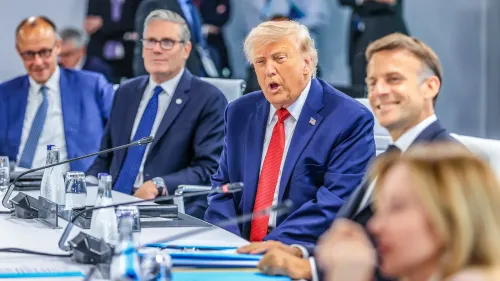
The agreement is expected to feature prominently at this week's G7 summit in France, where world leaders are preparing to assess its regional and strategic implications.
The Trump-Netanyahu Rift
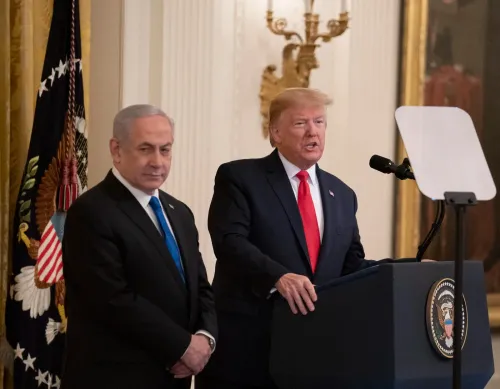
The emerging deal has exposed fresh tensions between Trump and Israeli Prime Minister Benjamin Netanyahu, who have largely maintained a close alliance throughout Trump's political career. In an interview with The New York Times, Trump described Netanyahu as 'a very difficult guy' and suggested that Israeli military actions had at times complicated diplomatic efforts with Tehran.
Trump also told The New York Times that his administration's military campaign and naval blockade had forced Iran back to the negotiating table, and that he had 'saved Israel from nuclear obliteration' through his handling of the crisis — a characterisation that Israeli officials have not publicly endorsed.
Israeli Political Reaction
According to The Washington Post, some Israeli politicians accused Washington of moving too quickly toward a settlement without securing stronger guarantees from Iran. Others questioned whether Tehran could be trusted to honour future commitments and called for the continuation of military and economic pressure rather than diplomatic accommodation.
This comes amid broader Israeli concerns that diplomacy could deliver outcomes less favourable than a sustained pressure campaign — even as Israeli officials broadly welcomed earlier American military action against Iran this year.
Enforcement and Verification Concerns
Questions about monitoring are also fuelling Israeli scepticism. The Washington Post reported that critics remain unconvinced that international inspection mechanisms will be sufficient to detect or deter future violations. Several analysts cited by the newspaper argued that the deal's durability would hinge on strict verification measures and sustained multilateral pressure on Tehran.
What Comes Next
The disagreement threatens to become one of the first significant foreign-policy stress tests of the next phase of US-Israeli relations. With the G7 summit providing a global stage, how Washington addresses allied concerns — particularly from Israel — could shape the deal's international credibility and its prospects for long-term compliance from Iran.
Point of View
But Israeli officials' silence on it speaks volumes. The deferral of decisions on Iran's uranium stockpile is precisely the kind of ambiguity that turned the 2015 JCPOA into a political flashpoint for years. If the G7 endorses the deal without addressing Israeli verification demands, Netanyahu faces a domestic pressure test — and Trump faces a credibility test on his signature 'maximum pressure' doctrine.
NationPress
14 Sept 2026
Frequently Asked Questions
What is the Trump-Iran agreement that Israel is criticising?
It is an emerging diplomatic deal between the United States and Iran , details of which remain closely held, that Washington has described as a major breakthrough. According to The Washington Post , Israeli officials fear it leaves Iran 's nuclear infrastructure partly intact and defers key decisions on enriched uranium stockpiles and long-term restrictions.
Why is Israel opposed to the Trump-Iran deal?
Israeli officials are concerned the agreement does not secure strong enough guarantees from Iran and may leave critical nuclear capabilities intact. They also question whether Tehran can be trusted to comply, and argue that continued military and economic pressure would be more effective than diplomacy at this stage.
What did Trump say about Netanyahu amid the disagreement?
In an interview with The New York Times , Trump called Netanyahu 'a very difficult guy' and suggested Israeli military actions had complicated diplomatic efforts with Tehran . He also claimed his administration had 'saved Israel from nuclear obliteration' through its handling of the Iran crisis.
What are the verification concerns around the Iran deal?
Sceptics, including several analysts cited by The Washington Post , argue that international monitoring mechanisms may be insufficient to detect or deter future Iranian violations. They say the deal's success depends on strict verification measures and sustained multilateral pressure.
Where will the Iran deal be discussed next?
World leaders are expected to take up the agreement's implications at the G7 summit in France this week, which will serve as the first major multilateral test of international support for the deal.