Jaishankar in Sofia: India-Bulgaria ties must become forward-looking
Synopsis
EAM Jaishankar's Sofia visit was more than a courtesy call — it was a signal that India wants to recast its Eastern European ties for a new geopolitical era. With fresh India-EU agreements on trade, defence, and mobility now in place, Bulgaria is being positioned as a strategic node in India's expanding European engagement.
Key Takeaways
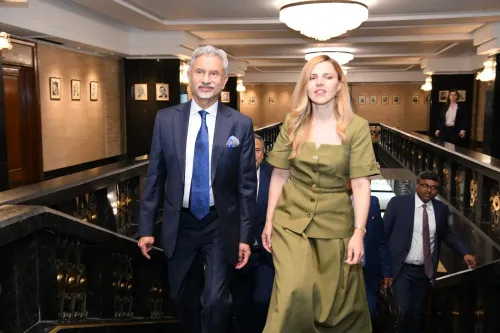
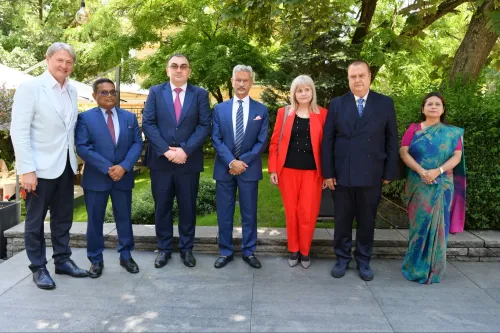
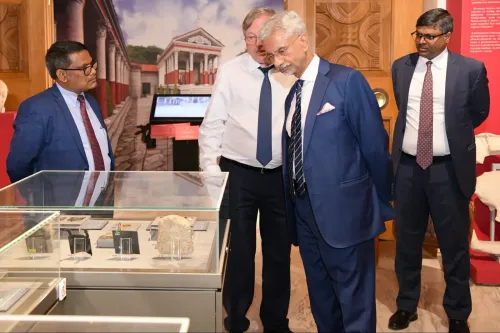
Jaishankar visited Sofia on 11 June for talks with Bulgarian Foreign Minister Velislava Petrova and Prime Minister Rumen Radev .
Jaishankar called for India-Bulgaria ties to be refashioned into a 'contemporary and forward-looking relationship.' He highlighted three new India-EU agreements concluded in January 2025 : a free trade agreement, a security and defence partnership, and a mobility framework.
Jaishankar conveyed the personal greetings of PM Narendra Modi to the Bulgarian Prime Minister.
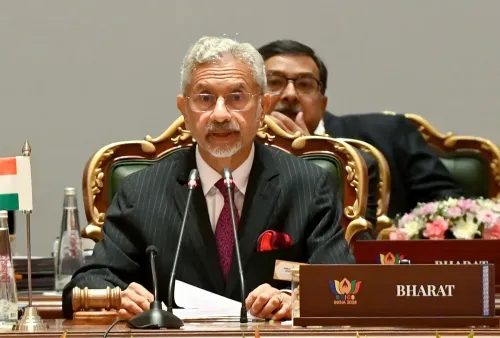
He reaffirmed India's positions on dialogue over conflict, maritime trade security, Global South priorities, and zero tolerance on terrorism.
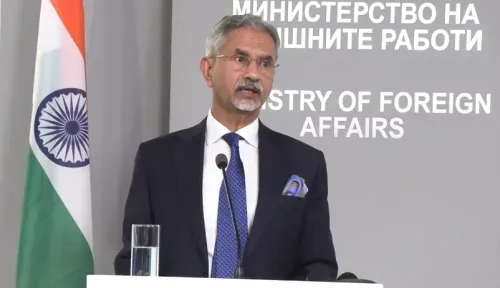
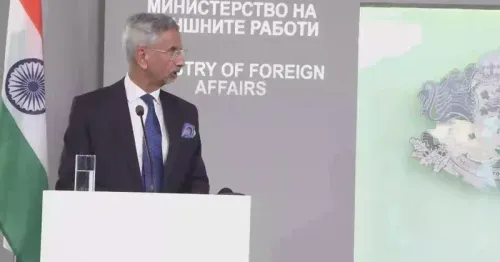
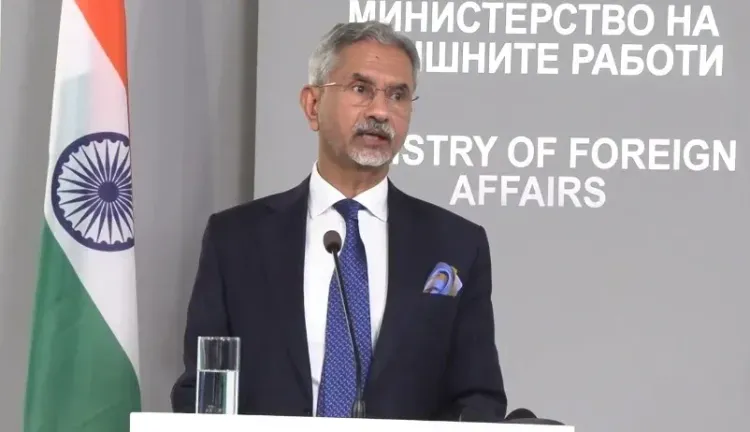
External Affairs Minister S. Jaishankar on Thursday, 11 June called for a fundamental reorientation of India-Bulgaria relations, describing the existing ties as 'longstanding and very comfortable' but insisting that the two nations must now build a more contemporary and forward-looking partnership. Jaishankar made the remarks at a press conference in Sofia following bilateral talks with Bulgaria's Foreign Minister Velislava Petrova.
Three Pillars of the Sofia Talks
Jaishankar framed the discussions around three distinct dimensions: bilateral cooperation between India and Bulgaria, the broader partnership between India and the European Union, and what the two countries could collectively contribute to global stability. 'That is largely what I came here to discuss,' he said.
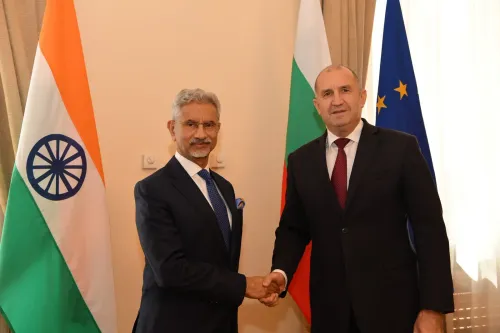
During the visit, Jaishankar also called on Bulgaria's Prime Minister Rumen Radev and conveyed the personal greetings of Prime Minister Narendra Modi, signalling the importance New Delhi attaches to the engagement.
India-EU Agreements in Focus
On the India-EU front, Jaishankar highlighted a set of landmark agreements concluded in January this year, including a free trade agreement, a security and defence partnership, and a mobility framework. He described these as having the potential to significantly deepen cooperation between India and the bloc. Bulgaria, as an EU member state, is seen as a useful interlocutor for India's expanding European engagement.
Global Volatility and India's Position
Jaishankar used the platform to articulate India's broader worldview, stressing that the current global moment is defined by exceptional volatility — marked by multiple major conflicts, economic security concerns, the lingering aftermath of the pandemic, and the persistent threat of terrorism. 'We believe that this is not an era of war,' he stated. 'The only solution to conflicts is dialogue and diplomacy.'
He also underlined the importance of unimpeded maritime trade and called for supply chain resilience and diversification as answers to global economic risk. Notably, this framing aligns closely with India's consistent messaging at multilateral forums through 2024 and 2025.
Global South Priorities and Zero Tolerance on Terror
Jaishankar reiterated India's advocacy for the Global South, particularly on energy, food, and fertiliser security — concerns that gained urgency during the post-COVID commodity disruption cycle. He also pointed to the pandemic period as evidence that deeper international health cooperation is essential, noting that both India and Bulgaria experienced this firsthand.
On terrorism, Jaishankar called for unambiguous global consensus, stating: 'The world must be clear on zero tolerance.' He noted that on all these issues — from conflict resolution to terrorism — there was a 'meeting of the minds' between India and Bulgaria, suggesting a broader strategic convergence beyond the bilateral trade and cultural ties that have historically defined the relationship.
The Sofia visit signals India's intent to deepen its diplomatic footprint across Central and Eastern Europe as the EU-India strategic partnership enters a new phase.
Point of View
Using each capital as a building block for the broader India-EU strategic architecture. The three January 2025 agreements (trade, defence, mobility) give India real leverage, but the test will be implementation speed. Bulgaria, a smaller EU economy with historical India ties from the non-aligned era, is an easier diplomatic win; the harder work lies in Berlin, Paris, and Brussels. The zero-tolerance-on-terrorism framing, while consistent, will be watched closely in European capitals that have sometimes diverged from India's definition of cross-border terrorism.
NationPress
26 Oct 2026
Frequently Asked Questions
What was the purpose of EAM Jaishankar's visit to Sofia?
Jaishankar visited Sofia on 11 June to hold bilateral talks with Bulgarian Foreign Minister Velislava Petrova and call on Prime Minister Rumen Radev. The visit covered India-Bulgaria cooperation, the India-EU strategic partnership, and shared positions on global issues including conflict resolution and terrorism.
What did Jaishankar say about India-Bulgaria relations?
He described the ties as 'longstanding and very comfortable' but said the task now is to refashion them into a contemporary and forward-looking partnership. He noted that both countries share similar political approaches and outlooks.
Which India-EU agreements did Jaishankar highlight in Sofia?
Jaishankar referred to three agreements concluded between India and the EU in January 2025: a free trade agreement, a security and defence partnership, and a mobility framework. He said these have the potential to significantly enhance bilateral cooperation.
What is India's stated position on global conflicts and terrorism?
Jaishankar reiterated that India believes the current era must not be defined by war, and that dialogue and diplomacy are the only solutions to conflicts. On terrorism, he called for global zero tolerance, stating there was a 'meeting of the minds' between India and Bulgaria on the issue.
Why does India engage with smaller EU member states like Bulgaria?
Engagement with EU member states like Bulgaria allows India to build support within the EU for its strategic and trade priorities. Bulgaria also shares historical ties with India from the non-aligned era, making it a natural partner as India deepens its European diplomatic footprint.