Jaishankar visits Bulgaria and Finland on June 10-11 for diplomatic talks
Synopsis
EAM Jaishankar's back-to-back visits to Sofia and Helsinki signal India's intent to deepen European ties at a pivotal moment. The Bulgaria leg follows PM Modi's congratulatory outreach to the new Progressive Bulgaria government, while the Kultaranta Talks in Finland give India a high-profile platform to articulate its foreign policy stance to a Europe in strategic flux.
Key Takeaways
Jaishankar will visit Bulgaria on 10 June and Finland on 11 June , the MEA confirmed.
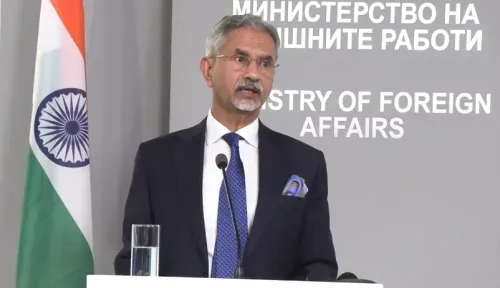
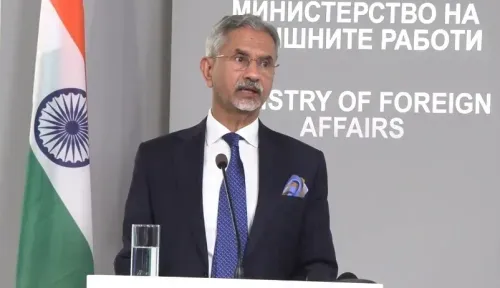
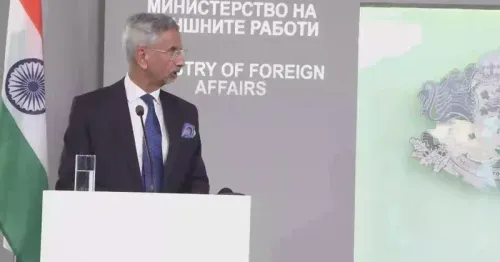
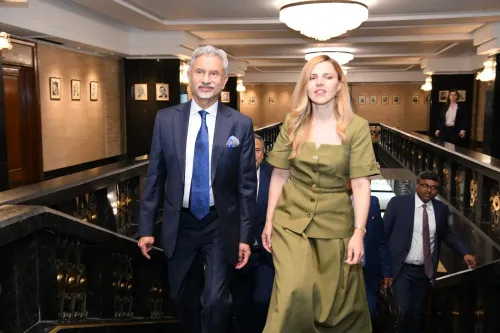
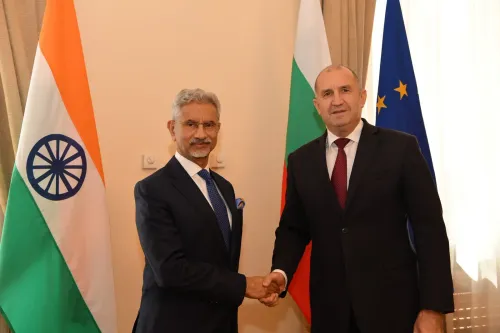
In Sofia , he will meet Bulgarian leadership and hold talks with his counterpart following the Progressive Bulgaria coalition's election victory.
In Helsinki , Jaishankar will attend the 14th Kultaranta Talks , themed 'A World in Transition: Global, Regional and Local Perspectives'.
India and Bulgaria have maintained diplomatic ties since 1954 , with cultural links predating formal relations.
PM Modi had congratulated Rumen Radev and Progressive Bulgaria on their parliamentary election win in April .
External Affairs Minister S. Jaishankar is set to visit Bulgaria and Finland on 10-11 June, the Ministry of External Affairs (MEA) confirmed on Tuesday. The two-nation tour underscores India's active diplomatic engagement with European partners at a time of heightened global uncertainty.
Sofia Stop: Bilateral Meetings with Bulgarian Leadership
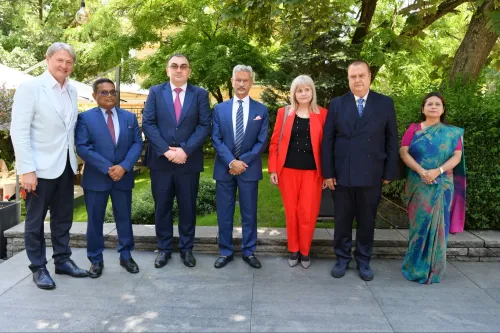
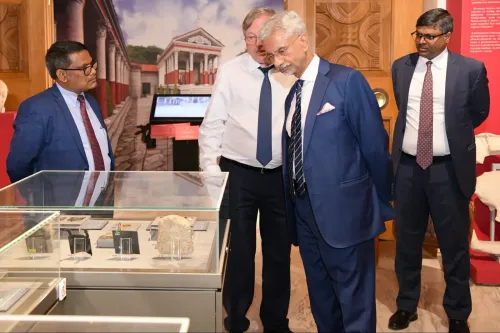
On Wednesday, 10 June, Jaishankar will travel to Sofia, where he is scheduled to meet with the Bulgarian leadership and hold formal discussions with his Bulgarian counterpart. The visit follows a period of renewed political momentum in Bulgaria, after the Progressive Bulgaria coalition — led by former President Rumen Radev — secured a landslide victory in parliamentary elections earlier this year.
Prime Minister Narendra Modi had, in April, extended congratulations to Radev on the electoral outcome, writing on X: 'Heartiest congratulations to Mr. Rumen Radev and his party Progressive Bulgaria, for their victory in the recently concluded parliamentary elections of Bulgaria. I look forward to working together to further strengthen the friendly and multifaceted ties between India and Bulgaria, as well as our broader cooperation in the region.' The Jaishankar visit is seen as a follow-through on that diplomatic signal.
India and Bulgaria share diplomatic ties dating back to 1954, with people-to-people contacts and cultural links that predate formal relations. According to the MEA, the bilateral relationship has evolved into a 'close, cordial and multi-dimensional' partnership built on continuity and mutual understanding, weathering political transitions in both countries over more than six decades.
Helsinki Stop: Kultaranta Talks on a World in Transition
On 11 June, Jaishankar will travel to Finland to participate in the 14th edition of the Kultaranta Talks, a high-level foreign policy forum organised under the theme 'A World in Transition: Global, Regional and Local Perspectives'. The annual event, hosted by the Finnish presidency, brings together senior officials and policymakers to address pressing geopolitical questions.
On the sidelines of the Kultaranta forum, Jaishankar will also hold bilateral meetings with his Finnish counterpart and the Finnish leadership. Finland, which joined NATO in 2023, has emerged as an increasingly significant interlocutor for India on European security architecture and Arctic affairs.
Broader Context: India's European Diplomatic Push
The back-to-back visits reflect a deliberate effort by New Delhi to deepen ties across a Europe recalibrating its strategic posture. This comes amid ongoing geopolitical shifts — including the war in Ukraine, evolving transatlantic dynamics, and Europe's push to diversify strategic partnerships. India has been expanding its diplomatic footprint across the continent, engaging both established and emerging partners.
Notably, the Kultaranta Talks provide Jaishankar a multilateral platform to articulate India's foreign policy positioning to a European audience at a particularly consequential moment in global affairs. The visit is expected to reinforce India's image as a credible, independent voice in a multipolar world.
Point of View
Not routine. Sofia comes on the heels of a political reset in Bulgaria, and New Delhi is clearly moving to lock in goodwill with the new Radev-led government before European alignments harden further. The Kultaranta stop is equally calculated — Finland, now a NATO member, sits at the intersection of Arctic geopolitics and European security, two theatres where India's voice has historically been thin. What mainstream coverage tends to underplay is how these engagements collectively build the scaffolding for a deeper India-EU strategic partnership that goes beyond trade. The question is whether bilateral warmth translates into concrete deliverables — defence cooperation, technology transfer, or diaspora frameworks — or remains at the level of cordial communiqués.
NationPress
22 Sept 2026
Frequently Asked Questions
Where is EAM Jaishankar visiting on June 10-11?
EAM S. Jaishankar is visiting Bulgaria on June 10 and Finland on June 11. In Sofia he will hold bilateral meetings with the Bulgarian leadership, and in Helsinki he will attend the 14th Kultaranta Talks alongside bilateral meetings with Finnish officials.
What are the Kultaranta Talks?
The Kultaranta Talks are an annual high-level foreign policy forum hosted in Finland. The 14th edition is themed 'A World in Transition: Global, Regional and Local Perspectives' and brings together senior policymakers to discuss pressing geopolitical issues.
Why is the Bulgaria visit significant?
The visit follows a landmark electoral win by the Progressive Bulgaria coalition led by former President Rumen Radev. PM Modi had already extended congratulations to Radev in April, and Jaishankar's visit is seen as a diplomatic follow-through to strengthen bilateral ties.
How long have India and Bulgaria maintained diplomatic ties?
India and Bulgaria have maintained formal diplomatic relations since 1954, with people-to-people and cultural contacts that predate that. The MEA describes the relationship as 'close, cordial and multi-dimensional', built on over six decades of continuity.
What is the broader significance of Jaishankar's European tour?
The two-nation visit reflects India's push to deepen engagement with European partners amid shifting global dynamics, including the war in Ukraine and Europe's strategic realignment. It also positions India as an active diplomatic player at multilateral forums like the Kultaranta Talks.