Jaishankar meets Bulgaria FM Petrova-Chamova, reviews bilateral ties
Synopsis
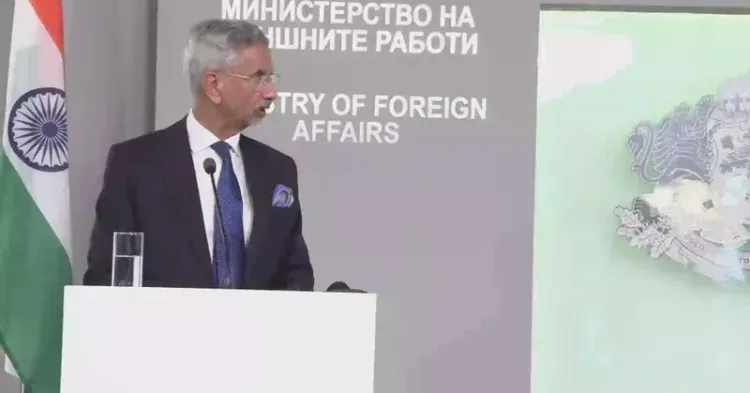
External Affairs Minister Dr. S. Jaishankar met Bulgarian Foreign Minister Velislava Petrova-Chamova on June 11, 2026, reviewing bilateral ties that date to 1955. The meeting continues India's steady engagement with EU member states as part of its multi-aligned foreign policy.
Key Takeaways
Jaishankar met Bulgarian FM Velislava Petrova-Chamova on June 11, 2026 .
India and Bulgaria established diplomatic relations in 1955 , making it one of India's older European bilateral ties.
Bulgaria is a member of both the EU and NATO , adding a multilateral dimension to the bilateral talks.
Cooperation areas between the two countries include trade, education, science, culture and people-to-people ties.
The meeting is part of India's broader pattern of sustained engagement with Central and Eastern European EU member states.
Outcomes such as joint statements or MoUs from the consultations will be closely watched.
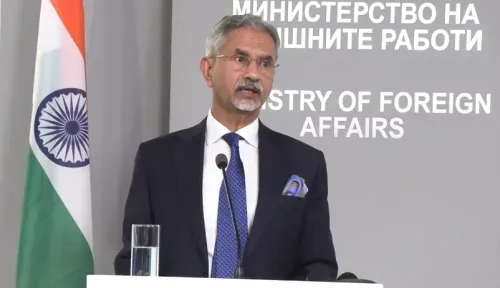
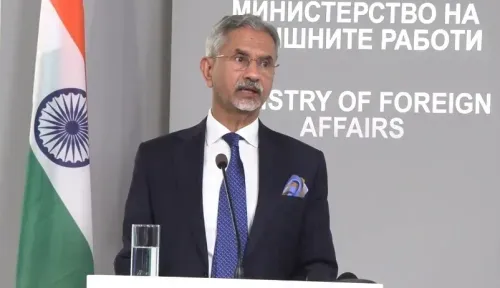
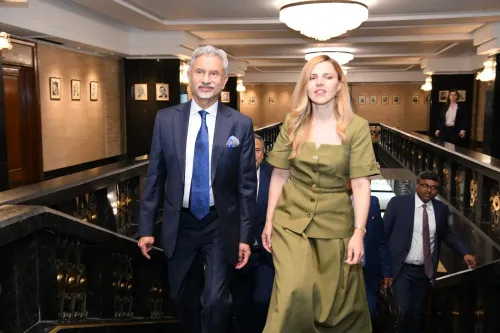
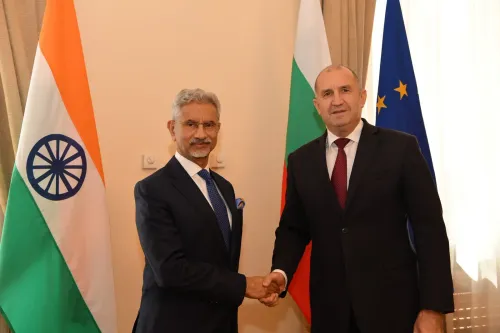
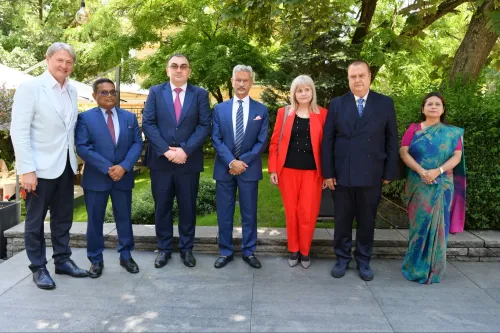
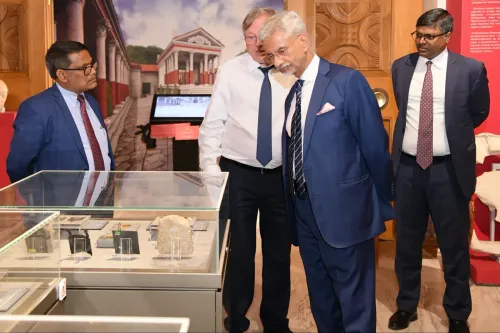
Union External Affairs Minister Dr. S. Jaishankar met Bulgarian Foreign Minister Velislava Petrova-Chamova on Thursday, June 11, 2026, holding bilateral consultations that covered the full range of India-Bulgaria relations. The minister shared his remarks following the meeting on social media, flagging the engagement with the Indian flag and Bulgarian flag emojis to underscore the bilateral character of the talks.
Context
India and Bulgaria share diplomatic relations dating back to 1955, making theirs one of the older bilateral ties between India and a Central and Eastern European nation. Over the decades, the two countries have held periodic foreign minister-level meetings to advance cooperation across trade, education, science and culture. The June 2026 meeting continues that tradition of high-level consultations.
Bulgaria is a member of both the European Union and NATO, giving it a distinct position in India's engagement with the European continent. For New Delhi, dialogue with Sofia carries both bilateral and broader EU-dimension significance, particularly as India deepens its partnerships across the bloc.
Policy Backdrop
The meeting fits squarely within India's sustained effort to diversify its foreign partnerships beyond traditional large powers. Under Dr. Jaishankar's tenure as External Affairs Minister since 2019, New Delhi has maintained a steady calendar of consultations with EU member states, including those in Central and Eastern Europe, as part of a multi-aligned foreign policy posture.
Areas of traditional cooperation between the two countries include bilateral trade, educational exchanges and cultural linkages. The broader policy objective from the Indian side has been to expand economic and technological ties while reinforcing cooperation on multilateral issues at forums such as the United Nations.
Stakeholders and Impact
The primary stakeholders in this engagement are the foreign ministries of both countries, along with trade and commerce officials who look to such high-level meetings to set the agenda for future economic cooperation. Indian businesses with interests in Europe and Bulgarian enterprises exploring the Indian market stand to benefit from any forward movement on trade facilitation.
The meeting also carries significance for the Indian diaspora and student community in Bulgaria, for whom consular and educational ties remain a practical priority. People-to-people links, including academic exchanges and cultural programmes, have historically formed a meaningful pillar of the India-Bulgaria relationship.
What's Next
Attention will now turn to any joint statements, memoranda of understanding or agreements that may emerge from or follow the consultations. High-level visits in either direction — whether a reciprocal visit by FM Petrova-Chamova to New Delhi or further meetings on the sidelines of multilateral gatherings — will be watched as indicators of the momentum generated by the June 11 meeting.
As India continues to build its European partnership architecture, the engagement with Bulgaria is likely to be followed by similar consultations with other EU member states, reinforcing a pattern of methodical, sustained diplomatic outreach that has become a hallmark of Dr. Jaishankar's approach to foreign policy.
Point of View
Not merely transactional with the bloc's big powers. For Bulgaria, the meeting offers an opportunity to position itself as a meaningful node in the India-EU relationship. The visit reinforces Dr. Jaishankar's consistent approach: quiet, methodical bilateral diplomacy that accumulates strategic depth over time.
NationPress
26 Oct 2026
Frequently Asked Questions
Why did Jaishankar meet the Bulgarian Foreign Minister?
Dr. S. Jaishankar met Bulgarian FM Velislava Petrova-Chamova on June 11, 2026 to review the full range of India-Bulgaria bilateral relations, continuing a tradition of periodic foreign minister-level consultations between the two countries.
When did India and Bulgaria establish diplomatic relations?
India and Bulgaria established diplomatic relations in 1955 , making theirs one of the older bilateral ties between India and a Central and Eastern European country.
Is Bulgaria a member of the European Union?
Yes, Bulgaria is a member of both the European Union and NATO , which gives the India-Bulgaria dialogue a broader significance for India's overall EU engagement strategy.
What areas of cooperation do India and Bulgaria focus on?
The two countries have historically cooperated in trade, education, science, culture and people-to-people exchanges, with high-level meetings used to advance these ties.
What outcomes are expected from the Jaishankar-Bulgaria FM meeting?
Observers will watch for any joint statements, MoUs or announcements of future high-level visits that may follow the June 11, 2026 consultations between the two foreign ministers.