Jaishankar meets Bulgaria FM, eyes India-EU FTA and defence ties
Synopsis
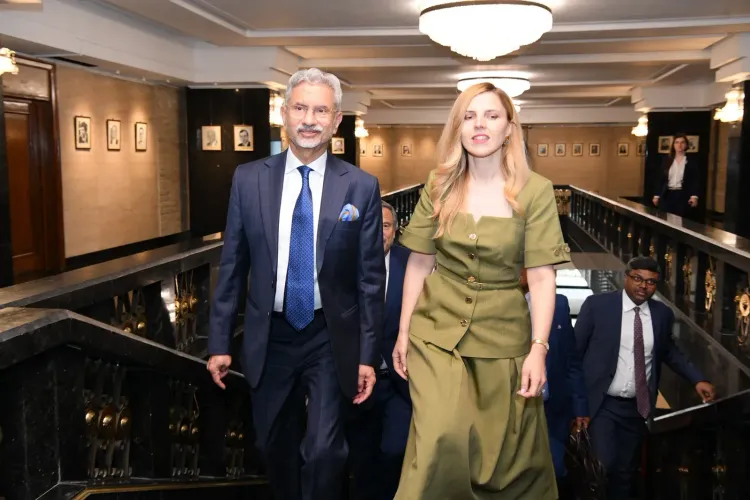
External Affairs Minister Dr. S. Jaishankar met Bulgarian FM Velislava Petrova-Chamova on 10 June 2026, reviewing the full spectrum of India-Bulgaria ties and identifying new cooperation avenues in defence, AI, pharmaceuticals, mobility, and education amid ongoing India-EU FTA negotiations.
Key Takeaways
Jaishankar met Bulgarian FM Velislava Petrova-Chamova on 10 June 2026 in a wide-ranging bilateral meeting.
Talks covered the Strategic and Defence Partnership , the Comprehensive Mobility Cooperation Framework , and the ongoing India-EU FTA negotiations .
Key sectors identified for deeper cooperation include AI , pharmaceuticals , defence , science and technology , connectivity , and education .
India and Bulgaria have maintained diplomatic relations since 1954 ; Bulgaria has been an EU member since 2007 .
Both sides agreed to increase the frequency of political engagements to institutionalise the renewed bilateral dialogue.
The meeting reflects India's broader strategy of parallel outreach to EU member states to reinforce the India-EU Strategic Partnership.
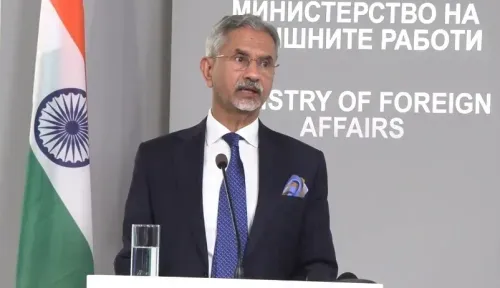
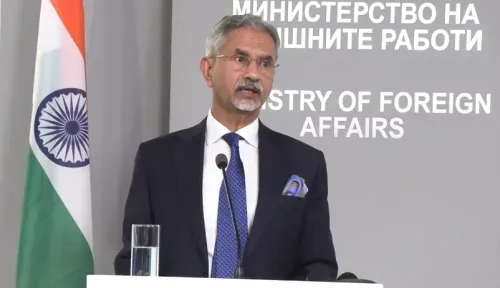
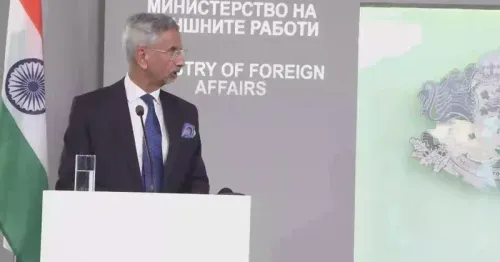
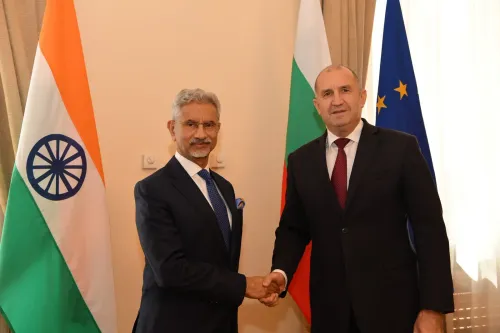
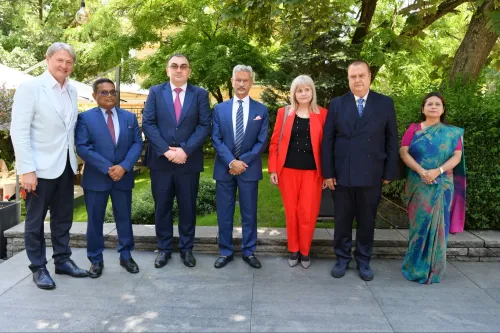
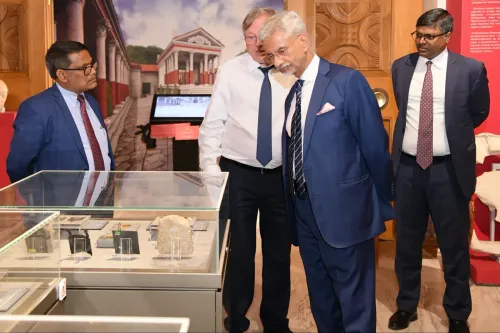
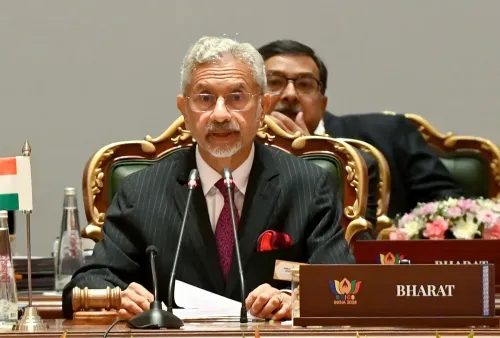
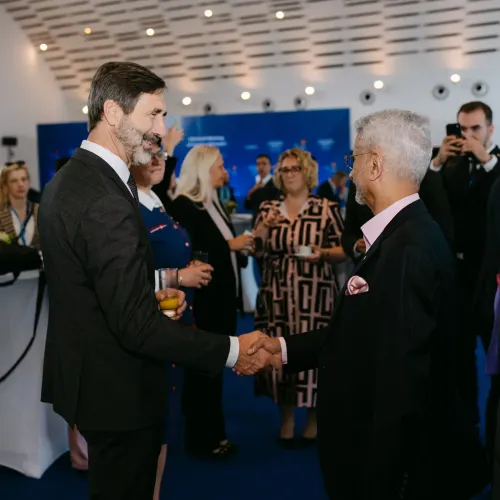
Union External Affairs Minister Dr. S. Jaishankar met Bulgarian Foreign Minister Velislava Petrova-Chamova on the evening of Wednesday, 10 June 2026, for wide-ranging talks that spanned the full breadth of bilateral relations and charted new ground for cooperation across trade, defence, technology, and mobility.
Context
In his post on X, Dr. Jaishankar said the two sides 'reviewed the full spectrum of India-Bulgaria relations and explored new avenues for cooperation, particularly in the context of the India-EU FTA negotiations conclusion, the Strategic and Defence Partnership, and the Comprehensive Mobility Cooperation Framework.' The meeting underscores New Delhi's practice of using bilateral engagements with individual EU member states to build momentum alongside the broader India-EU strategic process.
India and Bulgaria have maintained diplomatic relations since 1954, a partnership that has historically revolved around education, culture, and trade. Bulgaria joined the European Union in 2007, the same year India and the EU launched negotiations for a Broad-based Trade and Investment Agreement, giving the bilateral relationship an added multilateral dimension.
Policy Backdrop
The discussions, according to Dr. Jaishankar, centred on 'expanding economic engagement and strengthening collaboration in science and technology, artificial intelligence, pharmaceuticals, defence, connectivity, mobility, education, culture, and people-to-people exchanges.' The breadth of sectors signals an intent to modernise what has been a largely traditional partnership into a contemporary, forward-looking one.
India has increasingly pursued parallel outreach to Eastern European EU members as part of a strategy to build coalitions of support within the bloc ahead of larger multilateral milestones. Defence and emerging technologies — including AI — have emerged as new pillars in such engagements, reflecting shifts in both India's foreign policy priorities and Europe's own strategic recalibration since 2022.
Stakeholders and Impact
The sectors identified in the talks have direct implications for Indian pharmaceutical exporters, who count EU markets as a key destination, and for defence industry players on both sides exploring co-development and procurement opportunities. Academic institutions and mobility corridors — student and professional movement between the two countries — also stand to benefit from the Comprehensive Mobility Cooperation Framework flagged in the talks.
For Bulgarian businesses, deeper engagement with India's large and fast-growing economy offers diversification beyond the EU's internal market. The emphasis on increasing the frequency of political engagements suggests the two governments intend to institutionalise this dialogue rather than treat it as a one-off meeting.
What's Next
Both ministers affirmed that 'India and Bulgaria are committed to transforming our longstanding friendship into a contemporary and forward-looking partnership.' The immediate watch-point is progress on the India-EU Free Trade Agreement, where conclusion of negotiations would give bilateral commitments a binding multilateral framework. Scheduled political consultations and any follow-on defence or science-and-technology dialogues between New Delhi and Sofia will be the next indicators of how quickly this renewed engagement translates into concrete outcomes.
Point of View
New Delhi systematically cultivates individual member states to build goodwill and bilateral deliverables that can accelerate the multilateral process. Bulgaria, as a smaller Eastern European EU member with historically warm ties to India, is a relatively low-friction partner where New Delhi can demonstrate concrete progress in defence and mobility — sectors that matter to the EU's own strategic agenda. The explicit mention of AI and pharmaceuticals alongside traditional people-to-people links signals that India is positioning this relationship as part of its technology-diplomacy push, not merely a legacy friendship. Watching whether a formal defence or S&T agreement follows will reveal how substantive this reset truly is.
NationPress
25 Oct 2026
Frequently Asked Questions
Why did Jaishankar meet the Bulgarian Foreign Minister?
Dr. Jaishankar met Bulgarian FM Velislava Petrova-Chamova on 10 June 2026 to review the full range of India-Bulgaria bilateral relations and explore new cooperation in defence, AI, pharmaceuticals, mobility, and education, also in the context of ongoing India-EU FTA negotiations.
What is the India-EU FTA and where do negotiations stand?
The India-EU Free Trade Agreement, formally the Broad-based Trade and Investment Agreement, has been under negotiation since 2007. The talks are ongoing, and conclusion of negotiations remains a key milestone both sides are working toward.
What is the Comprehensive Mobility Cooperation Framework between India and Bulgaria?
The Comprehensive Mobility Cooperation Framework is a bilateral mechanism flagged by Dr. Jaishankar during his meeting with the Bulgarian FM, aimed at facilitating easier movement of students, professionals, and workers between India and Bulgaria.
When did India and Bulgaria establish diplomatic relations?
India and Bulgaria established formal diplomatic relations in 1954, making it a partnership of over seven decades that has covered education, culture, and trade.
What sectors did India and Bulgaria agree to strengthen cooperation in?
The two sides discussed expanding collaboration in science and technology, artificial intelligence, pharmaceuticals, defence, connectivity, mobility, education, culture, and people-to-people exchanges.