Jaishankar Visits Sofia's National Historical Museum
Synopsis
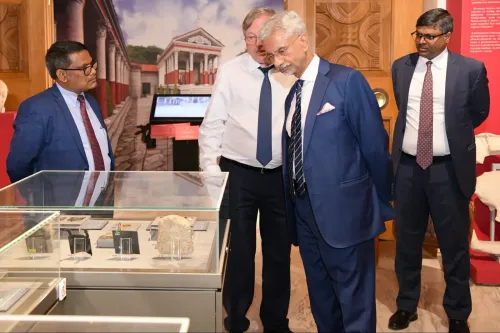
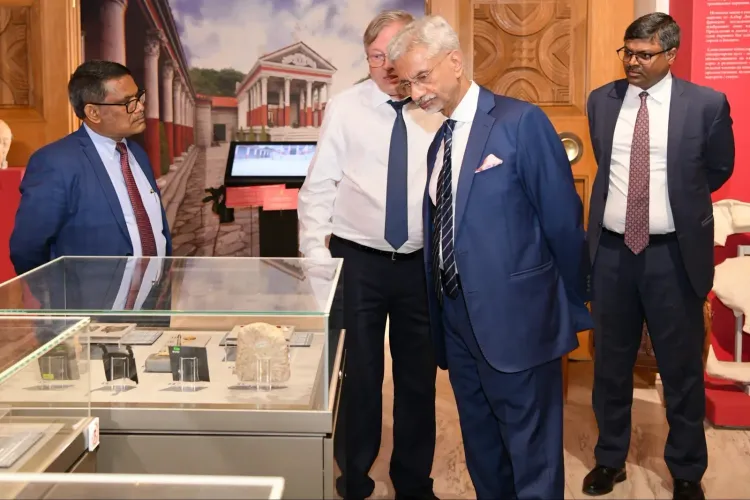
External Affairs Minister Dr. S. Jaishankar visited the National Historical Museum in Sofia on June 10, 2026, exploring Bulgaria's millennia-spanning artifact collection. The visit reflects India's practice of pairing high-level diplomatic travel with cultural engagement, particularly in Eastern Europe.
Key Takeaways
Jaishankar visited the National Historical Museum in Sofia on June 10, 2026 .
The museum is Bulgaria's largest , with collections spanning Thracian, Roman, medieval, and modern periods.
India and Bulgaria have maintained diplomatic relations since 1954 .
The visit is consistent with India's practice of pairing diplomatic travel with cultural diplomacy in Eastern Europe.
The most recent structured bilateral dialogue was the 2019 Joint Commission meeting .
Potential next steps include cultural exchange MoUs and a fresh round of India-Bulgaria political consultations .
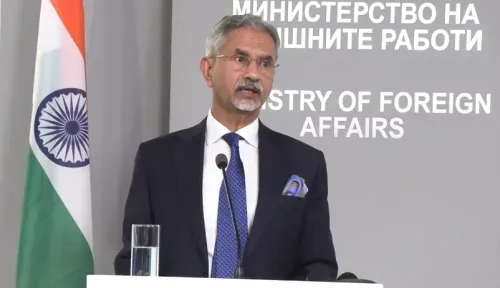
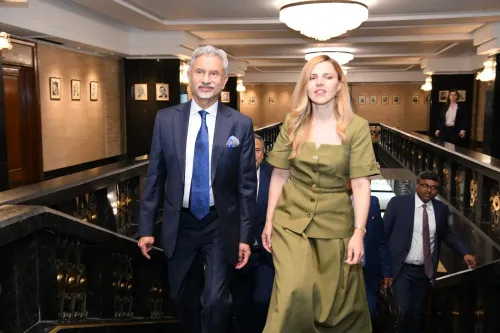
Union External Affairs Minister Dr. S. Jaishankar visited the National Historical Museum in Sofia, Bulgaria, on Wednesday, June 10, 2026, exploring its collection of artifacts spanning millennia as part of his engagement with the Eastern European nation.
Context
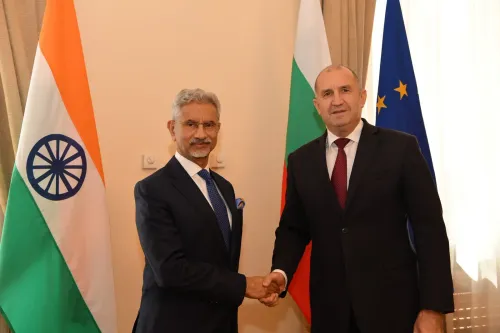
Dr. Jaishankar described the visit as an opportunity to gain 'a deeper appreciation of how Bulgaria has preserved the many facets of its rich history and cultural heritage.' The minister accompanied his post with the Indian and Bulgarian flags, signalling the bilateral character of the engagement. The National Historical Museum in Sofia is Bulgaria's largest museum, housing artifacts from Thracian, Roman, medieval, and modern periods.
Policy Backdrop
India and Bulgaria have maintained diplomatic relations since 1954, making theirs one of the longer-standing bilateral ties between India and an Eastern European state. The two countries held a Joint Commission meeting in 2019, the most recent high-level structured dialogue on record. Bulgaria is a member of the European Union, and New Delhi has in recent years sought to deepen engagement with EU member states beyond the larger Western European economies.
Jaishankar's stop at a cultural institution follows an established pattern in Indian diplomatic practice, where high-level overseas visits are paired with people-to-people and cultural outreach. Such gestures are seen as reinforcing the softer dimensions of bilateral ties, particularly with post-communist nations in Central and Eastern Europe where India's strategic footprint has historically been modest.
Stakeholders and Impact
The visit carries relevance for cultural institutions and external affairs officials on both sides who have been working to expand the scope of India-Bulgaria engagement beyond trade and consular matters. For Bulgaria, a ministerial-level visit from India represents an opportunity to raise its profile in New Delhi's diplomatic calculus at a time when India is actively broadening its European partnerships. For India, the visit reinforces the message that its European outreach is not confined to the continent's major powers.
People-to-people links, including cultural exchanges, academic cooperation, and diaspora engagement, have been identified as priority areas in India's broader European strategy. A museum visit by the External Affairs Minister, while ceremonial in nature, publicly signals respect for the host nation's civilisational heritage — a gesture that carries diplomatic weight in bilateral optics.
What's Next
Observers will watch for any announcement of a cultural exchange memorandum of understanding or a date for the next round of India-Bulgaria political consultations. The broader trajectory of India's engagement with EU member states in Eastern Europe is expected to remain an active thread in New Delhi's foreign policy calendar. Whether Dr. Jaishankar's Sofia visit is accompanied by formal bilateral meetings with Bulgarian counterparts will determine its longer-term diplomatic significance.
Point of View
And ministerial-level visibility in capitals like Sofia helps correct that imbalance. With India's European outreach increasingly seeking to go beyond Berlin, Paris, and London, such stops carry a message about the breadth of New Delhi's continental ambitions. The bilateral flags in the post are a small but deliberate symbol of parity and mutual respect.
NationPress
26 Oct 2026
Frequently Asked Questions
Why did Jaishankar visit Bulgaria in June 2026?
Dr. S. Jaishankar visited Bulgaria as part of a diplomatic engagement that included a stop at the National Historical Museum in Sofia on June 10, 2026, reflecting India's broader outreach to EU member states in Eastern Europe.
What is the National Historical Museum in Sofia?
The National Historical Museum in Sofia is Bulgaria's largest museum, housing a vast collection of artifacts from Thracian, Roman, medieval, and modern periods of Bulgarian history.
What are India-Bulgaria diplomatic relations like?
India and Bulgaria have maintained diplomatic relations since 1954. The two countries held a Joint Commission meeting in 2019, and ties cover trade, consular affairs, and cultural exchange.
Is Bulgaria an EU member state?
Yes, Bulgaria has been a member of the European Union since 2007, which makes it a relevant partner in India's broader strategy of deepening ties across the EU.
What is cultural diplomacy in Indian foreign policy?
Cultural diplomacy refers to the use of cultural engagement — such as museum visits, people-to-people exchanges, and heritage outreach — to build goodwill alongside formal political and economic ties. India's External Affairs Ministry has made it a consistent feature of overseas ministerial visits.