Japan bear attacks 2025: 27 injured or killed across 9 prefectures
Synopsis
Japan is facing an alarming surge in bear attacks, with at least 27 people injured or killed across nine prefectures in a single fiscal year — four of them fatally. What makes this crisis stand out is not just the scale, but the geography: bears are now attacking people in urban neighbourhoods, shrine parking lots, and outside private homes, forcing school closures and tranquilisation operations in cities north of Tokyo.
Key Takeaways
At least 27 people have been injured or killed by bears across nine prefectures in Japan during the current fiscal year as of 11 June .
The Ministry of the Environment confirmed four deaths from bear attacks.
Fukushima recorded the highest toll with eight casualties; Akita followed with five .
At least 11 of the 27 victims were attacked within human living areas, including urban districts and near homes.
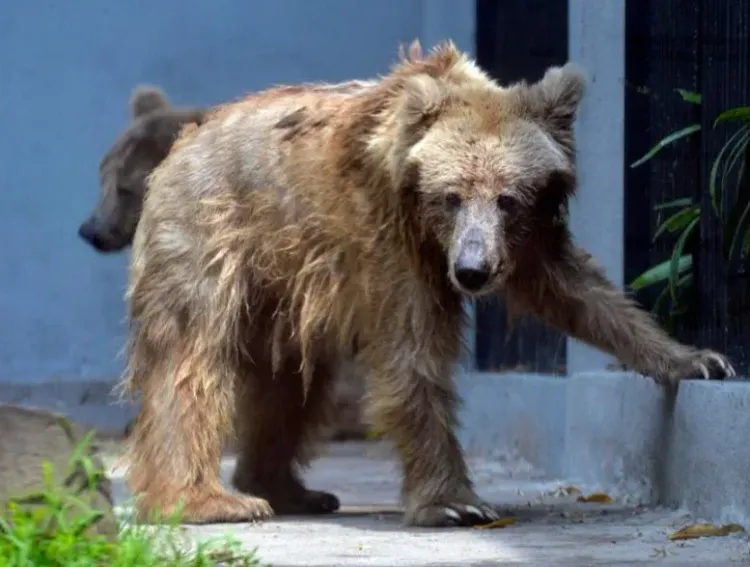
A roughly 100 kg bear was tranquilised in Utsunomiya City after four days of sightings, triggering closure of all 94 municipal schools.
At least nine victims, including three of the deceased, were attacked while gathering wild edible plants in forests.
Bear attacks have left at least 27 people injured or dead across nine prefectures in Japan during the current fiscal year as of Wednesday, 11 June, according to a tally by a public broadcaster. The Ministry of the Environment has confirmed that four of the victims died from their injuries.
Prefectures Hit Hardest
Fukushima recorded the highest number of casualties at eight, followed by Akita with five and Iwate with four. Yamagata and Toyama each reported three victims, while Tokyo, Niigata, Hokkaido, and Miyagi each recorded one.
Attacks Inside Human Living Areas
At least 11 of the 27 victims were attacked within human living areas — including urban districts, farmland, and the immediate vicinity of private homes. On 2 June, four people were injured in a series of bear attacks in a mixed residential and commercial neighbourhood of Fukushima City.
On Tuesday, an elderly woman in her 80s in Yurihonjo City, Akita Prefecture, sustained injuries to her arm and other areas after encountering a bear directly in front of her home. The same day, a woman was attacked by a bear at a shrine parking lot in a mountainous area of Hanamaki City, Iwate Prefecture, suffering injuries to her face and shoulder.
Forest Attacks Linked to Plant Gathering
At least nine people — including three of those who died — are believed to have been attacked while visiting forests or mountainous areas to gather wild edible plants. This pattern points to a recurring seasonal risk: bear encounters spike in spring and early summer when foragers venture into wooded terrain that overlaps with bear habitats.
Bears Sighted in Urban Areas
Authorities have recorded a rise in bear sightings within urban zones, heightening public alarm. On Tuesday, a roughly 100 kg bear was cornered and tranquilised in Utsunomiya City, Tochigi Prefecture, north of Tokyo, after four days of repeated sightings. The incident prompted the temporary closure of all 94 municipal elementary and junior high schools in the city. Separately, another bear was captured on Wednesday night near Amanohashidate, a prominent scenic spot in Kyoto Prefecture.
Government Safety Guidance
The Ministry of the Environment has urged residents to carry radios or bear bells, travel in groups, make deliberate loud noises in areas with poor visibility, avoid leaving food waste or other attractants, and regularly check bear sighting updates issued by local governments. Authorities are treating the trend as a serious and escalating public safety concern, with urban encroachment by bears signalling a shift in animal behaviour that wildlife managers will need to address systematically.
Point of View
Expanding bear habitats, and a cultural tradition of forest foraging that puts civilians in harm's way each spring. The fact that nearly half the victims were attacked inside human living areas, not deep in the wilderness, signals that conventional wildlife management — fencing, culling, signage — is no longer sufficient. Japan's ageing rural population is particularly exposed: elderly residents gathering plants or tending farmland are among the most vulnerable. Without a coordinated national response that goes beyond the Ministry of the Environment's current advisory-level guidance, the casualty count will keep rising each fiscal year.
NationPress
26 Oct 2026
Frequently Asked Questions
How many people have been attacked by bears in Japan this year?
At least 27 people have been injured or killed by bears across nine prefectures in Japan during the current fiscal year, as of Wednesday, 11 June. The Ministry of the Environment has confirmed four deaths among the victims.
Which prefecture has recorded the most bear attack casualties in Japan?
Fukushima has recorded the highest number of casualties at eight, followed by Akita with five and Iwate with four. Yamagata and Toyama each reported three victims.
Are bears now entering urban areas in Japan?
Yes, bear sightings in urban areas have increased sharply. A roughly 100 kg bear was tranquilised in Utsunomiya City, Tochigi Prefecture, after four days of repeated sightings, and another bear was captured near the scenic spot Amanohashidate in Kyoto Prefecture.
What precautions is the Japanese government recommending against bear attacks?
The Ministry of the Environment advises people to carry radios or bear bells, travel in groups, make loud noises in areas with poor visibility, avoid leaving food waste that could attract bears, and check local government bear sighting alerts regularly.
Why are so many bear attacks happening in Japan?
A significant number of victims — at least nine, including three of the four who died — were attacked while gathering wild edible plants in forests or mountainous areas, a common seasonal activity. Rising bear sightings in urban zones also suggest bears are increasingly venturing outside their traditional habitats.