Former Japan PM Advocates for Seoul-Tokyo Alliance to Reopen Strait of Hormuz at UN
Synopsis
On April 8, Former Japanese Prime Minister Shigeru Ishiba emphasized the importance of South Korea and Japan collaborating at the UN to address global supply disruptions caused by the conflict in Iran. His call for action includes a proposal for a strategic military agreement to enhance regional stability.
Key Takeaways
Shigeru Ishiba emphasizes the need for Japan and South Korea to collaborate at the UN .
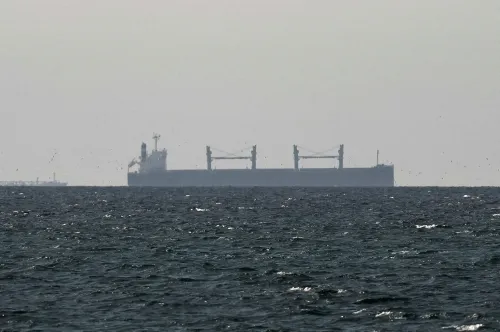
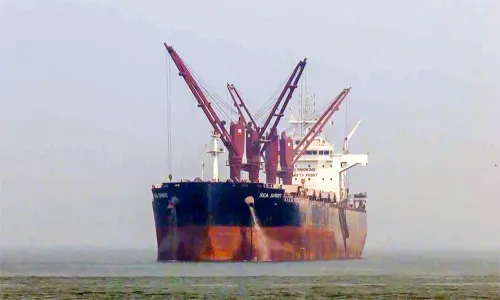
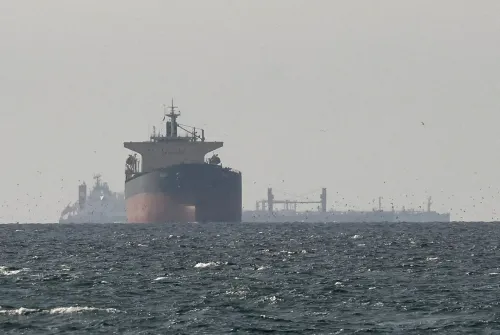
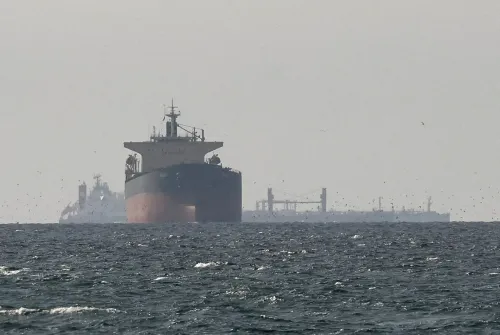
The Strait of Hormuz is crucial for global energy supply, affected by Iran's blockade.
A proposed ACSA could strengthen military cooperation between the two nations.
Trilateral collaboration with the U.S. is essential to counter North Korean threats.
Ishiba promotes a NATO-style security framework for Asia.
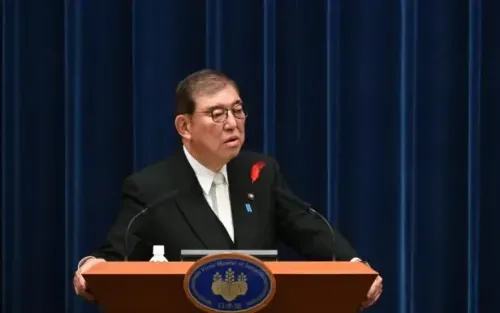
Seoul, April 8 (NationPress) Former Prime Minister of Japan, Shigeru Ishiba, urged on Wednesday for collaborative efforts between South Korea and Japan at the UN level to facilitate the reopening of the Strait of Hormuz. This call comes amid escalating supply chain issues due to the ongoing conflict in Iran, which are significantly impacting the global economy.
During a forum held in Seoul, Ishiba highlighted the critical blockade by Iran of this essential shipping route, which is responsible for approximately 20% of global energy supplies. He emphasized that the repercussions of this situation extend beyond a few nations, posing a substantial threat to worldwide stability.
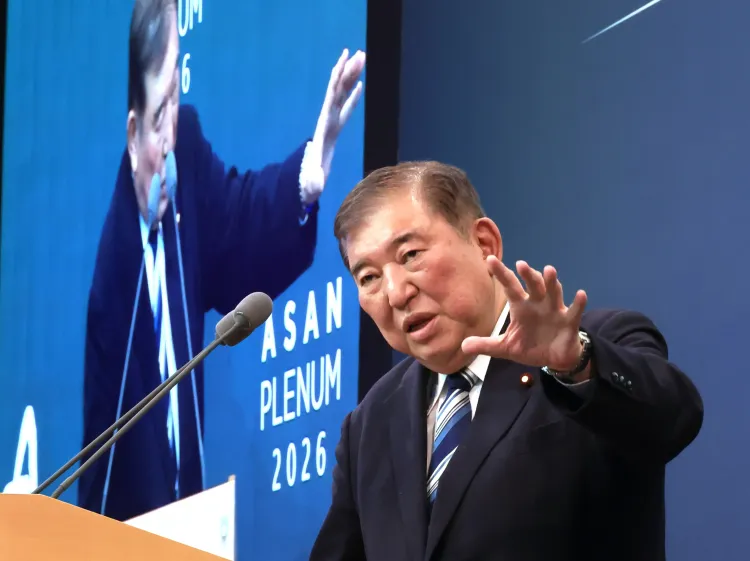
"The violent conflict in Iran must cease immediately," Ishiba stated in his keynote address at the Asan Plenum, organized by the Asan Institute of Policy Studies, with an interpreter facilitating his speech.
"This issue should be treated as a security concern in accordance with UN resolutions. Nations that share similar views, including Japan and South Korea, need to unite and lead discussions at the UN regarding this matter," he continued.
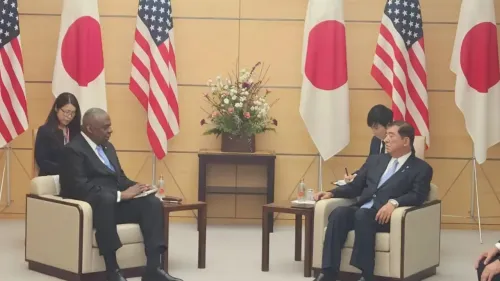
Looking towards deepening cooperation, Ishiba suggested that South Korea and Japan should contemplate signing an Acquisition and Cross-Servicing Agreement (ACSA) as a logical next step in their bilateral relations.
He asserted, "Close collaboration between South Korea and Japan is crucial for maintaining both regional and global peace." He added, "I regard the signing of a Japan-Korea ACSA as a significant objective."
The ACSA refers to an agreement between the U.S. and its partners to streamline the sharing of logistical supplies and services, including food, fuel, and transportation, during military operations or training, as reported by Yonhap news agency.
Under previous conservative administrations, the concept of signing an ACSA with Japan saw limited support in South Korea, largely due to the sensitivity surrounding concerns that it could permit Japan's Self-Defense Forces to engage in operations within the Korean Peninsula.
In light of North Korean threats, Ishiba emphasized the necessity of strengthening trilateral cooperation among South Korea, the U.S., and Japan to enhance deterrence against Pyongyang's advancing nuclear and missile capabilities.
"It is imperative that coordination among South Korea, the United States, and Japan, along with bilateral partnerships between Korea and Japan, and Korea and the U.S., is intensified more urgently than ever to optimize deterrence effectiveness," he stated.
Ishiba, who has been a proponent of establishing a collective defense framework in Asia akin to a NATO structure, reaffirmed his stance. "To develop a robust security cooperation framework that could potentially evolve into a NATO-style alliance, I consider this a highly viable option... It is worth contemplating scenarios that might also include South Korea and the Philippines," he concluded.
Point of View
It’s vital to recognize the urgency of Ishiba's call for collaboration between South Korea and Japan. His emphasis on addressing the crisis in the Strait of Hormuz reflects a significant geopolitical concern that warrants immediate attention. This cooperation could play a crucial role in stabilizing the regional and global economic landscape.
NationPress
19 Oct 2026
Frequently Asked Questions
Why is the Strait of Hormuz important?
The Strait of Hormuz is a critical maritime route for global oil transportation, accounting for about 20% of the world's oil supply, making it vital for the global economy.
What are the implications of the Iran conflict?
The ongoing conflict in Iran has led to significant supply chain disruptions, affecting global energy prices and economic stability.
How does Ishiba suggest addressing North Korean threats?
Ishiba advocates for enhanced trilateral cooperation among South Korea, the U.S., and Japan to strengthen deterrence against North Korea's nuclear and missile advancements.
What is Ishiba's vision for Asian security?
Ishiba envisions a collective defense framework in Asia similar to NATO, aiming to enhance regional security cooperation.