Jeju Province sends dialysis machines, citrus saplings to North Korea
Synopsis
For the first time in over a decade as a structured programme, South Korea's Jeju Province has shipped dialysis machines, citrus saplings, and forestry supplies to North Korea — routed via China — in a phased cooperation deal quietly agreed in February. The province has not yet received confirmation from Pyongyang that the goods arrived, and an unconfirmed report of the governor meeting a North Korean intelligence operative in Beijing adds an unresolved dimension to the initiative.
Key Takeaways
Jeju provincial government sent supplies worth 160 million won (US$104,000) to North Korea, confirmed on 8 June .
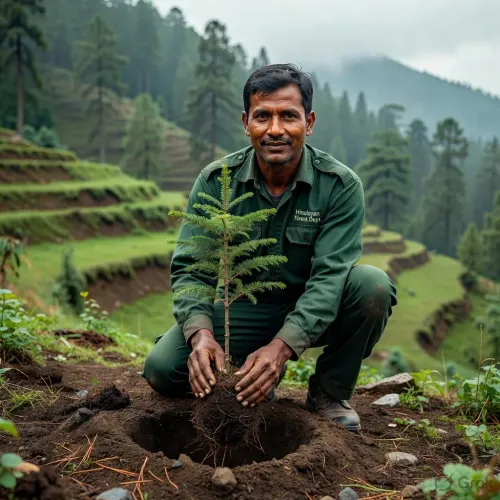
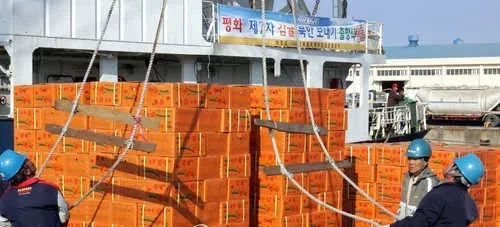
Items included dialysis machines , Hallabong citrus saplings , and forestry pesticide , shipped via the Chinese port of Dalian .
Goods departed Incheon on 1 April and arrived at Nampho on 4 May ; North Korea has not yet formally confirmed receipt.
The project was agreed in February between a Jeju delegation and North Korean officials, with phases covering tangerines, medical welfare, forest pest control, pig farming, and tourism.
Structured inter-Korean cooperation from Jeju had been suspended since 2010 , when a North Korean torpedo attack sank a South Korean warship, killing 46 sailors .
The Jeju government declined to confirm reports that Governor Oh Young-hun met North Korean intelligence operative Ri Ho-nam in Beijing in February.
South Korea's Jeju provincial government has dispatched dialysis machines, Hallabong citrus saplings, forestry pesticide, and other supplies to North Korea as part of a revived inter-Korean cooperation initiative, the province confirmed on Monday, 8 June. The consignment, valued at 160 million won (approximately US$104,000), marks one of the more substantive cross-border exchanges in recent years.
How the Shipment Reached North Korea
The goods departed South Korea's western port of Incheon on 1 April and were routed through the Chinese port of Dalian before arriving at North Korea's western port of Nampho on 4 May, according to the provincial government. The Jeju government submitted its application to the Unification Ministry on 9 March to obtain the necessary clearances for the transfer.
What Was Sent and Why
The package included medical dialysis equipment, forestry pest-control chemicals, and saplings of Hallabong — a variety of citrus fruit cultivated on Jeju island. The items were channelled through a North Korean support group for the disabled. Notably, the provincial government said it has yet to receive formal confirmation from the North Korean side that the goods have been received.
Background: How This Project Began
The cooperation push was initiated after Jeju Governor Oh Young-hun discussed inter-Korean projects with Unification Minister Chung Dong-young during a meeting last November. In February, a Jeju provincial delegation met North Korean officials and reached a phased agreement: the first phase would focus on tangerines, medical welfare, and forest pest control, with subsequent phases expanding to pig farming and tourism.
However, the Jeju government declined to confirm a local media report that Governor Oh met Ri Ho-nam — a North Korean intelligence operative — in Beijing in February. Ri is reportedly linked to a 2019 North Korea remittance case in which prosecutors alleged that a former chairman of underwear manufacturer Ssangbangwool illegally delivered $700,000 to Ri at a hotel in Manila, the Philippines.
A Long Pause in Cooperation
Jeju's inter-Korean cooperation history stretches back decades. Under earlier projects, the island province sent 48,000 tonnes of tangerines and 18,000 tonnes of carrots to North Korea between 1998 and 2010. Those programmes were suspended after the 2010 sinking of a South Korean warship, attributed to a North Korean torpedo attack in the Yellow Sea, which killed 46 South Korean sailors. Limited one-off tangerine shipments did occur in 2018 and 2021, but a structured programme had not resumed until now.
What Comes Next
With the first phase of supplies now reportedly delivered, attention turns to whether North Korea will formally acknowledge receipt and engage on the agreed expansion to pig farming and tourism cooperation. The absence of confirmation from Pyongyang remains a key uncertainty, and the diplomatic sensitivity around Governor Oh's reported Beijing meeting adds a layer of political complexity to what the province has framed as a humanitarian and agricultural initiative.
Point of View
And it proceeded through back-channel diplomacy — a Dalian routing, a disability-support intermediary, and a Beijing meeting the governor will not confirm. The unresolved question of whether Pyongyang has acknowledged receipt is not a bureaucratic footnote; it signals how fragile the channel remains. The shadow of the Ssangbangwool remittance case over Ri Ho-nam means any confirmation of that Beijing meeting would carry serious domestic political consequences for Governor Oh. Seoul's broader unification policy will be watching whether this phased model — humanitarian first, economic later — can survive its own opacity.
NationPress
24 Sept 2026
Frequently Asked Questions
What did Jeju Province send to North Korea?
Jeju Province sent dialysis machines, Hallabong citrus saplings, and forestry pesticide to North Korea as part of a phased inter-Korean cooperation project. The consignment was valued at 160 million won (approximately US$104,000).
How did the supplies reach North Korea?
The goods were shipped from South Korea's Incheon port on 1 April, routed through the Chinese port of Dalian, and arrived at North Korea's Nampho port on 4 May. The indirect route via China is standard for such cross-border transfers given restricted direct links.
Why were inter-Korean cooperation projects from Jeju suspended?
The projects were halted following the 2010 sinking of a South Korean warship, which was attributed to a North Korean torpedo attack in the Yellow Sea and killed 46 South Korean sailors. Structured cooperation had not resumed as a programme until this initiative.
Who is Ri Ho-nam and why does it matter?
Ri Ho-nam is a North Korean intelligence operative reportedly linked to a 2019 remittance case in which prosecutors alleged that a former Ssangbangwool chairman illegally delivered $700,000 to him in Manila. The Jeju government declined to confirm local media reports that Governor Oh met Ri in Beijing in February, making the claim politically sensitive.
What are the next phases of the cooperation agreement?
The first phase covers tangerines, medical welfare, and forest pest control — which this shipment addresses. Subsequent phases are agreed to expand into pig farming and tourism cooperation, though progression depends on North Korean engagement and formal acknowledgement of the initial delivery.