JUI-F crackdown in Sargodha sparks Pakistan highway blockades
Synopsis
A police crackdown before one rally in Sargodha has turned into a nationwide standoff. Senior JUI-F leaders were detained and workers blocked motorways from Peshawar to Lahore. Even ruling ally Bilawal Bhutto Zardari has condemned the curbs, a sign of cracks inside Pakistan's governing coalition.
Key Takeaways
Senior JUI-F leaders, including Maulana Abdul Ghafoor Haideri , were detained ahead of a planned gathering in Sargodha , Punjab.
Police said the leaders were served notices for violating Section 144 imposed across the division.
Maulana Fazlur Rehman said containers were placed outside his Lahore house and urged workers to take to the streets.
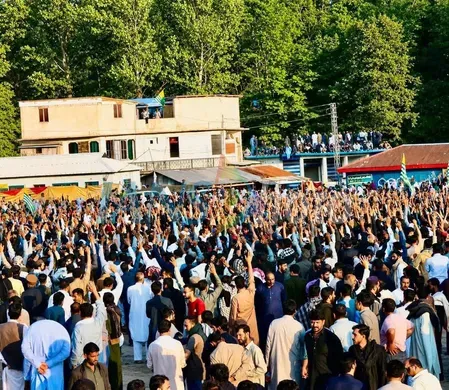
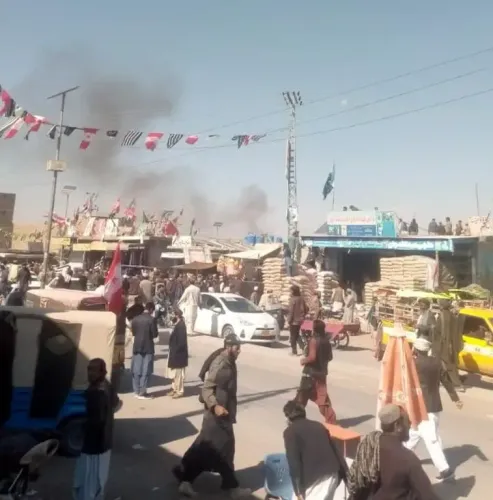
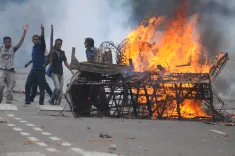
Workers blocked the Peshawar Motorway , the Lahore-Islamabad Motorway near Bhera , and highways in Balochistan .
PPP Chairman Bilawal Bhutto Zardari , a ruling-coalition ally, condemned the restrictions.
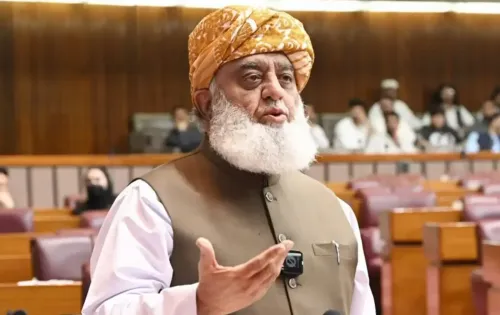
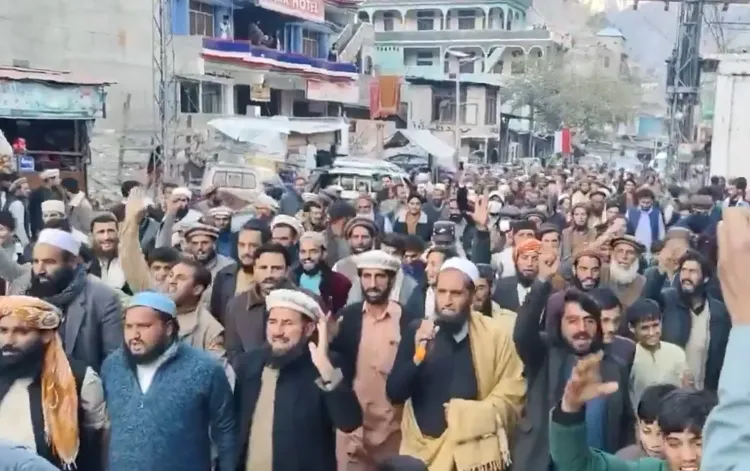
A crackdown on Jamiat Ulema-e-Islam-Fazl (JUI-F) leaders ahead of a planned public gathering in Sargodha, in Pakistan's Punjab province, has grown into a wider confrontation over provincial autonomy, political freedoms and the federal government's handling of criticism, according to a report. Several senior JUI-F figures were detained for allegedly violating curbs on public gatherings. Party workers responded by blocking key motorways and highways across the country.
Key Developments in Sargodha
According to a report in the Thailand daily Page 3 News, senior JUI-F leaders, reportedly including party chief Maulana Fazlur Rehman and Secretary-General Maulana Abdul Ghafoor Haideri, were detained ahead of the Sargodha event. Police said the detentions were over alleged violations of restrictions on public gatherings.
Sargodha Regional Police Officer Sohail Sukhera said that Haideri, JUI-F Punjab chief Maulana Amjad Khan and Jamiat Talaba-e-Islam central president Malik Awais were detained at a house. They were served notices for violating Section 144, which had been imposed across the division, the report said, citing Dawn. Police also detained several local JUI-F workers in Khushab.
The JUI-F described the detentions as arrests and demanded the immediate release of its members.
What the JUI-F Said
JUI-F spokesperson Aslam Ghouri accused the Punjab administration of deliberately obstructing the party's conference in Sargodha. He also alleged that raids were carried out at the homes of party office-bearers. Ghouri asked why opposition parties were being stopped from holding gatherings while lawmakers from the ruling party continued to hold public events.
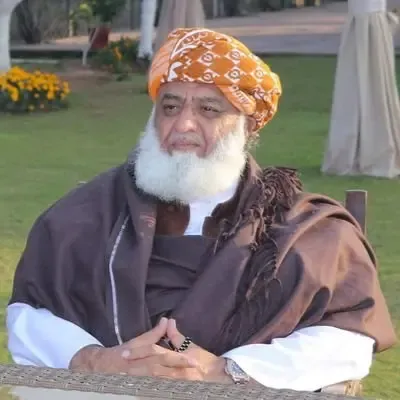
Fazlur Rehman did not call off the Sargodha event and urged party workers to take to the streets. He said authorities had blocked several routes into Sargodha and placed containers outside his house in Lahore to restrict his movement. He added that police had taken control of the conference venue. Rehman described the restrictions as an attempt to stop his party from exercising its constitutional and democratic rights.
Motorways and Highways Blocked
Major roads were disrupted after Rehman's call. JUI-F workers reportedly blocked the Peshawar Motorway, and traffic from Islamabad towards Peshawar stopped near the Peshawar Toll Plaza. Senator Atta-ul-Haq Darvesh joined party workers there.
JUI-F senator Atta-ur-Rehman blocked the Lahore-Islamabad Motorway near the Bhera Interchange, and traffic was suspended at several interchanges. Party workers also blocked major highways in Balochistan.
Political Context and Cracks in the Ruling Camp
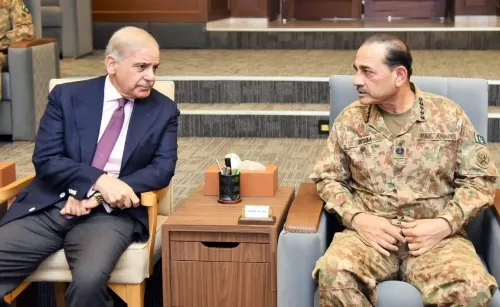
The restrictions are the latest sign of worsening ties between Fazlur Rehman and the government. He was once a key ally in the Pakistan Democratic Movement (PDM) coalition that removed Imran Khan from power in 2022. He has since moved into opposition and has grown more vocal in challenging army chief Asim Munir's role in politics.
According to the report, his criticism sharpened after the government suspended the Pakistan Tehreek-e-Insaf (PTI)-led government in Khyber Pakhtunkhwa and imposed governor's rule in the province.
The dispute has also opened differences within the governing camp. Pakistan People's Party (PPP) Chairman Bilawal Bhutto Zardari, whose party is a key ally of the ruling Pakistan Muslim League-Nawaz (PML-N), condemned the reported restrictions on Fazlur Rehman. He said opposition lawmakers should have the space to criticise the government.
The report warned that “with roads blocked, political tempers rising and opposition parties finding common ground, the Sargodha standoff risks becoming another flashpoint in Pakistan's already fractured governance.”
Whether Islamabad eases the curbs or tightens them further could decide if the standoff stays contained or becomes a broader opposition movement.
Point of View
Which usually amplifies it instead. Fazlur Rehman helped remove Imran Khan in 2022 and now openly challenges Asim Munir's political role, a sign of how narrow the space for criticism has become even for former allies. The bigger story is Bilawal Bhutto Zardari breaking ranks, which shows the PML-N-led arrangement is less cohesive than it looks. For India, an unsettled Pakistan, with governor's rule in Khyber Pakhtunkhwa and street mobilisation in Punjab and Balochistan, means a neighbour whose decisions will likely be shaped more by the army than by elected leaders.
NationPress
29 Nov 2026
Frequently Asked Questions
Why were JUI-F leaders detained in Sargodha?
Police said JUI-F leaders were detained for allegedly violating restrictions on public gatherings, including Section 144 imposed across Sargodha division. The detentions came ahead of a planned JUI-F public gathering in the city.
Which JUI-F leaders were detained?
Sargodha RPO Sohail Sukhera said Maulana Abdul Ghafoor Haideri, Punjab chief Maulana Amjad Khan and Jamiat Talaba-e-Islam president Malik Awais were detained at a house. A report said party chief Maulana Fazlur Rehman was also among those held, while Rehman himself said containers had been placed outside his Lahore house to restrict his movement.
Which roads did JUI-F workers block?
JUI-F workers reportedly blocked the Peshawar Motorway near the Peshawar Toll Plaza and the Lahore-Islamabad Motorway near the Bhera Interchange. Major highways in Balochistan were also blocked.
How did Bilawal Bhutto Zardari react to the crackdown?
PPP Chairman Bilawal Bhutto Zardari condemned the reported restrictions on Fazlur Rehman and said opposition lawmakers should have the space to criticise the government. His stance is notable because the PPP is a key ally of the ruling PML-N.
Why has Fazlur Rehman turned against the Pakistan government?
Fazlur Rehman, once a key PDM ally that helped remove Imran Khan in 2022, has moved into opposition and grown critical of army chief Asim Munir's role in politics. His criticism reportedly intensified after governor's rule was imposed in Khyber Pakhtunkhwa.