Is Justice in Rural Pakistan Influenced by Power?
Synopsis
A stark exploration of justice in rural Pakistan reveals that it is often dictated by proximity to influence rather than evidence. This piece delves into the troubling realities faced by communities in Sindh, where social progress is met with intimidation and oppression, highlighting a disturbing cycle of corruption and fear.
Key Takeaways
Justice in rural Pakistan is often dictated by power dynamics.
Women’s empowerment initiatives face severe backlash from influential figures.
The legal system is riddled with corruption and inefficiency.
Victims struggle to receive protection and fair treatment.
Community development is often stifled by fear and intimidation.
Islamabad, Jan 28 (NationPress) Justice in various regions of rural Pakistan is determined not by the strength of evidence but rather by one’s closeness to power, according to a recent report. Typically, discussions surrounding justice in Pakistan unfold in courtrooms, legal reforms, constitutional provisions, and media outcries. Yet, the true nature of justice often plays out away from the scrutiny of cameras and commentary, as the report elaborates.
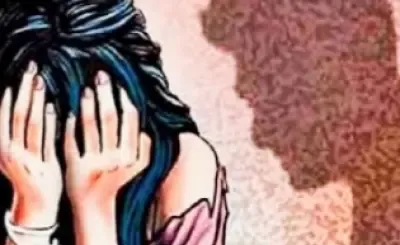
In a striking revelation, the prominent Pakistani newspaper Dawn reported that when influential political figures deemed that community development efforts had overstepped boundaries in rural Sindh, they did not object to corruption or inefficiency. Instead, they targeted concepts such as girls’ education, women’s employment, and women's leadership, labeling them as indicators of 'social vice.'
“Initially, their tactics were discreet. Groups of men positioned themselves on routes frequented by school buses and female staff, dressed provocatively, leering and taunting. Their goal was to instill humiliation — a reminder that public spaces were not for women. Is justice a commitment the state intends to uphold? When this approach failed, the intimidation escalated. Messengers appeared, demanding the surrender of property,” wrote rural development expert and social entrepreneur Naween A Mangi in her piece for Dawn.
“The message was unmistakable: relinquish your hard work and depart, or remain at your own peril. These threats were often accompanied by nightly gunfire. When questioned, the perpetrators casually claimed they were merely ‘killing doves.’ Eventually, the ambiguity faded. Gunshots were directed at security forces and personnel on multiple occasions. When the police were contacted for aid, one officer, upon showing up after a report was made, joked that they had ‘received nothing,’ implying that incentives were needed for action. Corruption was unmasked, lacking even a veneer,” she further explained.
The accused were quietly relocated as pressure mounted and speculation arose that the police might intervene. Influential landowners provided them with refuge while the targeted individuals remained in constant fear.
“In much of rural Pakistan, justice is dictated not by evidence but by the closeness to power. Subsequently, another assault occurred where a guard was shot at. Formal complaints were lodged, but for months, letters were sent — respectfully and repeatedly — to various police ranks: SP, SSP, DIG, IG. Not a single response was forthcoming. Silence, it appears, is also an institutional strategy,” stated the Dawn opinion piece.
After the case was brought before the court, those seeking protection were made to stand alongside their assailants. In court, there was no recognition of their risk or vulnerability. Instead, the court reprimanded the victims for ‘causing trouble’ by insisting that the accused appear multiple times, as if persistence was a transgression.
The report detailed that legal remedies were sought through higher courts in hopes of restoring some degree of fairness. However, this unveiled yet another layer of decay, as lawyers took advantage of the victims’ desperation. Court fees were inflated, and costs were manipulated. Even before entering the court, victims had faced financial exploitation by those intended to advocate for them.
“This illustrates the framework of injustice in Pakistan: police compromised by corruption and power, courts dulled by hierarchy and delays, and legal professionals operating in an environment where ethics are optional and repercussions are scarce. This system does not require a conspiracy to function. It thrives on apathy, fear, and the understanding that certain lives and causes are disposable,” Mangi concluded.
Point of View
I stand firmly with the belief that justice must be impartial and accessible to all. This report underscores the harsh realities faced by many in rural Pakistan, where the absence of genuine legal recourse creates a dangerous environment for those seeking to advance societal norms. It is critical that we highlight these injustices and advocate for a justice system that prioritizes fairness over influence.
NationPress
25 Sept 2026
Frequently Asked Questions
What factors influence justice in rural Pakistan?
In rural Pakistan, justice is often influenced by proximity to power rather than concrete evidence, leading to a system where the privileged can evade accountability.
How do political influences affect community development?
Political influences often obstruct community development by targeting progressive initiatives, such as women’s education and employment, labeling them as social vices.
What challenges do victims face in seeking justice?
Victims frequently encounter corruption within the police force and legal system, which can result in intimidation and financial exploitation during their pursuit of justice.