Latvia names Andris Kulbergs prime minister-designate after coalition collapse
Synopsis
Latvia's ruling coalition crumbled over a defence minister nomination — and the fallout has handed an opposition MP the keys to government formation. With elections just months away and a drone incursion exposing airspace vulnerabilities, President Rinkevics is betting that Andris Kulbergs can build a stable majority where the outgoing coalition could not.
Key Takeaways
Latvian President Edgars Rinkevics nominated opposition United List MP Andris Kulbergs as prime minister-designate on 17 May 2025 .
Outgoing PM Evika Silina of New Unity resigned after the three-party coalition collapsed over her nominee for defence minister, Colonel Raivis Melnis .
Defence Minister Andris Spruds had earlier stepped down after Ukrainian drones entered Latvian airspace from Russia and struck an oil storage facility.
Kulbergs must submit a coalition outline, party responsibilities, and a draft government declaration to the president by 25 May .
Latvia's parliamentary elections are scheduled for early October 2025 , adding urgency to the government formation process.
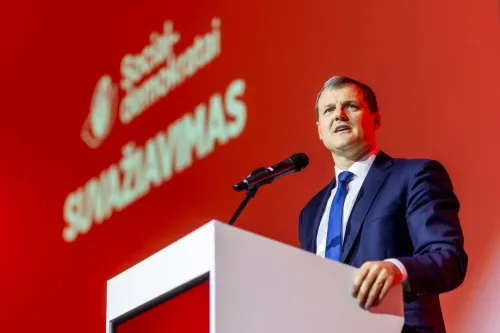
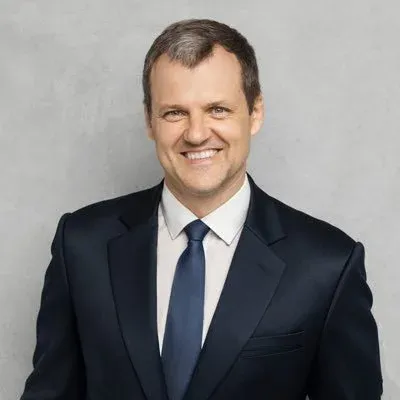
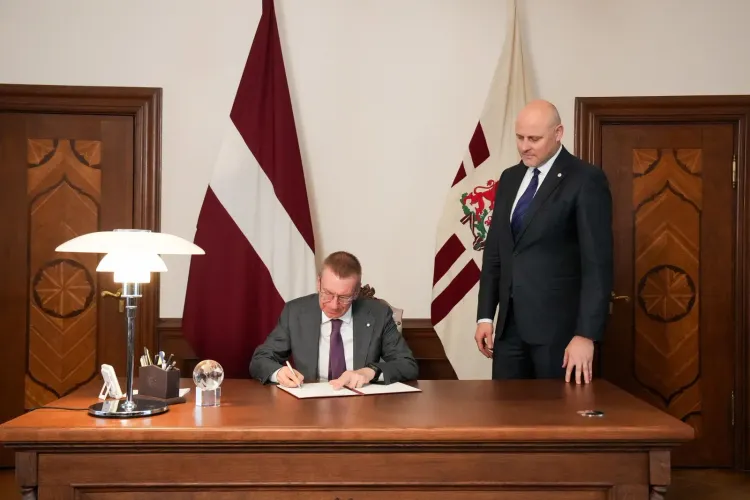
Latvian President Edgars Rinkevics on Saturday, 17 May 2025 nominated Andris Kulbergs, a member of parliament from the opposition United List party, as prime minister-designate, tasking him with forming a new government in Riga. The move follows the collapse of the three-party ruling coalition and the resignation of outgoing Prime Minister Evika Silina of New Unity.
How the Crisis Unfolded
Rinkevics said he conducted intensive consultations with representatives of all political parties and factions in the Saeima — Latvia's parliament — before arriving at his decision. He concluded that the political moment offered an opportunity to hand government formation to the opposition, citing both recent political dynamics and the need for a fresh approach. The nomination of an opposition figure to lead the next government is an unusual step, reflecting the depth of the current political impasse.
What Kulbergs Must Deliver by 25 May
Rinkevics has set a clear deadline: Kulbergs is expected to report significant progress by 25 May, including a specific coalition outline, the division of responsibilities among prospective partner parties, and a draft government declaration. The tight timeline reflects the urgency of restoring stable governance ahead of parliamentary elections scheduled for early October.
Why Silina Resigned
The coalition — comprising New Unity, the Progressives, and the Union of Greens and Farmers — unravelled after a dispute over the defence ministry portfolio. Silina had nominated Colonel Raivis Melnis to replace Andris Spruds, the Progressives' minister who stepped down following a serious security breach: Ukrainian drones crossed into Latvian airspace from Russia and struck an oil storage facility on Latvian territory, according to reports. Silina asked Spruds to resign on 10 May, stating that the defence sector's political leadership had 'failed to fulfil its promise of safe skies over our country.'
When her nominee for defence minister drew resistance within the coalition, Silina announced her own resignation on Thursday. In a pointed statement, she said: 'At this moment, political jealousy and narrow party interests have taken precedence over responsibility. Seeing a strong candidate for the post of defence minister [Colonel Raivis Melnis, whom Silina nominated to replace the resigned Progressives' minister Andris Spruds], political windbags have chosen a crisis — a government crisis. That is why I am announcing my resignation. This is not an easy decision, but it is the right decision in this situation.'
The Broader Stakes
Latvia's political turbulence comes at a sensitive moment for the Baltic nation, which shares a border with Russia and Belarus and has been among the most vocal advocates for robust European defence spending since Russia's full-scale invasion of Ukraine. A prolonged government vacuum — with elections only months away — risks slowing defence procurement decisions and complicating Latvia's NATO commitments. The drone incursion that triggered Spruds' resignation has also sharpened public debate about the adequacy of Baltic airspace monitoring. How Kulbergs navigates coalition negotiations in the coming days will determine whether Latvia can restore political stability before the October vote.
Point of View
And the political crisis it triggered has now consumed the very leadership responsible for responding to it. The next government will inherit both the security gap and the political wreckage simultaneously.
NationPress
15 Sept 2026
Frequently Asked Questions
Who is Andris Kulbergs and why was he nominated as Latvia's PM-designate?
Andris Kulbergs is a member of parliament from the opposition United List party. President Edgars Rinkevics nominated him on 17 May 2025 after concluding, through consultations with all Saeima factions, that the opposition offered the best chance of forming a stable new government following the collapse of the ruling coalition.
Why did Latvian Prime Minister Evika Silina resign?
Silina resigned after her three-party coalition fell apart over her nomination of Colonel Raivis Melnis as defence minister. Coalition partners resisted the pick, prompting her to announce her resignation, which she described as a response to 'political jealousy and narrow party interests' overriding national responsibility.
What role did the drone incursion play in Latvia's political crisis?
Defence Minister Andris Spruds resigned after Ukrainian drones crossed into Latvian airspace from Russia and hit an oil storage facility — a significant security breach. Silina had asked Spruds to step down on 10 May, citing the defence sector's failure to ensure safe skies. Her subsequent nomination of a replacement triggered the coalition dispute that led to her own resignation.
What is the deadline for Latvia's new PM-designate?
President Rinkevics has asked Kulbergs to report significant progress by 25 May 2025, including a specific coalition outline, the division of responsibilities among parties, and a draft government declaration.
When are Latvia's next parliamentary elections?
Latvia's parliamentary elections are scheduled for early October 2025. The government crisis has added urgency to the formation of a new administration, as the country needs stable leadership ahead of the vote.