Rubio warns against single-region energy dependence in Athens talks
Synopsis
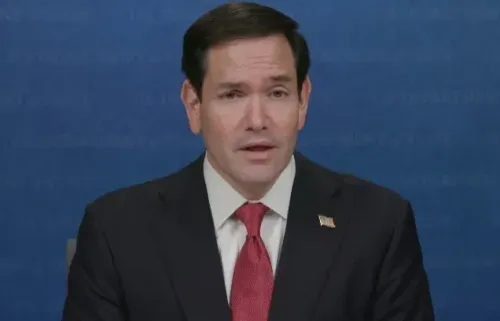
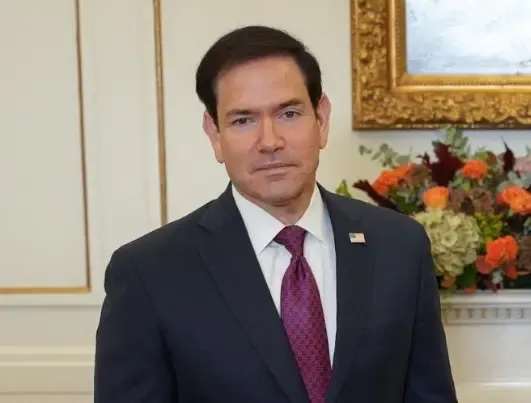
At a joint Athens press conference, US Secretary of State Marco Rubio put energy security at the centre of American foreign policy — warning that a world dependent on a single supply region is a world vulnerable to coercion. With Iran in the backdrop and the Strait of Hormuz under scrutiny, Rubio cast Greece's LNG corridors not as trade deals but as national-security infrastructure.
Key Takeaways
US Secretary of State Marco Rubio warned in Athens on 8 October 2026 that dependence on a single energy region threatens the global economy and national sovereignty.
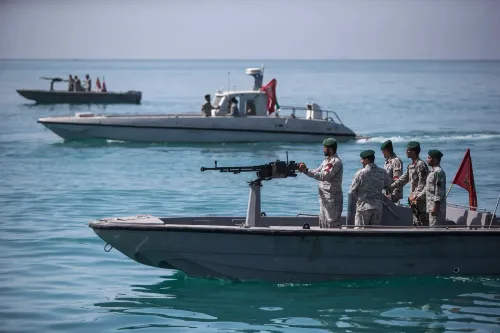
Rubio said 'energy security is tied to national security,' citing the Iran conflict and risks to the Strait of Hormuz .
Greek Foreign Minister Giorgos Gerapetritis highlighted the Vertical Corridor as a key route for American LNG into Europe; bilateral energy cooperation described as 'unprecedented.' Greek-owned vessels transport more than 20 per cent of global LNG shipments, underscoring Greece's strategic role.
Rubio reaffirmed US support for ExxonMobil and Chevron energy projects in Greece but declined to discuss diplomatic sensitivities publicly.
Greece signalled readiness to consider maritime assistance in the Strait of Hormuz if a viable peace process is in place.
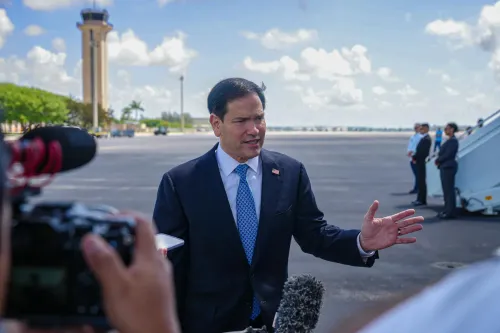
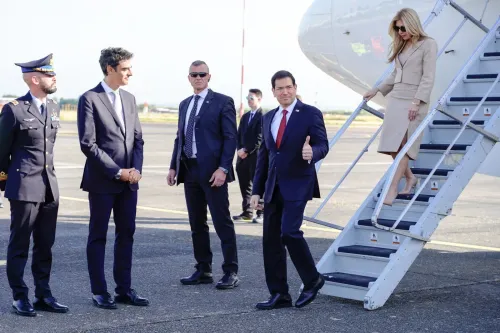
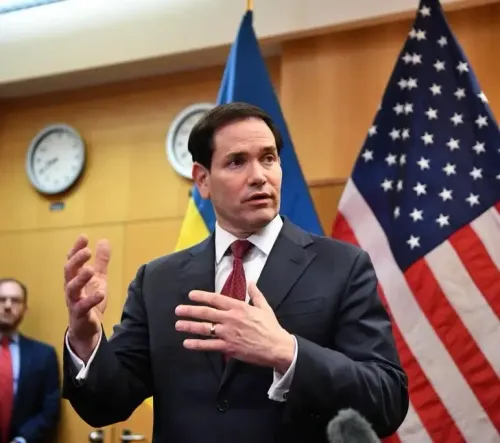
US Secretary of State Marco Rubio on 8 October 2026 warned that over-reliance on energy supplies from any single region poses a direct threat to the global economy and to the ability of nations to pursue independent foreign policies. Speaking alongside Greek Foreign Minister Giorgos Gerapetritis at a joint press conference in Athens, Rubio reaffirmed Washington's commitment to building alternative energy corridors and deepening partnerships that can shield international energy markets from geopolitical shocks.
Key Remarks from the Athens Presser
'We can never be in a situation where if energy is cut off or energy flows are cut off from one part of the world, the whole world is threatened,' Rubio said. He argued that excessive dependence on particular supply routes could undermine sovereign nations' ability to act in their own interests — a concern that has grown sharper as the conflict involving Iran continues to raise alarms about the security of the Strait of Hormuz.
'I would argue that energy security is tied to national security,' he added, pointing to Iran as a case study in how regional conflicts can expose critical vulnerabilities in global energy markets.
Greece as a Strategic Energy Hub
Greece has emerged as a pivotal node in Washington's strategy to expand American liquefied natural gas (LNG) exports to Central and Eastern Europe. Foreign Minister Gerapetritis highlighted the Vertical Corridor — an energy transportation network designed to route American LNG into European markets — as evidence that bilateral energy cooperation had reached an unprecedented level.
Gerapetritis also noted the growing footprint of American energy companies in Greece, including exploration for underwater hydrocarbon deposits. Notably, Greek-owned commercial vessels currently transport more than 20 per cent of LNG reaching global markets, underlining the country's outsized importance to international energy security.
US Support for Major Greek Energy Projects
When asked whether Washington would back key Greek energy initiatives — including ExxonMobil operations, Chevron exploration south of Crete, and proposed electricity interconnectors linking Greece, Egypt, Cyprus, and Israel — Rubio reaffirmed American support while acknowledging that some projects involved sensitive diplomatic questions concerning third countries.
He declined to name those countries or elaborate on the complications. 'I know we like to be transparent, but there are things in global affairs that are best not debated at press conferences, but handled at the table of dialogue,' Rubio said.
Maritime Security and the Strait of Hormuz
The Athens discussions also ranged across maritime security, freedom of navigation, and the protection of international supply chains. Gerapetritis said Greece was prepared to consider maritime assistance in the Strait of Hormuz if circumstances permitted and a viable peace process was in place, stressing that secure shipping lanes were essential not only for energy but for broader international trade and economic stability.
This comes amid a wider US-led effort to construct a more resilient global energy architecture — one that reduces the leverage any single hostile actor can exert over world markets. With European energy security still fragile following years of supply disruptions, the Athens meeting signals that Washington views Greece as a frontline partner in this longer-term strategic project.
Point of View
Particularly through the Strait of Hormuz, makes the American diversification push directly relevant to Indian energy planners. The broader pattern is one of energy statecraft hardening into formal alliance architecture.
NationPress
8 Oct 2026
Frequently Asked Questions
What did Marco Rubio say about global energy dependence?
Rubio warned that the world cannot afford to rely on energy supplies from a single region, arguing that such dependence allows hostile governments or conflicts to threaten the entire global economy. Speaking in Athens on 8 October 2026, he said 'energy security is tied to national security' and called for multiple energy corridors.
Why did Rubio single out Iran in his energy security remarks?
Rubio pointed to the ongoing conflict involving Iran as an example of how regional tensions can expose critical vulnerabilities in international energy markets, particularly given Iran's proximity to the Strait of Hormuz — through which a significant share of global oil and LNG transits.
What is Greece's role in the US energy security strategy?
Greece has become a key partner in Washington's push to route American LNG into Central and Eastern Europe, partly through the Vertical Corridor energy network highlighted by Foreign Minister Gerapetritis. Greek-owned vessels also transport more than 20 per cent of LNG reaching global markets, giving Athens outsized strategic weight.
Which US energy companies are active in Greece?
ExxonMobil and Chevron are among the American energy firms operating in or exploring opportunities in Greece, including hydrocarbon exploration south of Crete. Rubio reaffirmed US support for these projects, though he declined to discuss related diplomatic sensitivities publicly.
What did Greece say about the Strait of Hormuz?
Greek Foreign Minister Gerapetritis said Greece was prepared to consider maritime assistance in the Strait of Hormuz provided circumstances allowed and a viable peace process was in place. He stressed that secure shipping lanes are essential for both energy supplies and broader international trade stability.