Microsoft defends H-1B use as Trump bans its PERM green-card filings
Synopsis
The Trump administration has suspended Microsoft from the PERM green-card programme — a move that could freeze permanent residency pipelines for thousands of its foreign employees. Microsoft's rebuttal: 80% of its 6,000 H-1B filings were for people already on its payroll, not new arrivals. The standoff marks the most direct federal immigration action against a major US tech firm in years.
Key Takeaways
The Trump administration suspended Microsoft from the PERM programme, blocking it from sponsoring foreign workers for employment-based green cards.
Microsoft disclosed that 80% of its roughly 6,000 H-1B applications last fiscal year were for existing employees seeking extensions or status changes — not new hires.
The remaining applicants were already legally present in the US and represent just 1% of Microsoft's American workforce.
The suspension does not revoke existing H-1B visas or require any current employee to leave the country.
Microsoft said it pays H-1B workers the same as comparable American employees and is seeking a meeting with the administration to resolve the matter.
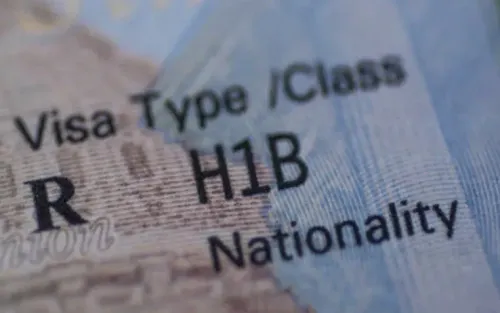
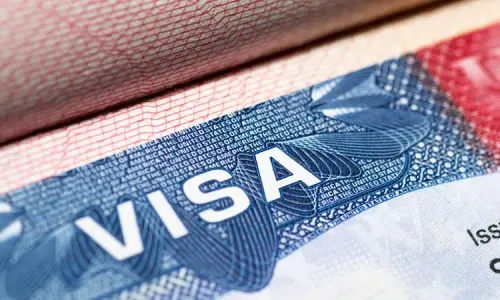
Microsoft has pushed back against the Trump administration's decision to suspend the company from the Permanent Labour Certification (PERM) programme, the mandatory first step employers must complete before sponsoring a foreign worker for an employment-based green card. The tech giant disclosed that 80 per cent of its roughly 6,000 H-1B applications filed during the last fiscal year were for existing employees — not new hires — seeking extensions or status changes.
What the PERM Suspension Means
The PERM programme, administered by the US Department of Labour, is the gateway employers use to initiate permanent residency for foreign workers under employment-based immigrant visa categories. The administration's action strips Microsoft of the ability to use this labour certification process going forward, but — critically — it does not revoke any currently valid H-1B visas or compel existing employees to leave the country.
Microsoft's statement did not specify the legal grounds cited by the administration for the suspension, nor did it indicate how long the restrictions would remain in place. The company also declined to disclose how many employees with pending or future permanent residency applications could be affected.
Microsoft's Defence of Its Hiring Practices
'We believe in the strength and talent of the American workforce. That is why the vast majority of Microsoft employees in the United States are Americans,' the company said in a statement posted on its corporate website.
Microsoft argued that the remaining 20 per cent of H-1B applications — those involving people joining the company — concerned individuals already legally present in the United States, not new arrivals from abroad. That cohort, the company noted, represents just 1 per cent of its total American workforce.
On pay, Microsoft rejected claims that H-1B workers were being used to undercut American employees. 'Microsoft only files H-1B petitions for those who meet the rigorous standards of this visa category,' it said, adding: 'We pay our H-1B employees the same as any other employees doing comparable work.'
The Administration's Position
The Trump administration has argued that stronger enforcement of employment-based immigration programmes is necessary to prevent abuse and protect American workers. The PERM suspension of a company of Microsoft's scale marks a significant escalation in that enforcement posture, signalling that large technology firms are no longer shielded from immigration-related regulatory action.
This comes amid broader scrutiny of the H-1B visa programme, which permits American employers to hire foreign professionals in specialised occupations. Critics of the programme argue it suppresses wages for American technology workers; defenders contend it fills genuine skill gaps that domestic hiring alone cannot close.
What Happens Next
Microsoft said it was seeking dialogue with the administration. 'We look forward to providing the Administration with additional information,' the company said, signalling it hopes to present further documentation of its hiring practices to resolve the suspension. The company stressed that its long-term competitiveness depended on both developing domestic talent and attracting highly skilled professionals globally. How the administration responds to that outreach — and whether the PERM suspension is temporary or extended — will determine the scale of disruption for thousands of Microsoft employees currently in green-card pipelines.
Point of View
The administration demonstrates that scale offers no immunity. What the action does not do is resolve the underlying tension: the H-1B programme's design has always blurred the line between filling genuine skill shortages and suppressing labour costs, and Microsoft's own disclosure — that 1% of its US workforce entered via this route — will satisfy neither side of that debate. The critical unanswered question is how many employees are now stranded mid-way through multi-year green-card processes, with no clear path forward and no obligation on Microsoft to disclose that number.
NationPress
9 Oct 2026
Frequently Asked Questions
What is the PERM programme and why does the suspension matter?
PERM — Permanent Labour Certification — is the first mandatory step US employers must complete before sponsoring a foreign worker for an employment-based green card. Suspending Microsoft from PERM means the company cannot initiate new permanent residency applications for foreign employees, potentially stranding workers already in multi-year immigration pipelines.
Does the PERM suspension mean Microsoft's foreign employees must leave the US?
No. The suspension targets the employer's ability to use the labour certification process, not the employees' existing visa status. It does not revoke valid H-1B visas or require any current Microsoft employee to leave the United States.
Why did the Trump administration suspend Microsoft from PERM?
The administration has argued that stronger enforcement of employment-based immigration programmes is needed to prevent abuse and protect American workers. Microsoft's statement did not address the specific legal grounds cited for its suspension.
What share of Microsoft's H-1B applications involved existing employees?
Microsoft says approximately 80% of its roughly 6,000 H-1B applications filed in the last fiscal year were to extend or change the immigration status of employees already working at the company — not to bring in new hires.
What is Microsoft doing in response to the suspension?
Microsoft has publicly defended its hiring and wage practices and said it intends to provide the administration with additional information about how it uses the H-1B programme. It has not disclosed a timeline or indicated whether legal action is being considered.