Modi-Albanese talks: China's Pacific ICBM test raises Indo-Pacific alarm
Synopsis
China's ICBM test into the South Pacific made it onto the agenda of a Modi-Albanese bilateral in Melbourne — a rare elevation from foreign-minister channels to head-of-government talks. With New Zealand, Taiwan, and Australia all raising alarm, and India signalling shared concern, Beijing's missile programme is fast becoming the defining flashpoint of Indo-Pacific diplomacy.
Key Takeaways
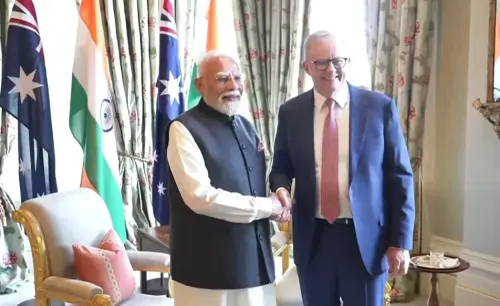
Australian PM Anthony Albanese raised China's South Pacific ICBM test with PM Narendra Modi during their Melbourne bilateral on 9 July .
Foreign Secretary Vikram Misri confirmed both sides expressed concern and agreed to intensify Indo-Pacific security cooperation.
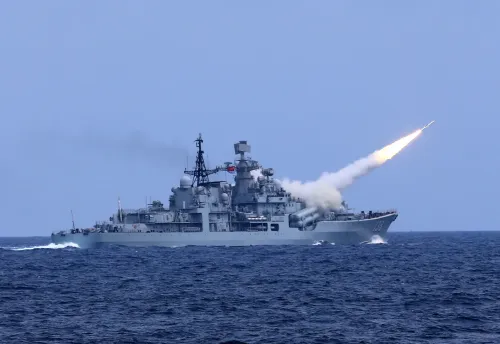
A Chinese nuclear-powered submarine test-fired the missile on Monday ; Australia's Penny Wong called it 'destabilising to the region.' New Zealand FM Winston Peters cited a 'recurring pattern by China,' referencing Beijing's 2024 South Pacific ICBM test.
Taiwan's Presidential Office condemned the launch, urging China to 'exercise restraint' and respect the rules-based international order.
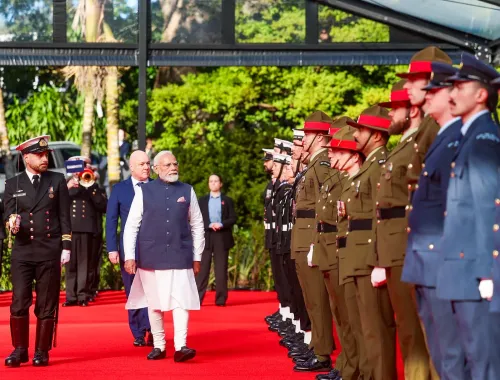
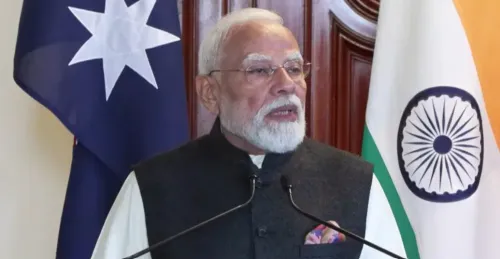
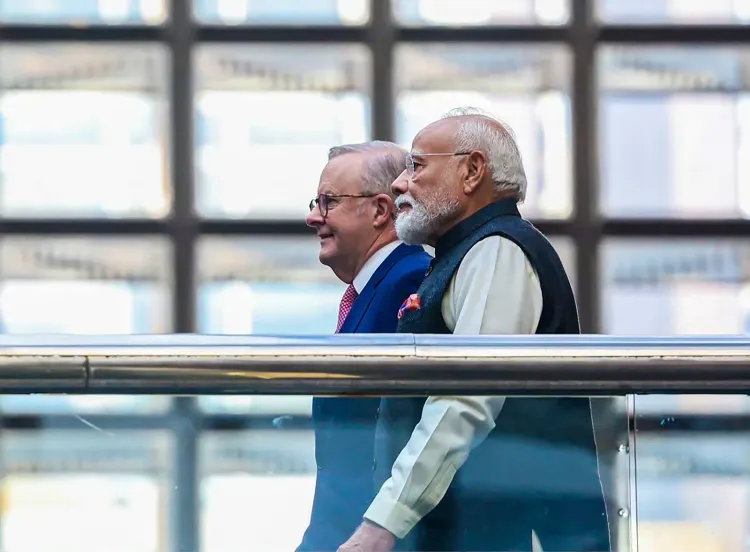
Australian Prime Minister Anthony Albanese raised China's recent Intercontinental Ballistic Missile (ICBM) test-firing into the South Pacific during his bilateral meeting with Prime Minister Narendra Modi in Melbourne on Thursday, 9 July, Foreign Secretary Vikram Misri has confirmed. The development underscores deepening strategic convergence between India and Australia over Indo-Pacific security.
What Misri Said
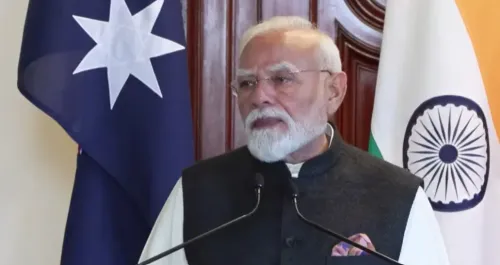
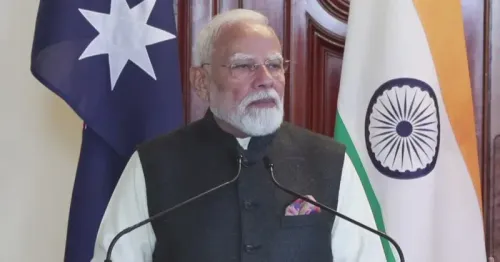
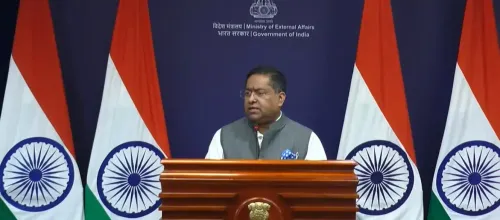
Briefing reporters during a special Ministry of External Affairs (MEA) media session on Modi's ongoing Australia visit, Misri said the missile launch was raised by the Australian side and was met with 'a certain amount of concern.' He quoted Modi as stating that India sees the Indo-Pacific as a region where 'peace, security, and stability' must be preserved. 'Australia and India have shared interests and shared objectives in this regard, and that we will continue not only to exchange our perspectives on this but also intensify our cooperation in various areas to ensure that peace, security, and stability in the Indo-Pacific area continues to be maintained,' Misri told reporters.
The Missile Test That Triggered Regional Alarm
A Chinese nuclear-powered submarine test-fired a missile toward the Pacific on Monday, drawing swift reactions from several nations in the region. Australian Foreign Minister Penny Wong described the launch as 'destabilising to the region,' while New Zealand Foreign Minister Winston Peters said his country is 'deeply concerned' by the launch of nuclear-capable weapons. Peters further noted that the test appeared to form part of a 'recurring pattern by China,' referencing Beijing's earlier 2024 ICBM test-firing into the South Pacific.
Taiwan Condemns the Launch
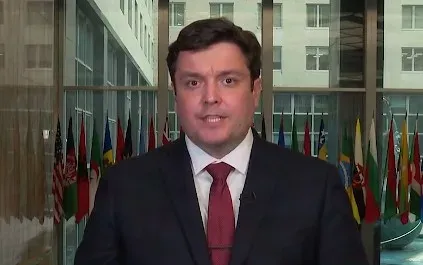
Taiwan's Presidential Office condemned the test, asserting that Beijing had 'sought to intimidate the international community' through the missile launch and that it 'undermines international peace and stability.' Presidential Office spokeswoman Karen Kuo urged China to 'exercise restraint, abide by the rules-based international order and immediately cease its irresponsible unilateral actions.'
Why the Modi-Albanese Exchange Matters
The fact that the ICBM test featured in a head-of-government bilateral — rather than only in foreign-minister channels — signals the seriousness with which both Canberra and New Delhi are treating China's expanding nuclear signalling in the Pacific. This comes amid broader efforts by India and Australia to deepen defence and intelligence cooperation under the Comprehensive Strategic Partnership framework. Notably, this is the second time in two years that a Chinese ICBM test into the South Pacific has prompted multilateral diplomatic pushback, suggesting Beijing's missile programme is becoming a recurring flashpoint in Indo-Pacific diplomacy. The episode is likely to add urgency to discussions within Quad grouping — which includes India, Australia, the United States, and Japan — on maritime security frameworks.
Point of View
Making Misri's on-record confirmation of 'concern' notable. Peters' framing of the launch as a 'recurring pattern' is equally significant: it transforms a single test into a strategic behaviour pattern requiring a structured multilateral response, not just diplomatic protest. The Quad's next summit will face pressure to move from rhetoric to concrete deterrence frameworks — and India's position at that table is now more explicitly on record than before.
NationPress
9 Oct 2026
Frequently Asked Questions
What did India and Australia discuss about China's ICBM test?
During their bilateral meeting in Melbourne on 9 July, Australian PM Anthony Albanese raised China's recent ICBM test-firing into the South Pacific with PM Narendra Modi. Foreign Secretary Vikram Misri confirmed that both sides expressed concern and agreed to intensify cooperation to maintain Indo-Pacific peace, security, and stability.
What was China's ICBM test in the South Pacific?
A Chinese nuclear-powered submarine test-fired a missile toward the Pacific, triggering alarm across the region. New Zealand FM Winston Peters described it as part of a 'recurring pattern by China,' referencing a similar 2024 South Pacific ICBM test by Beijing.
How did Australia and New Zealand respond to the missile test?
Australian Foreign Minister Penny Wong called the launch 'destabilising to the region,' while New Zealand Foreign Minister Winston Peters said his country is 'deeply concerned' by the launch of nuclear-capable weapons.
What did Taiwan say about the Chinese missile test?
Taiwan's Presidential Office condemned the launch, stating Beijing had 'sought to intimidate the international community.' Spokeswoman Karen Kuo urged China to exercise restraint and immediately cease what she called 'irresponsible unilateral actions.'
Why does the India-Australia response to the ICBM test matter?
The issue being raised at head-of-government level — rather than only through foreign-minister channels — signals that both New Delhi and Canberra view China's Pacific missile activity as a serious strategic concern. It is likely to add urgency to Quad-level discussions on Indo-Pacific maritime security frameworks.