PM Modi in Abu Dhabi: India-UAE ties 'very strong', UAE commits $5 bn investment
Synopsis
Modi’s Abu Dhabi visit was more than a diplomatic courtesy call — the UAE’s USD 5 billion investment pledge and India’s explicit stance on keeping the Strait of Hormuz open signal how deeply energy security and Gulf geopolitics are now intertwined with Indian foreign policy, especially amid an escalating West Asia crisis.
Key Takeaways
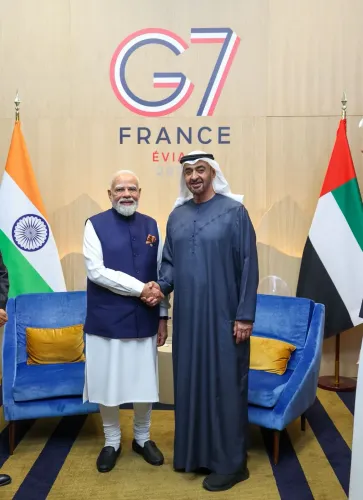
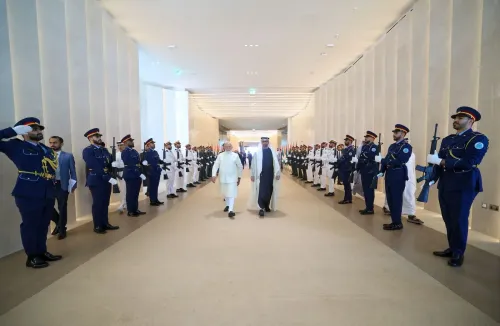
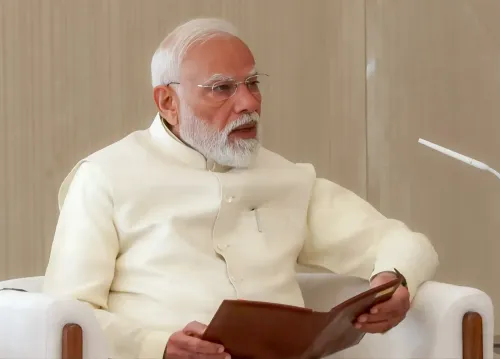
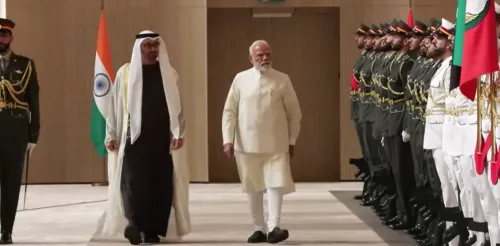
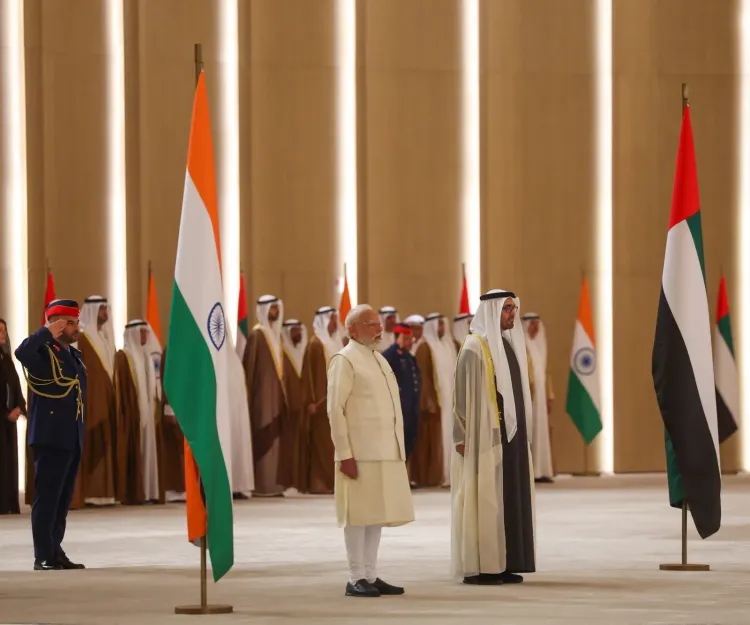
PM Modi held talks with UAE President Sheikh Mohamed bin Zayed Al Nahyan in Abu Dhabi on 15 May .
The UAE committed USD 5 billion in investments in India, aimed at strengthening markets and infrastructure.
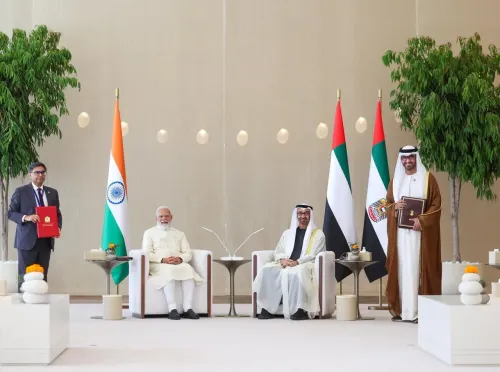
Agreements were signed in energy, defence, shipping infrastructure, and advanced technology .
Modi declared keeping the Strait of Hormuz open and safe India’s “highest priority.” Modi strongly condemned recent attacks on the UAE and reaffirmed India’s solidarity with the UAE government and its Indian diaspora.
Both leaders discussed West Asia developments and reaffirmed commitment to peace, stability, and prosperity.
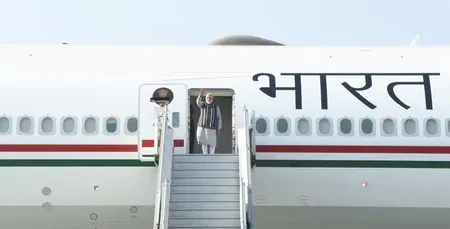
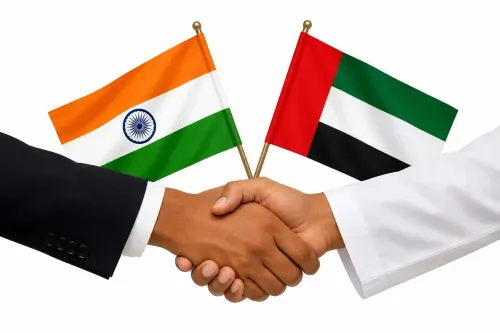
Prime Minister Narendra Modi on Friday, 15 May declared that the India-UAE friendship remains “very strong” following “wide-ranging and productive” talks with UAE President Sheikh Mohamed bin Zayed Al Nahyan in Abu Dhabi, with both nations pledging to work together toward “a better future for our planet.” The visit yielded a landmark USD 5 billion UAE investment commitment in India and the signing of key agreements spanning energy, defence, and advanced technology.
Key Developments from the Summit
According to the Ministry of External Affairs (MEA), the two leaders held discussions on further deepening the bilateral partnership under the India-UAE Comprehensive Strategic Partnership framework. Areas covered included energy, trade and investment, blue economy, fintech, defence, and people-to-people ties. Both sides also exchanged perspectives on developments in West Asia and broader global issues.
The UAE’s announced investment of USD 5 billion in India was flagged by the MEA as a “significant step” that will “further strengthen our markets and infrastructure” and deliver “a major boost to India’s energy security.”
What the Government Said
Modi strongly condemned what the MEA described as “recent attacks on the UAE” and attempts to violate its sovereignty and territorial integrity. In direct remarks to the UAE President, Modi said: “The way the UAE was targeted is unacceptable in any form. In these difficult circumstances, the restraint and courage you demonstrated are highly commendable.”
He also expressed gratitude for the UAE’s care of the Indian community during the crisis, stating: “The way you cared for the Indian community and looked after them like members of your own family, I express my heartfelt appreciation to the UAE government and the royal family for that.”
India’s Position on the Strait of Hormuz
Modi underlined that keeping the Strait of Hormuz open, free, and safe is India’s “highest priority,” calling for strict adherence to international law. “The impact of the war-like situation in the West Asia conflict is being felt across the world. India has always given priority to dialogue and diplomacy for resolving issues,” he said.
The remarks carry significant economic weight: the Strait of Hormuz is a critical chokepoint for India’s crude oil imports, with the country sourcing a substantial share of its energy needs from the Gulf region. Any disruption to navigation would directly affect India’s energy security calculus.
India’s Solidarity with the UAE
Modi offered unequivocal support, stating: “India stands shoulder to shoulder with the UAE in every situation and will continue to do so in the future as well. India is ready to provide every possible support for the restoration of peace and stability at the earliest.” The two leaders also reaffirmed their “shared commitment to peace, stability and prosperity,” according to the MEA.
What Comes Next
The agreements signed during the visit are expected to impart fresh momentum to bilateral cooperation, particularly in the energy and defence sectors. The USD 5 billion UAE investment is anticipated to flow into infrastructure and market development, though specific project timelines have not yet been disclosed. Observers will watch whether the Hormuz situation and broader West Asia tensions affect the pace of implementation.
Point of View
But the more consequential signal from Abu Dhabi is India’s explicit prioritisation of the Strait of Hormuz — a rare public articulation of where India’s energy vulnerabilities lie. With over a third of India’s crude passing through that chokepoint, Modi’s diplomatic visit doubles as a strategic hedge against Gulf instability. The broader question mainstream coverage underplays: as West Asia tensions deepen, India’s balancing act between its Gulf partnerships, its position on dialogue-over-conflict, and its own energy dependence will face sharper tests than any single summit can resolve.
NationPress
5 Oct 2026
Frequently Asked Questions
What was the outcome of PM Modi’s meeting with the UAE President in Abu Dhabi?
PM Modi and UAE President Sheikh Mohamed bin Zayed Al Nahyan held wide-ranging talks on 15 May in Abu Dhabi, resulting in a USD 5 billion UAE investment commitment in India and the signing of agreements in energy, defence, shipping, and advanced technology. Both leaders reaffirmed their commitment to the India-UAE Comprehensive Strategic Partnership.
Why did PM Modi raise the Strait of Hormuz during his UAE visit?
Modi declared keeping the Strait of Hormuz open, free, and safe India’s highest priority, citing the wider global impact of the West Asia conflict. The strait is a critical shipping lane for India’s crude oil imports, making its safety central to India’s energy security.
What attacks on the UAE did PM Modi condemn?
According to the Ministry of External Affairs, Modi strongly condemned recent attacks on the UAE and attempts to violate its sovereignty and territorial integrity. He called the targeting of the UAE ‘unacceptable in any form’ and praised the UAE leadership’s restraint and courage in response.
How does the USD 5 billion UAE investment benefit India?
The UAE’s announced USD 5 billion investment is expected to strengthen India’s markets and infrastructure, according to the Ministry of External Affairs. It is also described as delivering a major boost to India’s energy security, though specific project details have not yet been disclosed.
What is the India-UAE Comprehensive Strategic Partnership?
The India-UAE Comprehensive Strategic Partnership is the overarching framework governing bilateral ties between the two countries, covering energy, trade, defence, technology, and people-to-people links. The agreements signed during Modi’s Abu Dhabi visit are intended to impart fresh momentum to this partnership.