PM Modi Discusses West Asia Crisis with King Abdullah II of Jordan
Synopsis
In a significant diplomatic engagement, Prime Minister Narendra Modi reached out to King Abdullah II of Jordan, addressing urgent concerns regarding the escalating crisis in West Asia. This call underscores India's commitment to regional stability and the safety of its citizens.
Key Takeaways
PM Modi's conversation with King Abdullah II highlights India's concern over West Asia's crisis.
Jordan's airspace is restricted due to security threats from the ongoing conflict.
India remains committed to the safety of its citizens in the region.
Diplomatic efforts are aimed at promoting peace and stability.
Recent military actions have escalated tensions in the Middle East.
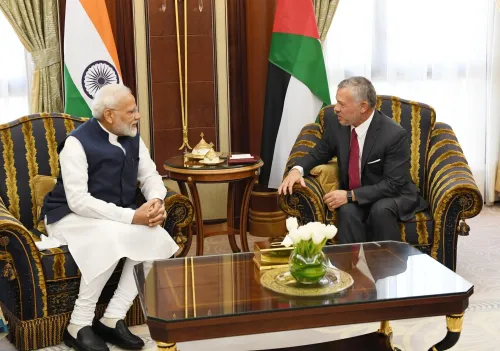
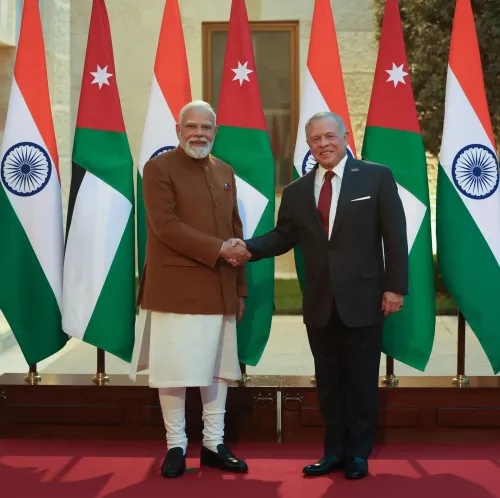
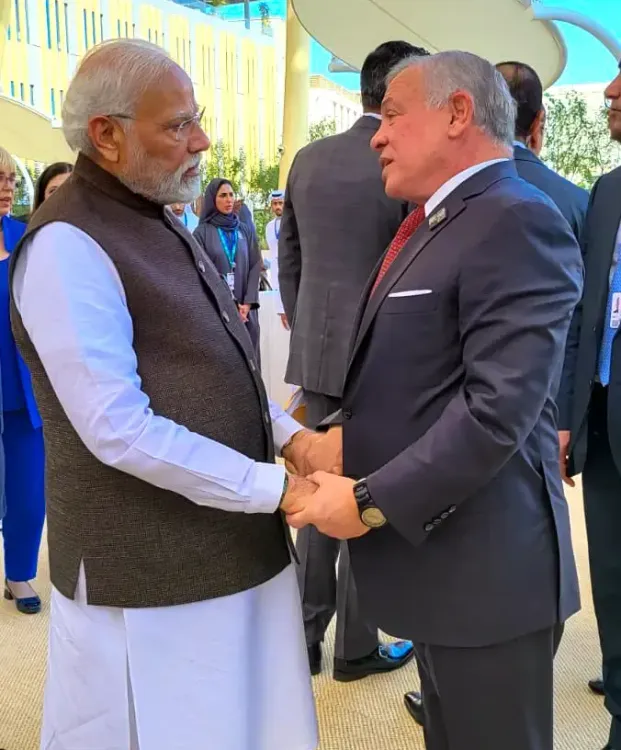
New Delhi, March 2 (NationPress) Prime Minister Narendra Modi engaged in a phone discussion with King Abdullah II of Jordan on Monday, voicing India's serious concerns regarding the escalating crisis in West Asia.
This communication occurred amidst rising military tensions involving the US, Israel, and Iran, which have reportedly involved neighboring nations through retaliatory actions and missile strikes.
In a post on X, the Prime Minister indicated that he reached out to the Jordanian monarch to express India’s worries about the changing regional dynamics.
He reiterated India’s unwavering commitment to the peace, security, and welfare of the Jordanian populace.
Furthermore, the Prime Minister expressed gratitude to King Abdullah II for his efforts in ensuring the safety and well-being of the Indian community in Jordan amidst the ongoing crisis.
This outreach highlights India’s diplomatic efforts with regional leaders as tensions escalate in West Asia.
Recent events include coordinated US-Israeli strikes on Iranian positions, reportedly resulting in the death of Iran’s Supreme Leader Ayatollah Ali Khamenei.
This led to Iranian missile and drone assaults targeting Israel, US military facilities, and sites in Gulf nations, including Saudi Arabia and Bahrain.
Jordan has been directly impacted, with reports of intercepted missiles over its airspace causing injuries and property damage.
In light of the evolving security landscape, Jordan has enacted partial nighttime airspace closures as a safety measure to protect civil aviation, joining other nations that have imposed flight restrictions due to increased risks.
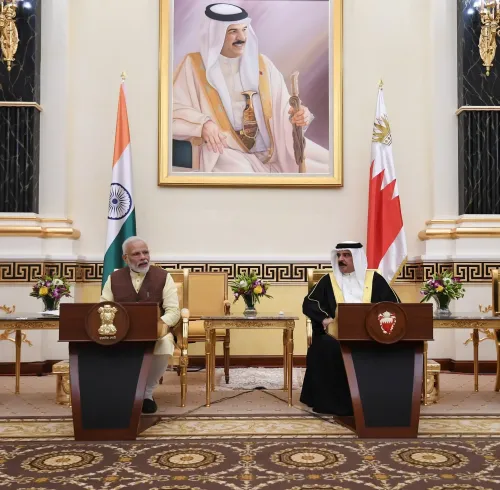
The Prime Minister’s dialogue with King Abdullah II follows similar talks with leaders from Bahrain and Saudi Arabia, where he condemned assaults on their sovereignty and emphasized India’s solidarity.
These interactions showcase India’s priority in safeguarding its substantial expatriate population in the Middle East while advocating for de-escalation and regional stability.
The ongoing crisis has disrupted international air travel, led to airspace limitations, and raised fears of a broader regional conflict, impacting trade routes, energy supplies, and civilian safety.
India has consistently advocated for dialogue and restraint in international discussions, positioning itself as a champion for peaceful conflict resolution.
PM Modi's communication also reaffirmed the robust bilateral relationship between India and Jordan, founded on mutual respect and cooperation, even amidst regional uncertainties.
Analysts suggest that such high-level interactions aim to foster calm and ensure the welfare of affected populations, including Indian nationals across West Asia.
Point of View
The conversation between PM Modi and King Abdullah II reflects India's proactive engagement in international diplomacy. This dialogue is crucial for addressing the escalating tensions in West Asia and ensuring the safety of Indian nationals abroad.
NationPress
22 Sept 2026
Frequently Asked Questions
What prompted PM Modi's call to King Abdullah II?
PM Modi's call was initiated to address India's concerns over the rapidly deteriorating situation in West Asia, particularly amidst rising military confrontations.
How has Jordan been affected by the crisis?
Jordan has faced direct impacts, including intercepted missiles causing injuries and damage to property, leading to airspace restrictions as a precaution.
What is India's stance on the West Asia crisis?
India has consistently advocated for dialogue and restraint, aiming to contribute to regional stability while prioritizing the safety of its expatriates.
What recent events have escalated tensions in West Asia?
Recent joint US-Israeli strikes on Iranian targets and subsequent Iranian missile attacks have significantly heightened tensions in the region.
What measures has Jordan taken in response to the crisis?
Jordan has implemented partial nightly closures of its airspace to protect civil aviation amidst the evolving security situation.