PM Modi and Netanyahu Address Rising Tensions in West Asia
Synopsis
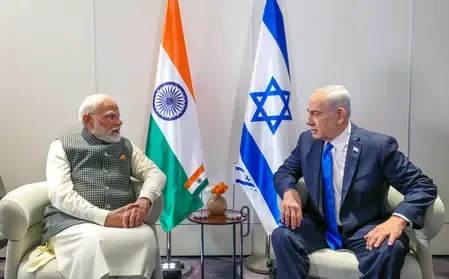
In a critical telephonic dialogue, Prime Minister Narendra Modi and Israeli Prime Minister Benjamin Netanyahu addressed the increasing tensions in West Asia. The leaders discussed essential measures for civilian safety and the urgent need for dialogue amidst escalating conflicts in the region.
Key Takeaways
PM Modi's call with Netanyahu focused on West Asia tensions.
India's concerns about civilian safety were emphasized.
Recent US-Israeli airstrikes on Iran have raised geopolitical fears.
High-level CCS meeting held to address security issues.
India advocates for restraint and dialogue in the region.
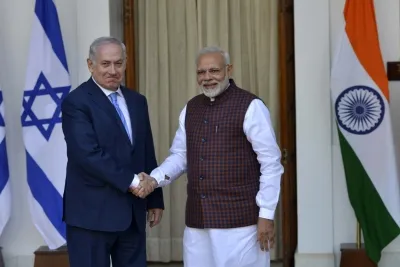
On March 2, New Delhi (NationPress) witnessed a significant telephonic exchange between Prime Minister Narendra Modi and Israeli Prime Minister Benjamin Netanyahu concerning the shifting dynamics in West Asia. This conversation comes in light of increasing tensions triggered by recent events in the Middle East.
In his update on X, PM Modi stated, "I spoke with PM Netanyahu regarding the ongoing regional situation. I expressed India’s apprehensions about recent occurrences and underscored the importance of civilian safety. We continue to advocate for an immediate halt to hostilities."
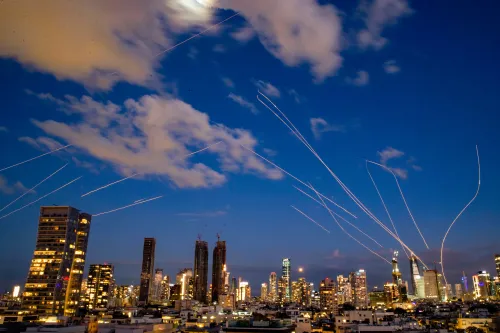
The dialogue coincides with escalating regional tensions following joint US-Israeli airstrikes on Iran, leading to a rise in geopolitical anxiety and global security implications. India has persistently urged for restraint, dialogue, and diplomatic efforts to bring stability back to the region.
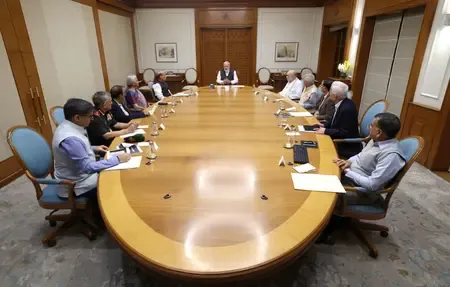
Earlier that week, PM Modi presided over a crucial high-level meeting in the national capital upon his return from a two-day tour covering Rajasthan, Gujarat, Tamil Nadu, and Puducherry. Post his arrival in Delhi around 9.30 p.m., he promptly assessed the current security landscape.
Key ministers and senior officials, including Defence Minister Rajnath Singh, Home Minister Amit Shah, External Affairs Minister S. Jaishankar, Finance Minister Nirmala Sitharaman, National Security Adviser Ajit Doval, and Foreign Secretary Vikram Misri, participated in this critical meeting.
The urgent assembly of the CCS is largely interpreted as a reaction to recent developments in West Asia, including the US-Israel strikes on Iranian assets and the ensuing retaliatory measures.
Reports have surfaced regarding the death of Iranian Supreme Leader Ayatollah Ali Khamenei amidst these rising tensions, raising grave concerns about a wider conflict.
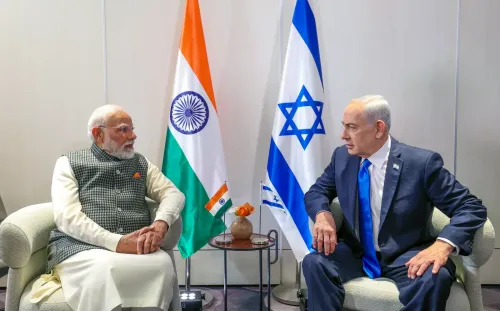
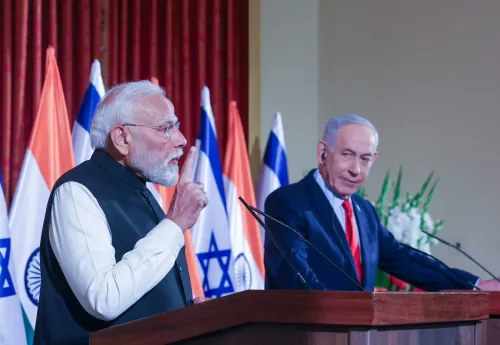
Just days prior, PM Modi concluded a significant two-day state visit to Israel on February 26, where both leaders committed to enhancing India-Israel relations to a Special Strategic Partnership and explored avenues to deepen cooperation in vital sectors, reaffirming the robustness of their bilateral ties.
India remains vigilant about developments in the Middle East crisis, advocating for de-escalation and underscoring the necessity of protecting civilian lives while striving for regional stability.
Point of View
I observe that the ongoing dialogue between Prime Minister Modi and Prime Minister Netanyahu reflects a critical juncture in international relations, particularly regarding West Asia. The emphasis on civilian safety and the call for restraint are paramount as tensions rise, reinforcing India’s commitment to regional stability.
NationPress
24 Oct 2026
Frequently Asked Questions
What was the purpose of Modi's call with Netanyahu?
The call aimed to discuss the evolving situation in West Asia and convey India's concerns regarding escalating tensions and the importance of civilian safety.
What recent events prompted this discussion?
The conversation was sparked by recent US-Israeli airstrikes on Iran, which have intensified geopolitical uncertainties in the region.
Who attended the high-level meeting chaired by PM Modi?
The meeting included senior ministers such as Defence Minister Rajnath Singh, Home Minister Amit Shah, and External Affairs Minister S. Jaishankar, among others.
What is the significance of PM Modi's visit to Israel?
During his visit to Israel, both leaders agreed to elevate their ties to a Special Strategic Partnership, highlighting the strength of bilateral relations.
How is India responding to the Middle East crisis?
India is closely monitoring the developments while advocating for de-escalation and emphasizing the need to protect civilian lives.