US Senator Murphy opposes Yemen war after Riyadh airport attack kills 12
Synopsis
US Senator Chris Murphy, who was at Riyadh airport just 24 hours before Saturday's deadly Houthi missile strike, has urged Washington to stay out of Yemen — warning that US retaliation would risk a full-blown war with both the Houthis and Iran. Meanwhile, one Indian national has died and 11 others were injured, drawing sharp responses from External Affairs Minister Jaishankar and the MEA.
Key Takeaways
US Senator Chris Murphy opposed American military involvement in Yemen , warning it would escalate into a wider war with Iran and the Houthis .
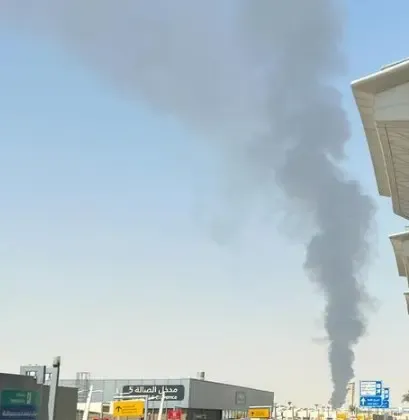
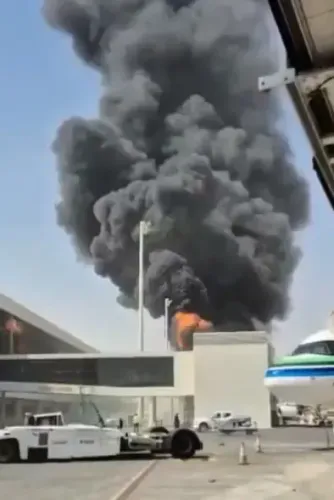
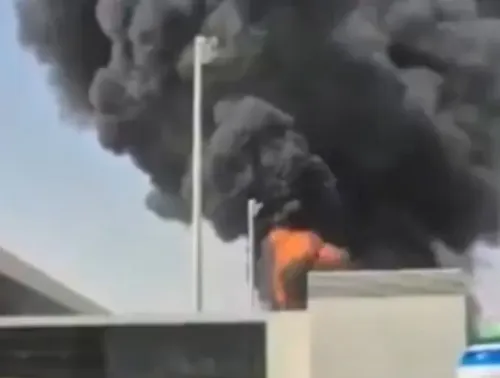
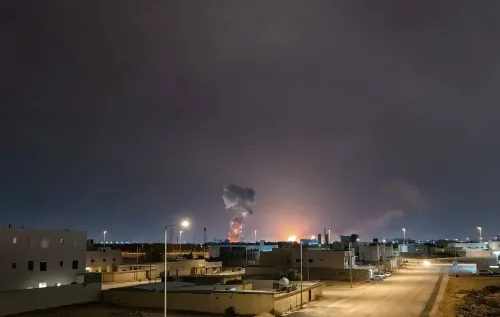
The Houthi attack on Riyadh airport on Saturday killed at least 12 people and injured 309 , including one American fatality.
11 Indian nationals were injured; one has since died, according to the Indian Embassy in Riyadh .
External Affairs Minister S.
Jaishankar expressed grief and confirmed Embassy assistance on X ; the MEA condemned the attacks on civilian infrastructure.
President Donald Trump called the attack 'a terrible thing' and indicated plans to call Saudi Crown Prince Mohammed bin Salman , with no readout released by Sunday evening.
Saudi Arabia hosts approximately 2.74 million Indians , one of the largest Indian communities abroad.
US Senator Chris Murphy on Sunday came out firmly against American military involvement in Yemen, days after a deadly Houthi missile attack on Riyadh's international airport killed at least 12 people and injured 309 others, including one American fatality and 11 Indian nationals.
Murphy's Warning Against Escalation
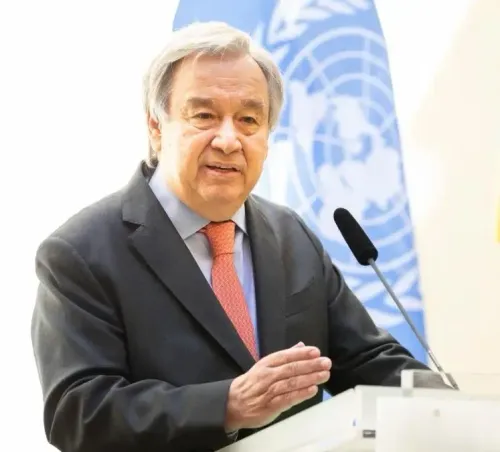
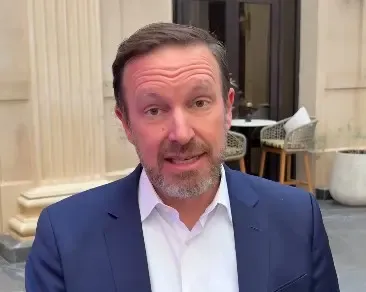
Murphy, a Connecticut Democrat, told CBS programme Face the Nation that he had passed through Riyadh airport the day before Saturday's attack, following meetings with Saudi and Qatari officials aimed at exploring a negotiated end to the conflict.
'Yes, I was in that airport the day before, having visited the Saudis and the Qataris, who are trying to negotiate an end to the war,' he said. Describing the situation on the ground as a conflict 'spiraling out of control', Murphy was unequivocal when asked whether US retaliation was appropriate: 'No, I don't think the United States should go to war in Yemen.'
He cautioned that American military action would 'simply escalate and make the situation even more dangerous if we then went to war not only with Iran, but with the Houthis in Yemen as well.' Instead, he called for a unilateral end to American hostilities and urged regional partners to take the lead in reopening the Strait of Hormuz and the Red Sea.
Scale of the Attack and Pentagon Disclosures
Host Margaret Brennan confirmed during the broadcast that 12 people were killed and 309 injured in the strike, with at least one American among the dead. Separately, the Pentagon disclosed that 20 American fatalities occurred on Saturday, though the precise breakdown in relation to the airport strike was not specified in the broadcast.
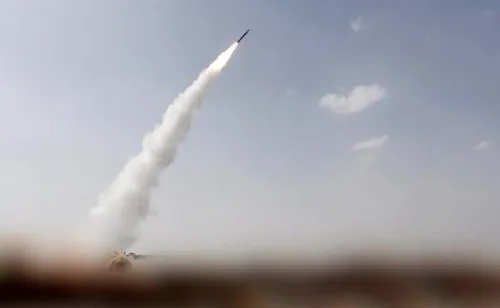
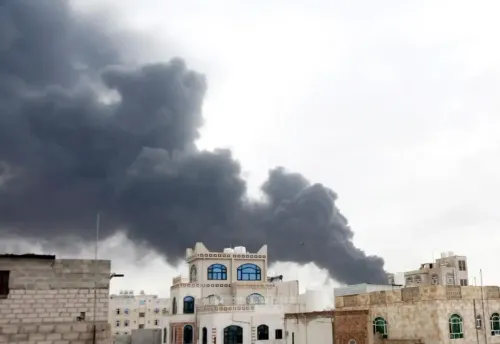
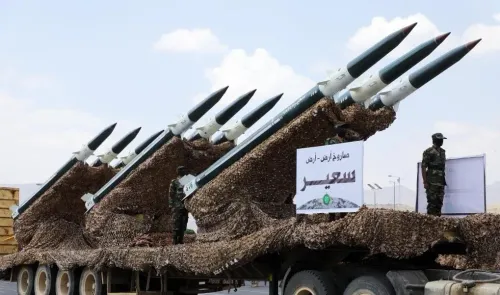
The Houthis, an Iran-backed movement controlling much of northern Yemen, have intensified attacks on Saudi airports, military installations, and oil facilities since a Saudi-led coalition launched a fresh offensive against them this month. This comes amid a broader pattern of Houthi strikes that have repeatedly disrupted civilian infrastructure across the region.
Indian Casualties: Embassy Response and MEA Statement
The Indian Embassy in Riyadh confirmed on Sunday that 11 Indian nationals were among those injured in the attack. In a subsequent update posted on X, the Embassy reported that one Indian national injured in the strike had 'unfortunately lost his life', adding that it was in contact with the family and would support 'the early repatriation of mortal remains'.
Embassy officials subsequently visited all hospitals where injured Indians had been admitted. Of those receiving treatment, three were described as being 'in ICU but stable', two were in normal wards, and the remaining had been discharged.
External Affairs Minister S. Jaishankar said he was 'deeply grieved at the loss of life of an Indian national in the Riyadh attack' and confirmed that the Embassy would 'extend all possible assistance', in a post on X. The Ministry of External Affairs (MEA) also issued a formal statement late on Saturday, declaring that 'the repeated attacks on civilians and civilian infrastructure are completely unacceptable and must cease immediately.'
Notably, Saudi Arabia is home to approximately 2.74 million Indians, according to Embassy figures, making it one of the largest Indian diaspora communities in the world.
Trump's Response and Diplomatic Signals
President Donald Trump described the attack as 'a terrible thing' on Saturday and indicated he would speak to Saudi Crown Prince Mohammed bin Salman. However, no readout of that call had been released by Sunday evening. The US had also, as of Sunday, not committed to retaliating militarily on behalf of Saudi Arabia.
With diplomatic channels still open and regional actors including Qatar engaged in mediation, the coming days will test whether de-escalation diplomacy can outpace the military momentum on the ground.
Point of View
But the broader question is whether Congressional voices can shape a White House that has so far kept its military options open. For India, the story cuts differently: with 2.74 million nationals in Saudi Arabia, every escalation in this conflict is also a consular emergency in waiting. The MEA's unusually strong language — 'completely unacceptable' — reflects that exposure, but New Delhi will be watching carefully whether de-escalation diplomacy led by Qatar and Saudi Arabia can hold before the next strike.
NationPress
12 Oct 2026
Frequently Asked Questions
What did US Senator Chris Murphy say about the Yemen war?
Senator Chris Murphy said the United States should not go to war in Yemen, warning that military retaliation would escalate the conflict with both the Houthis and Iran. He made the remarks on CBS's Face the Nation on Sunday, a day after the deadly Houthi attack on Riyadh's international airport.
What happened in the Houthi attack on Riyadh airport?
Houthi forces struck Riyadh's international airport on Saturday, killing at least 12 people and injuring 309 others, including one American and 11 Indian nationals. The Pentagon separately disclosed 20 American fatalities on Saturday, though full details were not specified in available reports.
Were Indian nationals affected by the Riyadh airport attack?
Yes. The Indian Embassy in Riyadh confirmed that 11 Indian nationals were injured in the attack, and one has since died. Embassy officials visited hospitals where the injured were admitted; three were in ICU but stable, two were in normal wards, and the rest had been discharged.
How did the Indian government respond to the Riyadh attack?
External Affairs Minister S. Jaishankar expressed deep grief at the death of an Indian national and confirmed Embassy assistance in a post on X. The Ministry of External Affairs issued a formal statement calling repeated attacks on civilians and civilian infrastructure 'completely unacceptable' and demanding they 'cease immediately'.
What is the US position on retaliating against the Houthis for the Riyadh attack?
As of Sunday, the United States had not committed to retaliating militarily on behalf of Saudi Arabia. President Donald Trump called the attack 'a terrible thing' and indicated he would speak with Saudi Crown Prince Mohammed bin Salman, but no readout of that call had been released by Sunday evening.