North Korea calls DMZ mine blast a South Korean 'fabrication' in UNSC letter
Synopsis
Pyongyang has escalated the diplomatic standoff over last month's DMZ mine blast by writing to the UN Security Council calling the explosion a South Korean 'fabrication.' The letter invokes Article 51 of the UN Charter to justify potential self-defence — raising the rhetorical stakes just days after Seoul filed its own council complaint blaming North Korean troops for an armistice violation that injured three soldiers.
Key Takeaways
North Korea sent a letter to the UNSC president on Sunday, 26 October 2025 calling the DMZ mine blast a South Korean 'fabrication,' according to KCNA .
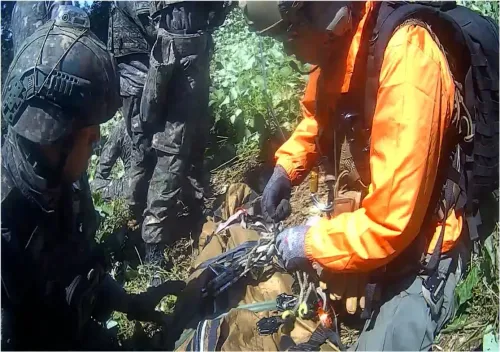
The 21 September mine explosion in the Demilitarised Zone injured three South Korean soldiers .
Pyongyang characterised its border fortification as a sovereign right and accused Seoul of firing warning shots at North Korean workers.
North Korea invoked Article 51 of the UN Charter to warn of potential self-defence action if its personnel are threatened.
South Korean Ambassador Cha Ji-hoon had earlier sent Seoul's own UNSC letter urging Pyongyang to apologise and engage in dialogue.
Tensions are further inflamed by North Korea's reported threat to resume loudspeaker broadcasts toward the South.
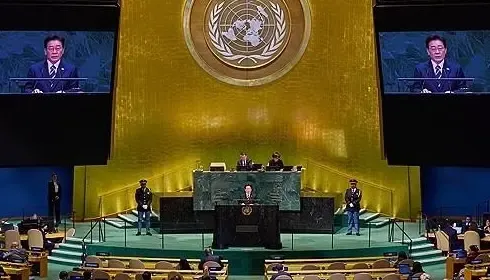
North Korea has written to the president of the UN Security Council (UNSC) accusing South Korea of fabricating last month's land mine explosion near their shared border, according to Pyongyang's state media. The letter, sent on Sunday, 26 October 2025, by the North's permanent representative to the United Nations, was reported by the Korean Central News Agency (KCNA) on Monday.
Pyongyang's Core Claim
The North's letter alleged that Seoul had 'fabricated' the mine blast in the Demilitarised Zone (DMZ) as a 'sinister' attempt to 'impede' its ongoing border fortification work. Pyongyang characterised that fortification as a 'legitimate and just exercise of its sovereignty going in strict conformity with the UN Charter and international law as it is a self-defensive measure to defend its territorial security from outside threat of aggression,' according to KCNA.
North Korea also accused the South Korean military of firing warning shots at its 'service personnel' working on the project, calling it a 'wanton violation' of Article 2(4) of the UN Charter, which requires member states to refrain from the threat or use of force against the territorial integrity of any country.
Pyongyang's Warning to Seoul
In pointed language, Pyongyang warned it would 'exercise the right to self-defence specified in Article 51 of the UN Charter' if Seoul 'invades the territory of our country even a millimetre or perpetrates a direct provocation doing harm to our personnel's safety and lives.' The language marks a notable escalation in Pyongyang's diplomatic signalling, linking potential military action directly to a UN legal provision.
South Korea's Counter-Letter to the UNSC
The North's communication came fewer than six days after South Korea had itself written to the council. South Korean Ambassador to the UN Cha Ji-hoon addressed the roughly two-page letter to his Greek counterpart, who currently holds the council's rotating presidency, on Thursday. Seoul's letter outlined the findings of an investigation into the 21 September explosion in the DMZ, stressing that the blast was caused by a land mine planted by North Korean troops in violation of the Armistice Agreement that halted the 1950–53 Korean War. The letter also urged Pyongyang to take 'responsible measures' and engage in dialogue to prevent further escalation and restore trust.
Broader Context and Escalation Risk
The tit-for-tat exchange of UNSC letters comes amid heightened tensions along the inter-Korean border. The 21 September blast injured three South Korean soldiers, triggering Seoul's formal complaint to the council. Compounding the standoff, North Korea has reportedly threatened to resume loudspeaker broadcasts directed at South Korea — a psychological-warfare tactic last used during earlier phases of inter-Korean friction. Notably, this is not the first time Pyongyang has used UNSC correspondence to frame border incidents as Southern provocations, a pattern analysts say is designed to muddy accountability in multilateral forums. All eyes are now on whether the UNSC will convene a formal session on the matter, and whether any council member will press for an independent investigation.
Point of View
But it gives Pyongyang rhetorical cover for any future military response. What mainstream coverage underweights is how this exchange mirrors the 2015 mine-blast episode almost beat for beat — accusation, counter-accusation, and ultimately no accountability mechanism. Until the UNSC or a neutral body develops the means to investigate DMZ incidents independently, these duelling letters will remain a theatre of impunity.
NationPress
26 Oct 2026
Frequently Asked Questions
What did North Korea's letter to the UNSC say about the DMZ mine blast?
North Korea's letter, sent on 26 October 2025, accused South Korea of 'fabricating' the 21 September mine explosion in the Demilitarised Zone to disrupt Pyongyang's border fortification work. It also claimed Seoul fired warning shots at North Korean workers and invoked Article 51 of the UN Charter to warn of potential self-defence action.
When and where did the DMZ mine blast occur?
The explosion occurred on 21 September 2025 inside the Demilitarised Zone (DMZ) along the inter-Korean border. According to South Korea's subsequent UNSC letter, the blast was caused by a land mine planted by North Korean troops, injuring three South Korean soldiers.
What did South Korea say in its own UNSC letter?
South Korean Ambassador Cha Ji-hoon addressed a letter to the UNSC president on Thursday outlining the findings of an investigation that blamed North Korean troops for the mine blast, calling it a violation of the Armistice Agreement. Seoul urged Pyongyang to apologise, take responsible measures, and engage in dialogue to prevent further escalation.
What is the Armistice Agreement and why does it matter here?
The Armistice Agreement signed in 1953 halted active combat in the Korean War, establishing the DMZ as a buffer zone with strict rules governing military activities in and around it. South Korea argues that planting land mines in the DMZ breaches those rules, while North Korea maintains its fortification work is a lawful sovereign act.
Could this escalate further?
Tensions remain elevated, with North Korea reportedly threatening to resume loudspeaker broadcasts directed at South Korea — a psychological-warfare tactic associated with past periods of heightened friction. Whether the UNSC convenes a formal session on the duelling letters, and whether any member presses for an independent probe, will likely determine the next phase of the standoff.