Nadella, Pichai, Mehrotra at Trump-Xi White House state dinner
Synopsis
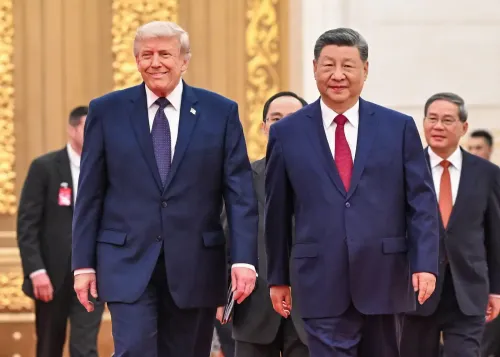
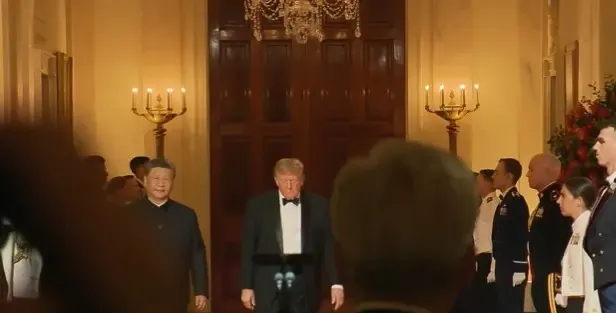
The most powerful room in geopolitics on 25 September wasn't a negotiating table — it was a White House dinner table. Trump's state dinner for Xi Jinping drew virtually every major American tech CEO, including Indian-origin leaders Nadella, Pichai and Mehrotra, as Washington and Beijing attempted to frame AI as a shared responsibility even while competing fiercely for semiconductor supremacy.
Key Takeaways
Satya Nadella (Microsoft), Sundar Pichai (Google/Alphabet), and Sanjay Mehrotra (Micron Technology) attended President Trump 's state dinner for Xi Jinping at the White House on 25 September 2026 .
Other tech executives present included Jensen Huang , Tim Cook , Mark Zuckerberg , Sam Altman , Elon Musk , and Jeff Bezos .
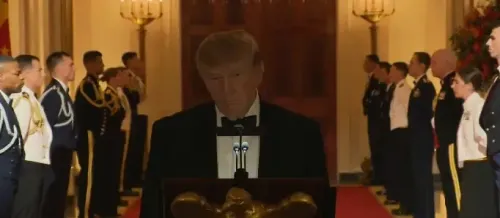
Trump said discussions would cover security, technology, and superintelligence; Xi called for joint human-controlled AI development.
Finance, defence, and energy leaders — including Jamie Dimon , Larry Fink , and Kelly Ortberg — also attended.
The dinner menu included sparkling wine referencing the 1972 Nixon-Zhou 'Toast to Peace', signalling historical continuity in US-China engagement.
All three Indian-origin tech chiefs — Nadella , Pichai , and Mehrotra — were born in India before rising to lead major US corporations.
Indian-origin technology leaders Satya Nadella, Sundar Pichai, and Sanjay Mehrotra were among the most prominent guests at President Donald Trump's state dinner for Chinese President Xi Jinping at the White House on 25 September 2026, as the world's two largest economies explored cooperation — and competition — on artificial intelligence, semiconductors, and advanced computing.
The Tech Titans in the Room
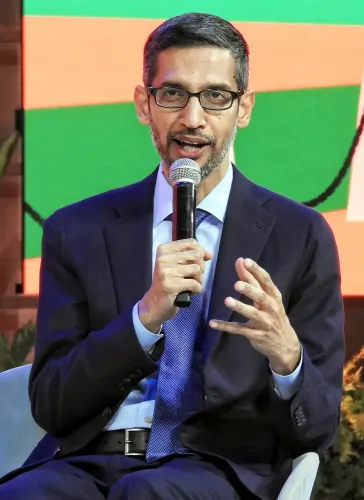
Nadella, chairman and chief executive of Microsoft, and Pichai, chief executive of Google and parent company Alphabet, were joined by Mehrotra, chief executive of memory-chip manufacturer Micron Technology. All three were born in India before building careers in the United States — their presence placed three prominent members of the Indian diaspora at one of the year's most consequential gatherings of political and corporate power.
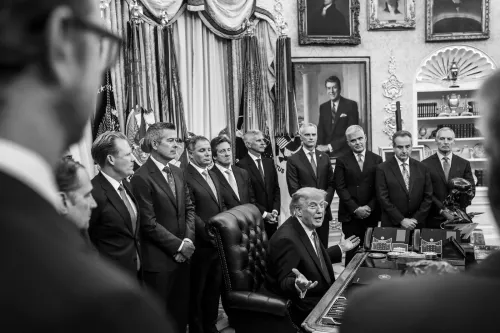
Other technology executives invited included Nvidia chief executive Jensen Huang, Apple's Tim Cook, Meta chief executive Mark Zuckerberg, OpenAI chief executive Sam Altman, OpenAI president and co-founder Greg Brockman, Amazon founder Jeff Bezos, Tesla and SpaceX chief executive Elon Musk, Zoom chief executive Eric Yuan, Qualcomm chief executive Cristiano Amon, Dell chief executive Michael Dell, Google co-founder Sergey Brin, and AMD chief executive Lisa Su.
What Trump and Xi Said on AI
During his welcome remarks, Trump said the two leaders would discuss security, technology, and superintelligence. 'The decisions we make in these areas today can promote peace and prosperity for decades and decades to come,' Trump said.
Xi struck a cooperative but pointed tone. 'Both China and the United States are major powers in artificial intelligence; we have the capability and the responsibility to develop and manage AI effectively, ensuring that its development remains under human control and benefits the people,' he said. The concentration of tech executives at the dinner followed Trump and Xi identifying artificial intelligence as a priority subject in the bilateral relationship.
Beyond Silicon Valley: Finance, Defence and Energy
The White House dinner extended well beyond the technology sector. Banking and finance were represented by JPMorgan chief executive Jamie Dimon and BlackRock chief executive Larry Fink. Defence and aerospace executives present included Boeing chief executive Kelly Ortberg and Lockheed Martin chief executive Jim Taiclet. General Motors chief executive Mary Barra, Pfizer chief executive Albert Bourla, ExxonMobil chief executive Darren Woods, and GE Aerospace chief executive Larry Culp were also among the invitees.
Vice President JD Vance and Second Lady Usha Vance attended, as did senior administration officials including Secretary of State Marco Rubio, Treasury Secretary Scott Bessent, Commerce Secretary Howard Lutnick, and US Trade Representative Jamieson Greer.
China's Delegation and the Diplomatic Backdrop
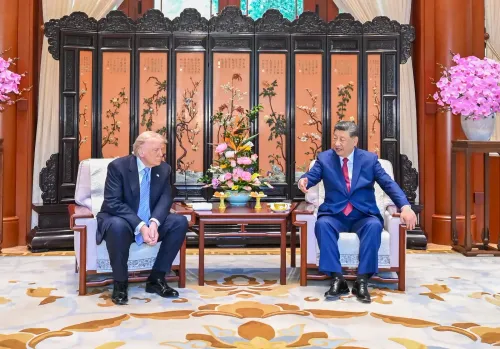
Xi's delegation included Chinese Vice Premier He Lifeng, Foreign Minister Wang Yi, Commerce Minister Wang Wentao, and Zheng Shanjie, chairman of the National Development and Reform Commission. Trump and First Lady Melania Trump received Xi and Peng Liyuan at the North Portico shortly after 7 pm on Thursday, following a day of ceremonial events and closed-door discussions.
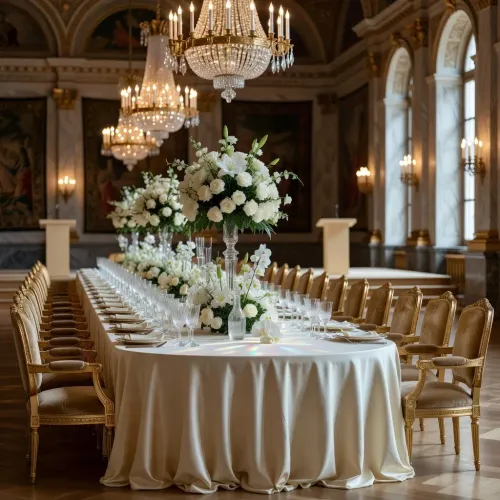
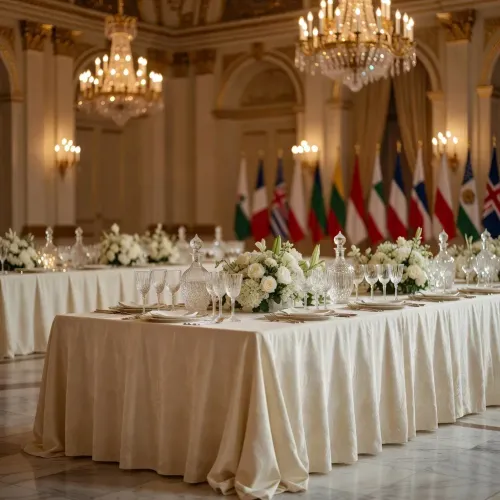
The dinner menu combined American ingredients with Chinese influences, opening with the sparkling wine served during the historic 1972 'Toast to Peace' between President Richard Nixon and Chinese Premier Zhou Enlai in Beijing — a deliberate symbolic nod to the origins of US-China engagement.
What the Gathering Signals
Technology has become one of the central fault lines between Washington and Beijing, with disputes spanning advanced computer chips, semiconductor-manufacturing equipment, AI models, and access to computing power. The unprecedented assembly of American tech leadership — alongside Chinese counterparts — signals that both governments see the private sector as a key actor in shaping the guardrails, and the race, for AI dominance. Notably, David Sacks, co-chair of the President's Council of Advisors on Science and Technology, was also invited, underscoring the policy dimension of the evening.
Whether Thursday's high-profile dinner translates into concrete AI governance frameworks or trade accommodations on chips remains to be seen, but the optics alone mark a significant moment in US-China relations.
Point of View
Today's US-China relationship has no trusted back-channel and far more structural interdependence to unwind. The real question after Thursday is whether 'joint AI responsibility' produces any binding framework, or whether it was simply the most expensive photo opportunity of the year.
NationPress
25 Sept 2026
Frequently Asked Questions
Which Indian-origin tech leaders attended Trump's state dinner for Xi Jinping?
Satya Nadella (Microsoft), Sundar Pichai (Google/Alphabet), and Sanjay Mehrotra (Micron Technology) — all born in India — attended the White House state dinner on 25 September 2026. Their presence made three of the most prominent members of the Indian diaspora part of one of the year's most high-profile diplomatic gatherings.
Why did Trump invite so many tech executives to the Xi Jinping state dinner?
Trump and Xi had identified artificial intelligence as a priority subject in the US-China bilateral relationship, and the concentration of tech executives reflected that agenda. During his welcome remarks, Trump said discussions would cover security, technology, and superintelligence.
What did Xi Jinping say about AI at the White House dinner?
Xi said both China and the United States are major powers in artificial intelligence and share the capability and responsibility to develop and manage AI effectively, ensuring it remains under human control and benefits the people. His remarks signalled a preference for joint governance rather than pure competition.
Who else was on the White House guest list for the Trump-Xi state dinner?
Beyond tech leaders, the guest list included JPMorgan's Jamie Dimon, BlackRock's Larry Fink, Boeing's Kelly Ortberg, Lockheed Martin's Jim Taiclet, GM's Mary Barra, Pfizer's Albert Bourla, and ExxonMobil's Darren Woods. Senior administration officials including Secretary of State Marco Rubio and Treasury Secretary Scott Bessent also attended.
What is the significance of the wine served at Trump's state dinner for Xi?
The dinner opened with the sparkling wine served during the 1972 'Toast to Peace' between President Richard Nixon and Chinese Premier Zhou Enlai in Beijing — the moment that opened US-China diplomatic relations. The choice was a deliberate symbolic reference to the origins of engagement between the two countries.