India-Nepal power ties deepen as MEA official visits Kathmandu
Synopsis
India and Nepal have quietly raised the ceiling on their energy partnership — agreeing to trade up to 1,650 MW of Nepali electricity into India and 1,400 MW back, while the 900 MW Arun III project nears completion. A senior MEA visit to Kathmandu and a JSC power meeting in Pokhara signal this is no routine diplomatic calendar item.
Key Takeaways
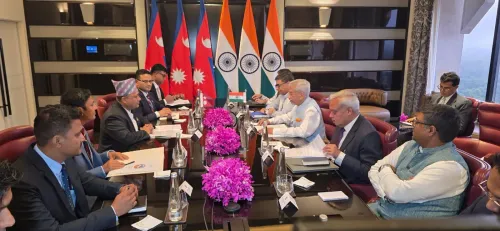
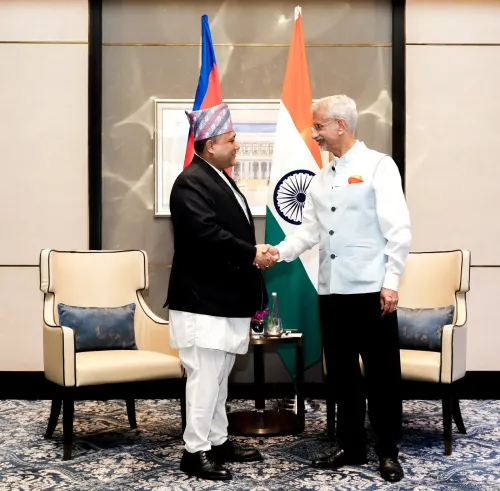
Munu Mahawar , Additional Secretary (North), MEA, met Nepal's Foreign Minister Shisir Khanal and Foreign Secretary Amrit Bahadur Rai in Kathmandu on 17 July 2025 .
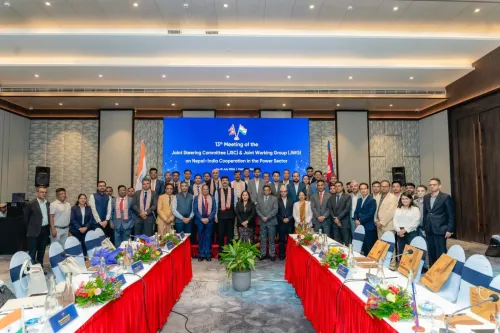
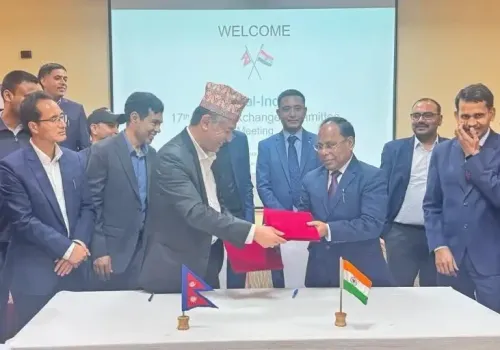
The 13th Nepal-India JSC on Power Sector Cooperation was held in Pokhara on 16 July , co-chaired by energy secretaries of both countries.
Nepal can now export up to 1,650 MW and import up to 1,400 MW through two 400 kV cross-border transmission lines .
The Dhalkebar-Sitamarhi 400 kV line is nearing completion; the Dhalkebar-Muzaffarpur link has been operational since 2016 .
The 900 MW Arun III Hydropower Project — the largest by an Indian company in Nepal — is also nearing completion, with Power Secretary Pankaj Agarwal and Ambassador Naveen Srivastava visiting the site.
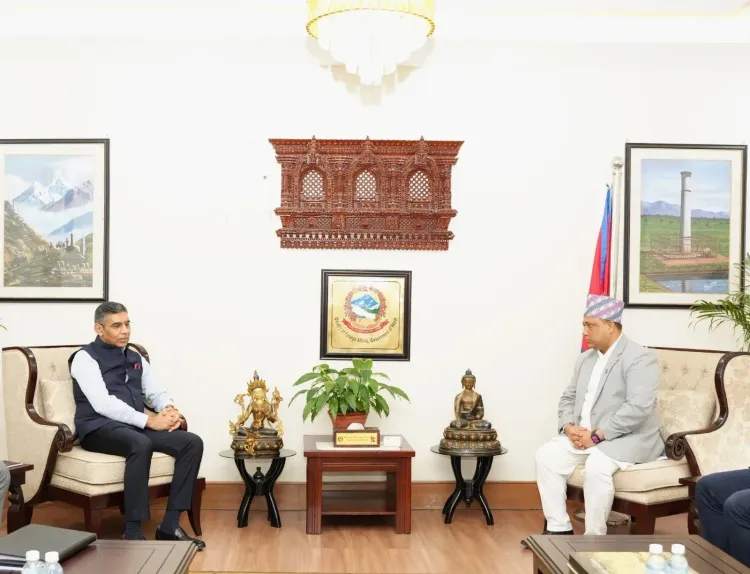
Senior diplomat Munu Mahawar, Additional Secretary (North) at India's Ministry of External Affairs (MEA), visited Kathmandu on 17 July 2025 and held talks with Nepal's Minister for Foreign Affairs Shisir Khanal and Foreign Secretary Amrit Bahadur Rai, with both sides reaffirming their commitment to deepening bilateral cooperation across multiple sectors. The visit followed the 13th meeting of the Nepal-India Joint Steering Committee (JSC) on Power Sector Cooperation, held in Pokhara on 16 July, signalling a fresh push to expand the energy partnership between the two neighbours.
What the Diplomatic Meetings Covered
The Indian Embassy in Kathmandu said the courtesy calls resulted in productive discussions on India-Nepal cooperation across various sectors and on ways to further strengthen what officials described as a unique bilateral partnership. Nepal's Ministry of Foreign Affairs echoed the sentiment, stating the talks focused on reinforcing the close and enduring ties between the two countries in areas of mutual interest.
Key Outcomes of the JSC Power Meeting
The 13th JSC meeting was co-chaired by Nepal's Energy Secretary Sarita Dawadi and India's Power Secretary Pankaj Agarwal in Pokhara. The two sides conducted a comprehensive review of bilateral power cooperation, covering hydropower development, cross-border electricity trade, and transmission infrastructure.
Discussions also touched on the coordinated operation of Indian and Nepali power grids, development of solar energy projects, cooperation in green hydrogen, and capacity building for Nepali energy professionals. Both sides agreed to expedite work on several new high-capacity cross-border transmission line projects.
Electricity Trade Targets Raised
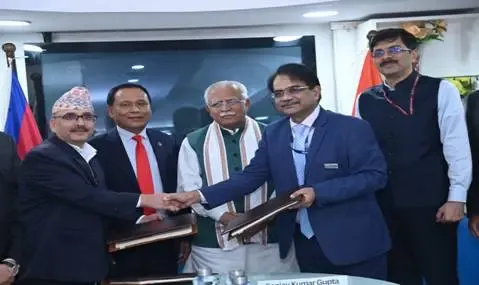
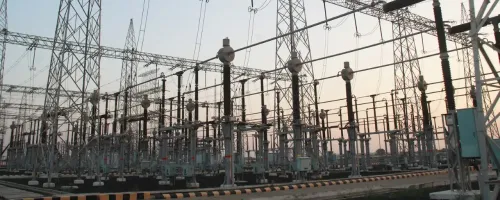
Nepal's Ministry of Energy, Water Resources and Irrigation confirmed that the two countries agreed to increase electricity trade volumes through two key cross-border links. Under the revised arrangement, Nepal can export up to 1,650 MW of electricity to India and import up to 1,400 MW through the two 400 kV cross-border transmission lines — the Dhalkebar-Muzaffarpur and Dhalkebar-Sitamarhi links.
The Dhalkebar-Muzaffarpur line has been operational since 2016, while the Dhalkebar-Sitamarhi line is nearing completion. The latter is being constructed by SJVN Arun-3 Power Development Company, a subsidiary of India's state-owned SJVN Limited, which is also developing the 900 MW Arun III Hydropower Project in eastern Nepal.
Arun III Project Inspected
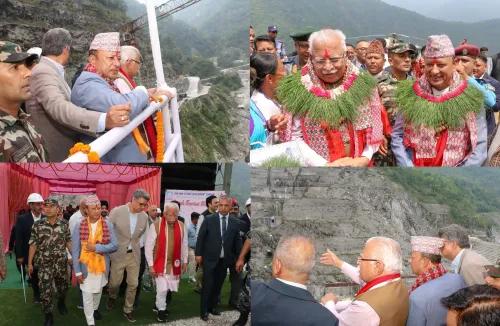
On 17 July, Power Secretary Agarwal and Indian Ambassador to Nepal Naveen Srivastava visited the 900 MW Arun III Hydropower Project site in eastern Nepal, inspecting the powerhouse and dam sites and reviewing construction progress. According to Nepali officials, the Arun III project is the largest hydropower undertaking by an Indian company in Nepal and is nearing completion.
What Comes Next
The convergence of high-level diplomatic engagement and concrete power-sector agreements suggests that India-Nepal energy cooperation is entering an accelerated phase. With the Dhalkebar-Sitamarhi line close to commissioning and the Arun III project approaching completion, both governments appear positioned to operationalise the expanded electricity trade targets in the near term.
Point of View
650 MW exports, 1,400 MW imports — are meaningful, but the real test is whether the Dhalkebar-Sitamarhi line and Arun III come online on schedule. Nepal has seen bilateral project timelines slip before, and public confidence in the partnership tracks delivery more than communiqués. India's ability to commission these projects cleanly will matter more than any joint statement.
NationPress
16 Jul 2026
Frequently Asked Questions
Why did India's MEA official visit Kathmandu in July 2025?
Munu Mahawar, Additional Secretary (North) at India's MEA, visited Kathmandu on 17 July 2025 to hold diplomatic talks with Nepal's Foreign Minister Shisir Khanal and Foreign Secretary Amrit Bahadur Rai, focusing on strengthening bilateral cooperation. The visit coincided with the 13th Nepal-India Joint Steering Committee meeting on power sector cooperation held in Pokhara.
What electricity trade agreement did India and Nepal reach?
The two sides agreed that Nepal can export up to 1,650 MW of electricity to India and import up to 1,400 MW through two 400 kV cross-border transmission lines — the Dhalkebar-Muzaffarpur and Dhalkebar-Sitamarhi links. This represents an increase in the volume of electricity traded through these corridors.
What is the current status of the Arun III Hydropower Project?
The 900 MW Arun III Hydropower Project in eastern Nepal, being developed by SJVN Arun-3 Power Development Company, is nearing completion and is the largest hydropower project undertaken by an Indian company in Nepal. India's Power Secretary Pankaj Agarwal and Ambassador Naveen Srivastava inspected the site on 17 July 2025.
What is the Dhalkebar-Sitamarhi transmission line?
The Dhalkebar-Sitamarhi line is a 400 kV cross-border transmission link between Nepal and India that is nearing completion. It is being constructed by SJVN Arun-3 Power Development Company alongside the Arun III project, complementing the Dhalkebar-Muzaffarpur line that has been operational since 2016.
What other energy areas did India and Nepal discuss at the JSC meeting?
Beyond hydropower and electricity trade, the 13th JSC meeting covered coordinated operation of the two countries' power grids, development of solar energy projects, cooperation in green hydrogen, and capacity building for Nepali energy professionals. Both sides also agreed to expedite work on new high-capacity cross-border transmission line projects.