CM Fadnavis Sets Aug 15 Deadline for GPR Phase 3 Rollout
Synopsis
Chief Minister Devendra Fadnavis chaired a GPR Phase 3 review at Sahyadri Guest House on 16 July 2026, setting a 15 August deadline for all Maharashtra departments to reach the fifth reform stage and launching Data Analytics as a Service and Mini Setu Centres to boost transparent, technology-driven citizen services.
Key Takeaways
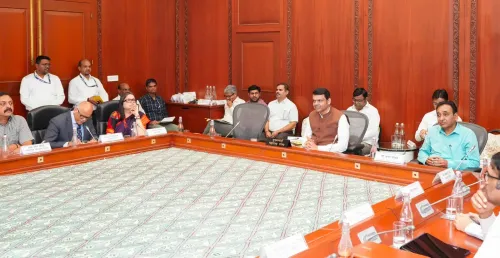
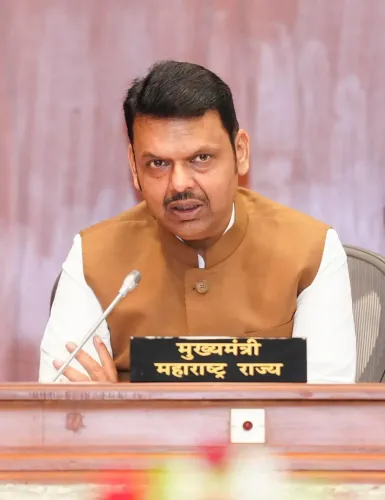
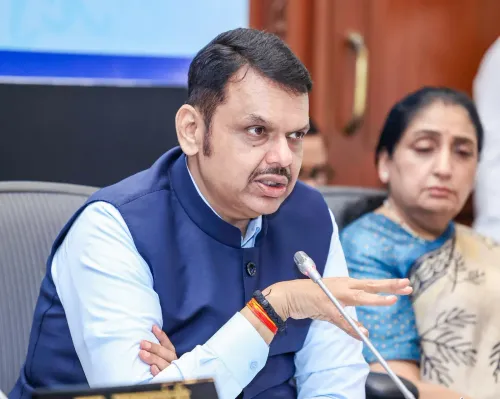
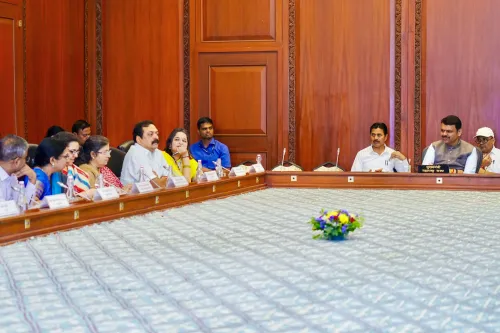
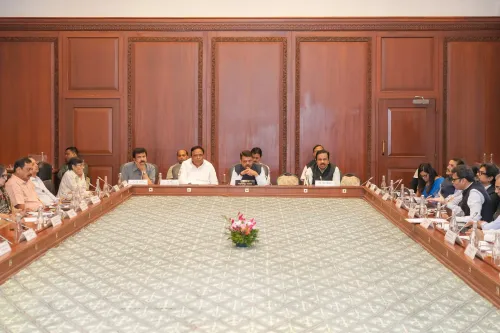
CM Devendra Fadnavis chaired a GPR Phase 3 review meeting at Sahyadri Guest House, Mumbai on 16 July 2026 .
All state departments have been directed to reach at least the fifth of six GPR stages — issuing a Government Resolution — by 15 August 2026 .
Two new projects were launched: Data Analytics as a Service and Mini Setu Centres , under the Electronics, IT and AI department.
All government services are being progressively migrated to MahaDBT 2.0 , Maitri and Aaple Sarkar 2.0 digital platforms. 'Police Dadalora Khidki' counters in Gadchiroli are being converted into Mini Setu Centres to expand service access in former Maoist-affected areas.
Departments have been asked to reduce document requirements per service and eliminate duplicate or obsolete services.
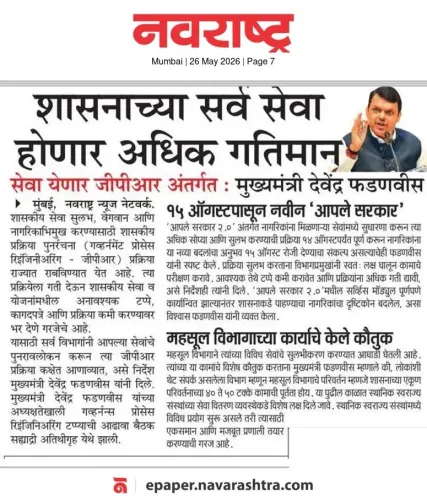
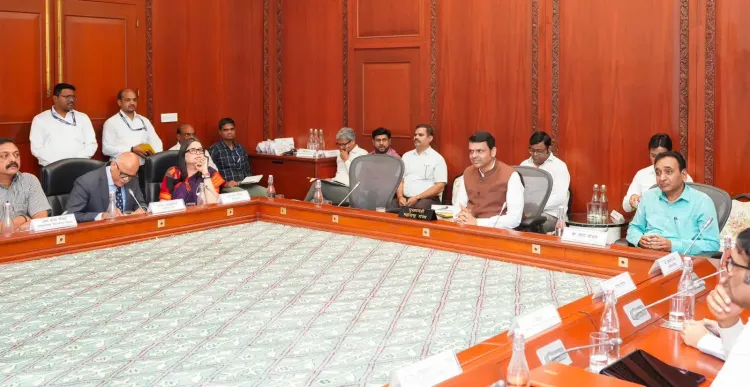
The Chief Minister's Office of Maharashtra announced on Thursday, 16 July 2026 that Chief Minister Devendra Fadnavis chaired a review meeting at Sahyadri Guest House, Mumbai, on Phase 3 of the state's Governance Process Re-Engineering (GPR) initiative, directing all departments to accelerate reforms and reach the fifth of six GPR stages by 15 August 2026.
Context
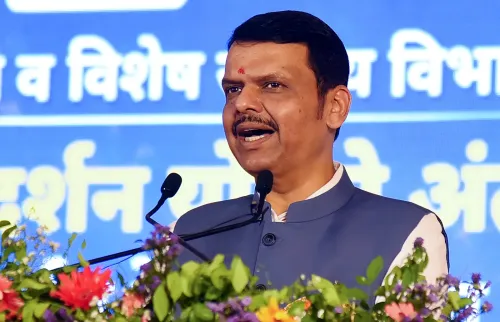
The post, shared by the official CMO Maharashtra account, states that the meeting focused on making government services 'अधिक सुलभ, पारदर्शक व तंत्रज्ञानाधारित' — 'more accessible, transparent and technology-driven.' CM Fadnavis directed every department to review each service afresh and reduce the number of documents required from citizens. He also called for Maharashtra to be recognised as the state offering the 'most citizen-friendly government services' in the country.
Two projects were launched at the meeting: Data Analytics as a Service and Mini Setu Centres, both under the Electronics, Information Technology and Artificial Intelligence department. CM Fadnavis said data analytics strengthens administrative accountability, helps prevent financial irregularities, conserves government funds and improves transparency in service delivery.
Policy Backdrop
Maharashtra's Governance Process Re-Engineering (GPR) programme defines a six-stage process for each government service: preparation of a GPR report, consultation with the Chief Minister's Office, departmental approval, technical development through MahaIT, issuance of a Government Resolution (GR), and final testing. All departments have been asked to complete at least the fifth stage — issuing the required GR — by 15 August 2026, so services are ready for final testing by Independence Day.
The reform builds on Maharashtra's earlier e-governance milestones, including the Aaple Sarkar portal launched in 2017 and the national Digital India programme, which the state joined in 2015. Under the current push, all government services are being progressively made available on three digital platforms: MahaDBT 2.0, Maitri, and Aaple Sarkar 2.0. Duplicate services have been merged and obsolete services discontinued to streamline the total service count.
Stakeholders and Impact
The reforms directly affect millions of Maharashtra citizens who interact with state departments for certificates, welfare benefits, licences and other services. The IT department has been specifically directed to build robust technical infrastructure to ensure no disruption in service delivery.
A notable element of the announcement is the conversion of 'Police Dadalora Khidki' counters in Gadchiroli district into Mini Setu Centres. Gadchiroli, an eastern Maharashtra district that was long affected by Maoist insurgency, is now being prioritised for expanded government service access as part of a broader pattern linking administrative modernisation with development in former Left-Wing Extremism areas. CM Fadnavis described this as a significant step toward citizen-centric administration in those regions.
What's Next
The immediate milestone is 15 August 2026 — Independence Day — by which all state departments must have issued the required Government Resolutions and placed their services in the final testing stage under GPR Phase 3. The Information Technology department has been tasked with ensuring the technical backbone is in place without gaps.
Performance of the newly launched Data Analytics as a Service and the Mini Setu Centres in Gadchiroli will be closely watched as indicators of whether the state can translate process re-engineering into measurable improvements in citizen experience. A successful Independence Day rollout would mark a significant milestone for Maharashtra's ambition to lead the country in ease of government service delivery.
Point of View
Auditable approach than earlier ad-hoc digitisation drives, suggesting the state has learnt from the uneven implementation of earlier portals. The Gadchiroli Mini Setu conversion is particularly significant: it links governance reform to the post-Maoist development narrative, a priority for both the state and the Centre. Whether departments can compress months of technical and procedural work into weeks will be the real test of this initiative's credibility.
NationPress
16 Jul 2026
Frequently Asked Questions
What is Governance Process Re-Engineering (GPR) in Maharashtra?
GPR is a Maharashtra state initiative to simplify, digitise and make government services more transparent through a structured six-stage review process for each service, covering report preparation, CMO consultation, departmental approval, technical development via MahaIT, issuance of a Government Resolution, and final testing.
What is the 15 August 2026 deadline for Maharashtra departments?
Chief Minister Devendra Fadnavis has directed all state departments to complete at least the fifth GPR stage — issuing the required Government Resolution — by 15 August 2026, so services are ready for final testing by Independence Day.
What are Mini Setu Centres in Maharashtra?
Mini Setu Centres are local government service delivery hubs being set up to provide citizens with access to state services, including in remote areas. In Gadchiroli district, former 'Police Dadalora Khidki' counters are being converted into Mini Setu Centres to serve communities in previously Maoist-affected regions.
What is Data Analytics as a Service launched by CM Fadnavis?
Data Analytics as a Service is a project launched by CM Devendra Fadnavis under the Electronics, IT and AI department to strengthen administrative accountability, prevent financial irregularities, conserve government funds and improve transparency in service delivery.
Which digital platforms will host Maharashtra government services under GPR?
All Maharashtra government services are being progressively made available on three digital platforms: MahaDBT 2.0, Maitri and Aaple Sarkar 2.0, with the IT department tasked to ensure uninterrupted technical infrastructure.