White House Backs ICE Removal of Convicted Criminals
Synopsis
The White House publicly backed ICE's removal of criminally convicted noncitizens on 17 July 2026, posting 'Removing the worst of the worst' on X. The phrase aligns with longstanding DHS enforcement priorities targeting public-safety threats, and signals continued executive support for aggressive interior deportation operations.
Key Takeaways
The White House posted on X on 17 July 2026 endorsing ICE removal operations with the phrase 'Removing the worst of the worst.' ICE , under DHS , is the federal agency responsible for interior enforcement and deportation of noncitizens with criminal convictions.
Prioritising removal of criminally convicted noncitizens has been a consistent policy across administrations, codified in DHS priority memos issued in 2017 and 2021 .
The statutory basis for criminal removal priorities is the Immigration and Nationality Act .
Follow-on DHS or ICE guidance memoranda and congressional oversight hearings are expected to follow.
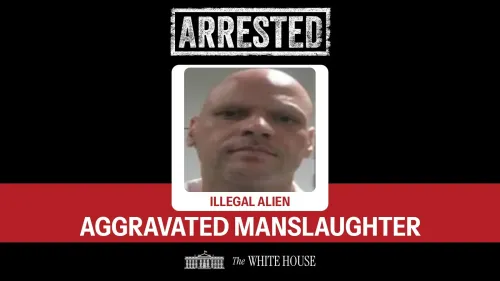
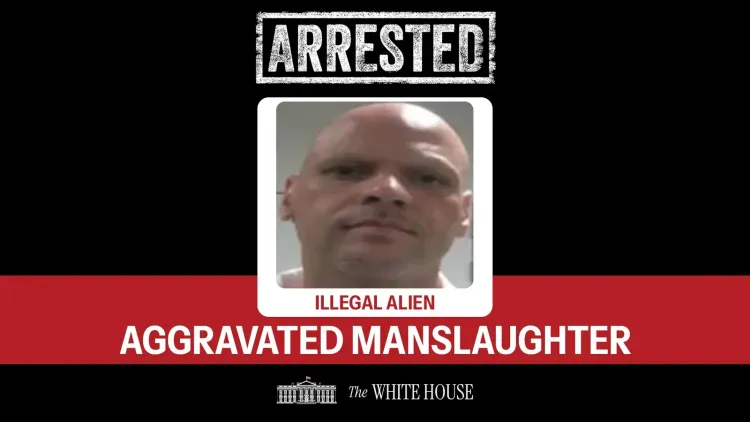
The White House, the official communications account of the Executive Office of the President of the United States, posted on X on 17 July 2026 in support of immigration enforcement action, stating it was 'Removing the worst of the worst' — a phrase widely associated with the deportation of noncitizens convicted of serious crimes.
Context
The post, a reply on the White House's official X account, used the phrase 'Removing the worst of the worst' to characterise ongoing interior immigration enforcement operations. The language signals official endorsement of removal actions targeting noncitizens with serious criminal convictions, carried out by U.S. Immigration and Customs Enforcement (ICE).
ICE is the federal agency responsible for interior enforcement and the removal of noncitizens who have violated immigration law, with a particular statutory focus on those with criminal records. The agency operates under the Department of Homeland Security (DHS).
Policy Backdrop
Prioritising the removal of criminally convicted noncitizens is not new to any single administration. DHS enforcement priority memoranda issued in 2017 and again in 2021 both directed agents to focus resources on individuals convicted of serious crimes, reflecting a statutory mandate embedded in the Immigration and Nationality Act.
The phrase 'worst of the worst' echoes language used in executive-branch communications to describe noncitizens with violent or repeat criminal convictions — the category that has consistently ranked as the highest removal priority across multiple administrations. Resource-allocation decisions by the executive branch determine how broadly or narrowly those criminal criteria are applied in practice.
Stakeholders and Impact
The primary agencies involved are ICE and DHS, whose operational tempo and enforcement priorities are shaped by White House guidance. For immigration advocates, the framing raises concerns about due-process protections and the scope of who qualifies as a removal priority.
For public-safety advocates and enforcement officials, the post signals continued political backing for aggressive interior removal operations. Congressional oversight committees that monitor ICE operations are also key stakeholders, as they control appropriations and can call hearings to scrutinise enforcement data.
What's Next
Observers will watch for follow-on DHS or ICE guidance memoranda that formally update enforcement priorities in line with the White House's stated position. Scheduled congressional oversight hearings on interior removal operations are also expected to examine the scale and legal basis of current deportation drives.
The White House's public amplification of enforcement messaging suggests the administration intends to keep immigration removal — particularly of individuals with criminal convictions — at the centre of its domestic policy communications in the weeks ahead.
Point of View
Making pushback politically difficult while leaving the operational definition of 'worst' to executive discretion. This fits a broader pattern in which successive administrations have used criminal-priority framing to build consensus for enforcement expansions that can later widen in scope. For Indian observers, the post is a reminder of how US immigration enforcement posture shapes the broader global debate on migration governance and rule of law.
NationPress
17 Jul 2026
Frequently Asked Questions
What did the White House post about ICE on 17 July 2026?
The White House posted on X stating 'Removing the worst of the worst,' publicly endorsing ICE operations to deport noncitizens with serious criminal convictions.
What does 'worst of the worst' mean in US immigration enforcement?
The phrase refers to noncitizens with serious or violent criminal convictions who are ranked as the highest removal priority under DHS enforcement guidelines.
What is ICE and what does it do?
ICE, or U.S. Immigration and Customs Enforcement, is the federal agency under DHS responsible for interior immigration enforcement, including the arrest and deportation of noncitizens who violate immigration law.
Has the US always prioritised deporting criminals over other immigrants?
Yes — DHS enforcement priority memoranda issued in 2017 and 2021 both directed agents to focus on noncitizens with criminal records, reflecting a mandate in the Immigration and Nationality Act that has persisted across administrations.
What happens next after the White House's ICE deportation post?
Observers expect follow-on DHS or ICE guidance memoranda updating enforcement priorities, as well as congressional oversight hearings examining the scale and legal basis of current interior removal operations.