Nepal opens first road tunnel: 2.68-km Nagdhunga link cuts Kathmandu travel time
Synopsis
Nepal has crossed a landmark infrastructure threshold — its first road tunnel, the 2.68-km Nagdhunga-Sisneri link, is now open after nearly seven years of construction, cost overruns, and community disputes. With around two dozen more tunnel projects in feasibility studies, this inauguration is less a one-off milestone and more the opening chapter of a national tunnelling programme.
Key Takeaways
Nepal's first road tunnel , the Nagdhunga-Sisneri Tunnel , was formally inaugurated on 27 July 2025 by Infrastructure Development Minister Sunil Lamsal .
The 2.68-km tunnel on the Prithvi Highway is expected to cut Kathmandu entry travel time by 20 to 30 minutes .
Built with Japanese concessional loan assistance ; 98% of the workforce was Nepali.
Only emergency vehicles permitted during the first 10 days ; a three-month testing phase precedes full public access.
Total project cost reached approximately 24 billion Nepali rupees , taking nearly seven years against an original 42-month timeline.
Around two dozen additional tunnel projects are under feasibility study, with the Siddhababa Tunnel in Palpa District already under construction.
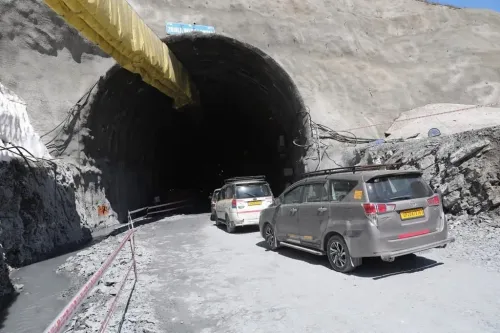
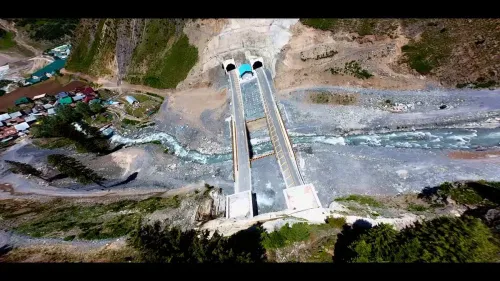
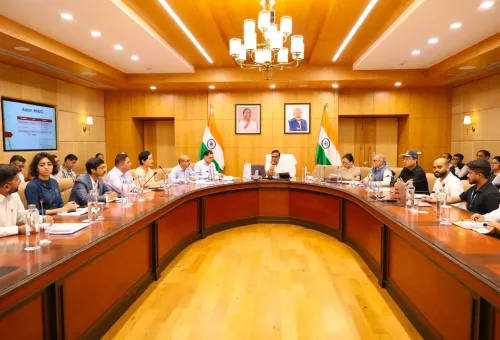
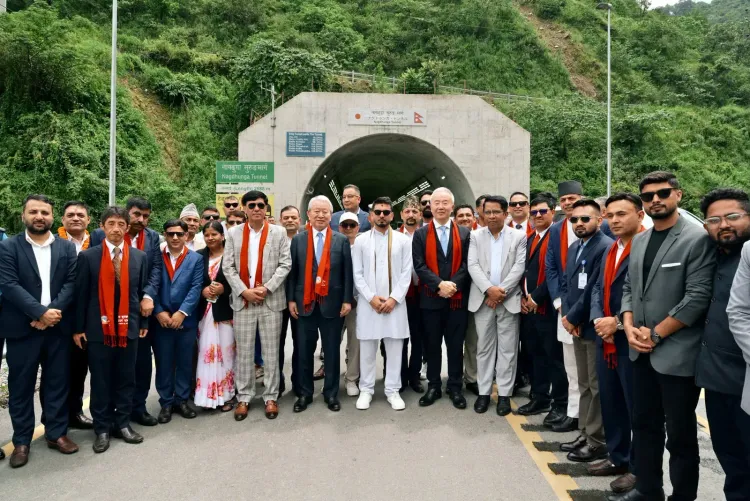
Nepal formally inaugurated its first-ever road tunnel on Monday, 27 July 2025, as Infrastructure Development Minister Sunil Lamsal opened the Nagdhunga-Sisneri Tunnel — a 2.68-kilometre stretch along the Prithvi Highway at the western gateway to the Kathmandu Valley. The milestone marks Nepal's entry into the era of tunnel infrastructure, with government officials and diplomats attending the ceremony.
What the Tunnel Changes
The new tunnel is set to cut travel time by 20 to 30 minutes for commuters entering Kathmandu from the west. Until now, vehicles were forced to navigate a slow, winding mountain road at Nagdhunga, making the approach to the capital both time-consuming and difficult. The tunnel bypasses that stretch entirely, offering a direct, faster route.
Built with concessional loan assistance from the Japanese government, the project reflects a decade-long infrastructure partnership between Nepal and Japan. Japanese Ambassador to Nepal Maeda Toru, speaking at the inauguration, highlighted the depth of local involvement: 'Nearly 98 per cent of the engineers, technicians and workers involved in the project were Nepali, whose commitment was indispensable to its successful completion,' he said.
Japan-Nepal Technical Partnership
Ambassador Maeda noted that Japanese experts had worked closely with Nepali engineers, transferring knowledge and strengthening safety and quality management practices. He also announced that the two countries would launch a new technical cooperation initiative to build Nepal's capacity in tunnel planning, construction, maintenance, and operation — signalling that this project is as much about skill transfer as it is about infrastructure.
'The experience gained through this tunnel will enable these engineers to play a leading role in Nepal's future infrastructure development,' Maeda added.
Phased Opening and Operation
Despite the formal inauguration, the tunnel will not be immediately open to all traffic. During the first 10 days, only emergency vehicles — including ambulances, fire engines, and security force vehicles — will be permitted to use it, according to the Nagdhunga Tunnel Project Office. A three-month testing phase will follow before the tunnel is opened to regular traffic of all vehicle types.
Operation and maintenance — covering traffic management, emergency response, and toll collection — has been awarded for the next five years to a joint venture between China's Yusin and Nepal's ART, selected through competitive bidding. The award of the contract to the Chinese-led joint venture reportedly drew reservations from the Japanese side, though the government proceeded given Nepal's lack of prior experience managing a toll road tunnel.
Construction Delays and Cost
Construction officially began on 21 October 2019, when then Prime Minister K P Sharma Oli laid the foundation stone. Originally slated for completion within 42 months, the project ran nearly seven years — delayed by the Covid-19 pandemic, land compensation disputes, and conflicts with local communities over drinking water and related issues.
The total project cost reached approximately 24 billion Nepali rupees, according to the project office.
What Comes Next
Minister Lamsal signalled that the Nagdhunga tunnel is only the beginning. 'We will build more tunnels like this throughout the country. We have learned many lessons during the construction of this project. We have now formally entered the tunnel era,' he told journalists after the inauguration.
The Siddhababa Tunnel in Palpa District in western Nepal is already under construction, and the Department of Roads is conducting feasibility studies for approximately two dozen additional road tunnel projects across the country. Nepal's tunnel ambitions, long constrained by terrain and financing, appear to be gaining serious momentum.
Point of View
And the cost overruns and community conflicts that dogged it are unlikely to be unique to this project. The decision to hand operation and maintenance to a Chinese-led joint venture, reportedly over Japanese objections, adds a geopolitical undercurrent to what is nominally a bilateral Japan-Nepal success story. With two dozen more tunnels in the pipeline, Nepal's ability to execute on schedule and manage competing stakeholder interests will be the real test of whether it has truly 'entered the tunnel era' — or simply opened a single one.
NationPress
26 Oct 2026
Frequently Asked Questions
What is the Nagdhunga-Sisneri Tunnel in Nepal?
The Nagdhunga-Sisneri Tunnel is Nepal's first road tunnel — a 2.68-kilometre stretch of the Prithvi Highway at the western entrance to the Kathmandu Valley. Inaugurated on 27 July 2025, it is designed to cut travel time into Kathmandu by 20 to 30 minutes by bypassing the existing winding mountain road at Nagdhunga.
Who funded the Nagdhunga Tunnel project?
The tunnel was built with concessional loan assistance from the Japanese government. Japan also provided technical expertise, though nearly 98% of the engineers, technicians, and workers on the project were Nepali, according to Japanese Ambassador Maeda Toru.
When will the Nagdhunga Tunnel open to all vehicles?
Only emergency vehicles — ambulances, fire engines, and security force vehicles — are permitted during the first 10 days after inauguration. A three-month testing phase will follow before the tunnel is opened to regular traffic of all vehicle types.
Why did the Nagdhunga Tunnel take so long to build?
Construction began on 21 October 2019 and was originally scheduled for completion within 42 months, but took nearly seven years. Delays were caused by the Covid-19 pandemic, land compensation disputes, and conflicts with local communities over drinking water and other issues.
Are more road tunnels planned in Nepal?
Yes. The Siddhababa Tunnel in Palpa District in western Nepal is already under construction, and the Department of Roads is conducting feasibility studies for approximately two dozen additional road tunnel projects across the country. Minister Sunil Lamsal confirmed at the inauguration that Nepal plans to build more tunnels nationwide.