Gadkari hails Zojila Tunnel breakthrough, Asia's longest
Synopsis
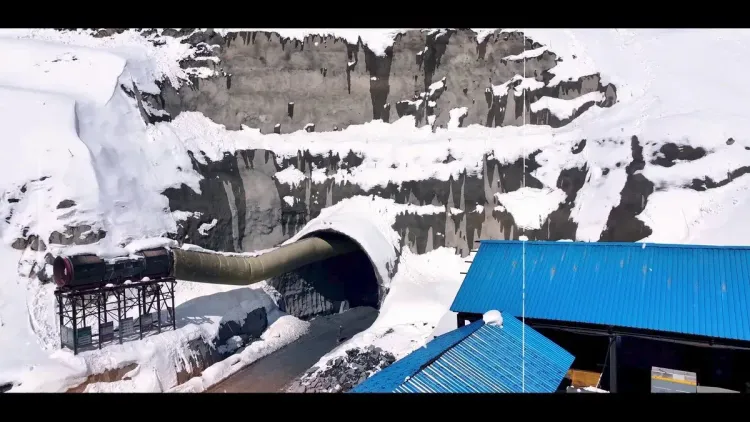
Union Minister Nitin Gadkari on June 9, 2026, celebrated the historic breakthrough of the Zojila Main Tunnel — billed as Asia's longest at 14.15 km — on NH-1, a Rs 6,800-crore project under Bharatmala Pariyojana set to deliver all-weather connectivity between Srinagar and Leh.
Key Takeaways
Union Minister Nitin Gadkari announced the historic breakthrough of the Zojila Main Tunnel on June 9, 2026 .
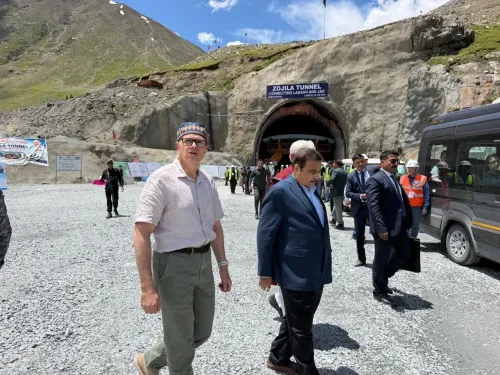
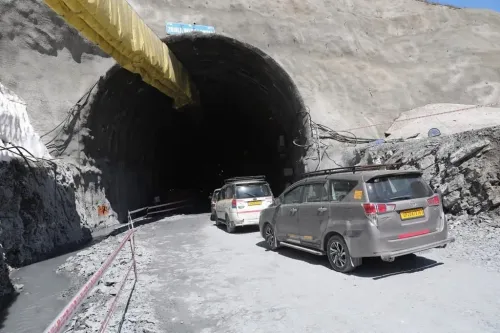
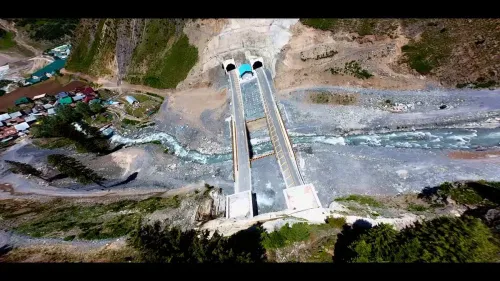
The tunnel is 14.15 km long and bi-directional, located on National Highway-1 beneath the Zojila Pass .
The project was approved by the Cabinet in 2018 at an estimated cost exceeding Rs 6,800 crore under Bharatmala Pariyojana .
Once operational, the tunnel will provide all-weather connectivity between Srinagar and Leh , ending seasonal isolation of Ladakh .
The project aligns with the PM Gati Shakti national master plan and strengthens defence logistics to forward areas near the Line of Actual Control .
Finishing work — including ventilation, safety systems, and approach roads — remains before the tunnel opens to traffic.
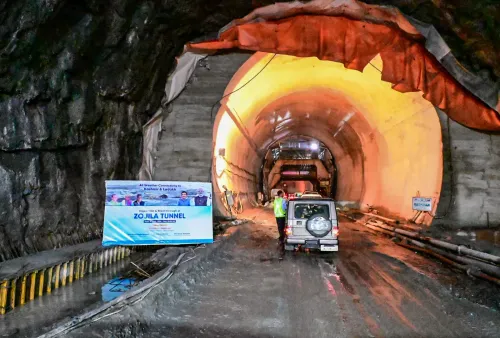
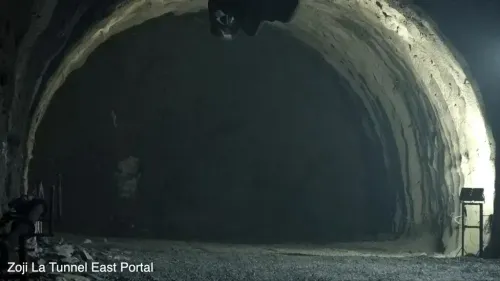
Union Road Transport and Highways Minister Nitin Gadkari on Tuesday, June 9, 2026, celebrated the historic breakthrough of the Zojila Main Tunnel, calling it a symbol of India's technological prowess, engineering capability, and indomitable resolve. The minister posted a video on X marking what he described as a landmark moment for the 14.15-km bi-directional tunnel on National Highway-1, which will provide all-weather connectivity between Srinagar and Leh.
Context
Gadkari's post hailed the Zojila breakthrough as 'एशिया की सबसे लंबी सुरंग' ('Asia's longest tunnel') and a testament to India's engineering ambition. A tunnel breakthrough — the moment the boring machine pierces through the final rock face connecting two ends — is a critical civil-engineering milestone, signalling that the tunnel's excavation is complete and finishing work can begin. The minister used hashtags #ZojilaTunnel, #AllWeatherRoad, and #GatiShakti, anchoring the achievement within the government's flagship infrastructure narrative.
Policy Backdrop
The Zojila Tunnel project received Cabinet approval in 2018 at an estimated cost exceeding Rs 6,800 crore, with the foundation stone laid by Prime Minister Narendra Modi in May 2018. The project was incorporated under the Bharatmala Pariyojana, a national programme for developing economic corridors and border roads. It is also aligned with the PM Gati Shakti national master plan, launched in 2021, which integrates infrastructure development across ministries to enable seamless multimodal connectivity. The tunnel employs the New Austrian Tunnelling Method to navigate the challenging geology beneath the Zojila Pass, one of the world's most treacherous high-altitude mountain passes.
The Zojila Pass, situated at an altitude of over 11,500 feet, remains snowbound for roughly six months each year, effectively cutting off Ladakh from the Kashmir Valley and the rest of India during winter. The tunnel is designed to eliminate this seasonal isolation, keeping the Srinagar–Leh highway open through the harshest winters.
Stakeholders and Impact
The tunnel's completion will directly benefit Ladakh's approximately 2.74 lakh residents who face months of supply-chain disruption every winter. Defence logistics to forward areas along the Line of Actual Control (LAC) will also be significantly enhanced, as the Border Roads Organisation (BRO) and the armed forces have long depended on this corridor for the movement of troops and materiel. Traders, tourists, and the broader economy of the Union Territory of Ladakh stand to gain from year-round road access, lower freight costs, and reduced travel times on the Srinagar–Leh route.
The project forms part of a broader Himalayan connectivity push that includes parallel initiatives such as the Shinku La Tunnel, aimed at opening an alternate all-weather route to Ladakh via Himachal Pradesh. Together, these projects represent a sustained strategic and developmental commitment to India's northernmost frontier.
What's Next
With the breakthrough achieved, attention now shifts to the remaining civil, electrical, and safety fitout work inside the tunnel before it can be declared open to traffic. Full operationalisation will require completion of ventilation systems, emergency lay-bys, fire-suppression infrastructure, and the approach roads on both the Srinagar and Leh sides. Once operational, the tunnel is expected to cut the current Srinagar–Leh travel time substantially and transform logistics across the region, reinforcing India's strategic posture along its northern borders.
Point of View
Allowing the BJP to point to a tangible, strategic deliverable in a sensitive border region. For Gadkari personally, it reinforces his standing as the most execution-oriented minister in the cabinet, with a track record of large-scale highway and tunnel completions. The project's dual civilian-strategic value — connecting Ladakh residents while enhancing military logistics near the LAC — gives it unusual cross-partisan resonance. It also signals that India's ambition to replicate Himalayan tunnel technology at scale, from Rohtang to Zojila to Shinku La, is moving from aspiration to delivery.
NationPress
23 Oct 2026
Frequently Asked Questions
What is the Zojila Tunnel and where is it located?
The Zojila Tunnel is a 14.15-km bi-directional tunnel on National Highway-1 beneath the Zojila Pass in Jammu and Kashmir , designed to provide all-weather road connectivity between Srinagar and Leh .
How much does the Zojila Tunnel project cost?
The Cabinet approved the Zojila Tunnel project in 2018 at an estimated cost exceeding Rs 6,800 crore , and it is being developed under the Bharatmala Pariyojana .
What does the Zojila Tunnel breakthrough mean?
A tunnel breakthrough is the moment the excavation machine pierces through the final rock face, connecting both ends of the tunnel. It signals that digging is complete and the project can move to finishing, safety, and fit-out works before opening to traffic.
Why is the Zojila Tunnel important for Ladakh?
The Zojila Pass is snowbound for roughly six months a year, cutting off Ladakh from the rest of India. The tunnel will eliminate this seasonal isolation, ensuring year-round supply of essentials and strengthening defence logistics near the Line of Actual Control .
When will the Zojila Tunnel open for traffic?
No official opening date has been announced. Following the June 2026 breakthrough, remaining work includes ventilation systems, emergency infrastructure, and approach roads on both the Srinagar and Leh sides before the tunnel can be declared open to traffic.