Omar Abdullah joins Gadkari at Zojila Tunnel breakthrough blast
Synopsis
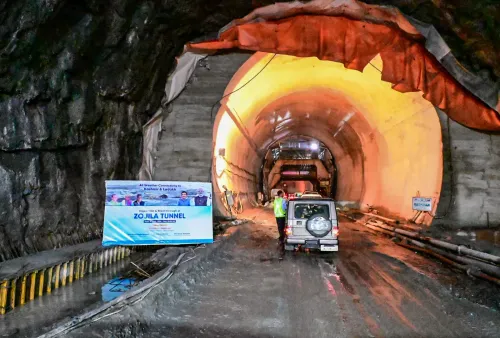
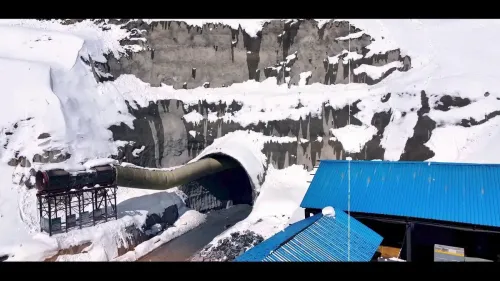
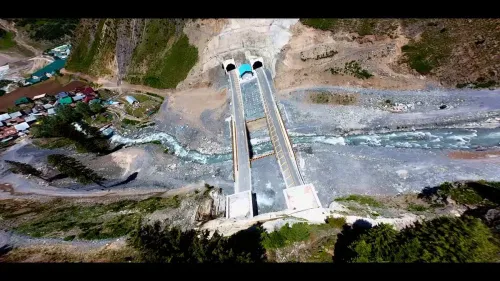
J&K Chief Minister Omar Abdullah joined Union Minister Nitin Gadkari for a breakthrough blast at the Zojila Tunnel site on 9 June 2026. The 14.15-km all-weather tunnel on NH-1, approved in 2018 at ₹6,809 crore under Bharatmala Pariyojana, will end Ladakh's seasonal road isolation when completed.
Key Takeaways
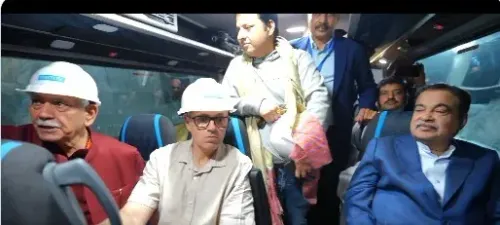
Omar Abdullah and Nitin Gadkari jointly attended the breakthrough blast at the Zojila Tunnel site on 9 June 2026 .
The Zojila Tunnel is a 14.15-km bi-directional road tunnel on NH-1 , designed to provide all-weather connectivity between the Kashmir Valley and Ladakh .
The project was approved by the Union Cabinet in January 2018 at an estimated cost of ₹6,809 crore under the Bharatmala Pariyojana .
The tunnel will end the seasonal closure of Zojila Pass , which blocks road access to Ladakh for nearly six months each year.
Key beneficiaries include Ladakh residents, Kashmir Valley traders, and defence forces deployed near the Line of Actual Control .
The project complements the Atal Tunnel at Rohtang as part of India's broader Himalayan all-weather connectivity push.
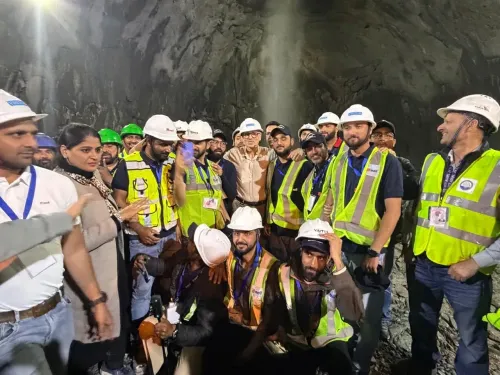
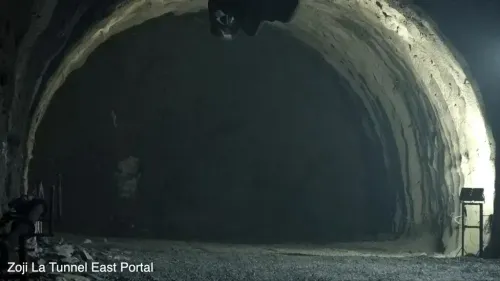
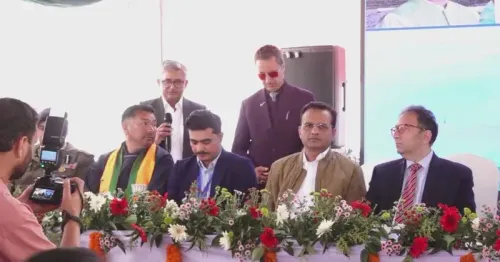
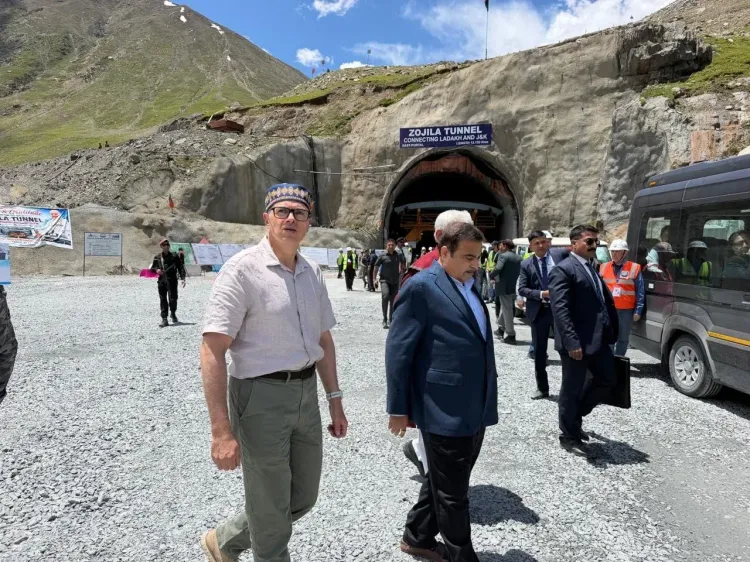
Jammu and Kashmir Chief Minister Omar Abdullah joined Union Minister for Road Transport and Highways Nitin Gadkari at the Zojila Tunnel site on Tuesday, 9 June 2026, for a breakthrough blast that marks a significant milestone in the completion of the 14.15-kilometre all-weather tunnel project on NH-1.
Sharing the moment on X, CM Abdullah wrote: 'It was a pleasure to join Nitin Gadkari Sb for the breakthrough blast at the #ZojilaTunnel site marking a major milestone in the completion of this project. When finally completed this tunnel will change the lives of people, especially in the UT of Ladakh.'
Context
The Zojila Pass, sitting at an altitude of approximately 3,528 metres, remains snow-bound for nearly six months each year, cutting off the Ladakh region from the Kashmir Valley and the rest of the country. The tunnel, once operational, will provide round-the-clock, all-weather road connectivity through the pass, eliminating the seasonal closure that has long constrained civilian movement, trade, and military logistics.
The project received Union Cabinet approval in January 2018 at an estimated cost of ₹6,809 crore under the Bharatmala Pariyojana, the Centre's flagship national highway development programme. A breakthrough blast — the moment tunnelling from both ends meets — is a standard engineering milestone confirming that the bore has been successfully completed through the mountain.
Policy Backdrop
India has sharply accelerated all-weather connectivity projects across the Himalayas following the 2019 reorganisation of the erstwhile state of Jammu and Kashmir into two Union Territories. The Zojila Tunnel is conceived as a strategic complement to the Atal Tunnel at Rohtang, which was inaugurated in October 2020 and now provides year-round access to the Lahaul-Spiti valley in Himachal Pradesh.
Together, these projects form part of a broader push to reduce the seasonal isolation of Ladakh and improve year-round access near the Line of Actual Control (LAC), where reliable logistics have direct implications for national security. The Zojila Tunnel is being built as a bi-directional road tunnel, designed to carry traffic in both directions simultaneously.
Stakeholders and Impact
The primary beneficiaries of the project are the residents of Ladakh, who have historically faced acute shortages of essential supplies during the months when Zojila Pass remains closed. Traders in the Kashmir Valley who supply goods to Leh and surrounding areas stand to gain from uninterrupted road access, reducing dependence on expensive air freight.
Defence forces deployed along the LAC with China will also benefit significantly, as the tunnel will enable faster and more reliable movement of troops and military equipment through all seasons. The project is expected to have a multiplier effect on tourism, horticulture exports, and the overall economy of Ladakh.
What's Next
The breakthrough blast moves the project into its finishing phase, which includes civil works, installation of ventilation and safety systems, and road-surfacing inside the tunnel. Authorities and stakeholders will be watching closely for an official operationalisation timeline from the Ministry of Road Transport and Highways.
Progress on parallel connectivity projects — including the Z-Morh Tunnel linking Sonmarg to the national highway network and the proposed Shinku La Tunnel — will also be tracked as part of the broader effort to provide Ladakh with multiple all-weather road corridors, reducing strategic vulnerability and opening new economic possibilities for the region.
Point of View
Lending political weight to what are primarily engineering achievements. With the LAC situation remaining a long-term concern, the dual civilian-military utility of the tunnel ensures it will remain high on the policy priority list until operationalisation.
NationPress
26 Oct 2026
Frequently Asked Questions
What is the Zojila Tunnel and why is it important?
The Zojila Tunnel is a 14.15-km all-weather bi-directional road tunnel being built under Zojila Pass on NH-1 to connect the Kashmir Valley with Ladakh . It is important because Zojila Pass remains closed for nearly six months a year due to heavy snowfall, cutting off Ladakh from the rest of India by road.
What is a breakthrough blast in tunnel construction?
A breakthrough blast is the moment in tunnel construction when boring from both ends of the tunnel meets in the middle, confirming the bore has been successfully driven through the mountain. It is a major engineering milestone indicating that the tunnelling phase is complete and finishing works can begin.
How much does the Zojila Tunnel project cost?
The Zojila Tunnel project was approved by the Union Cabinet in January 2018 at an estimated cost of ₹6,809 crore under the Bharatmala Pariyojana .
Who attended the Zojila Tunnel breakthrough blast in June 2026?
Jammu and Kashmir Chief Minister Omar Abdullah and Union Minister for Road Transport and Highways Nitin Gadkari attended the breakthrough blast at the Zojila Tunnel site on 9 June 2026 .
How will the Zojila Tunnel benefit Ladakh?
Once completed, the Zojila Tunnel will provide year-round road connectivity to Ladakh , ending seasonal isolation, ensuring a steady supply of essential goods, boosting trade and tourism, and improving military logistics for defence forces deployed near the Line of Actual Control .