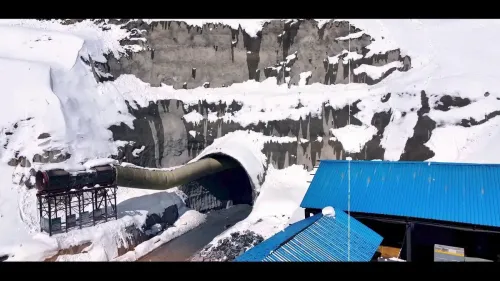
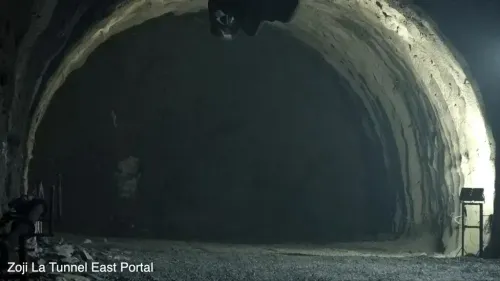
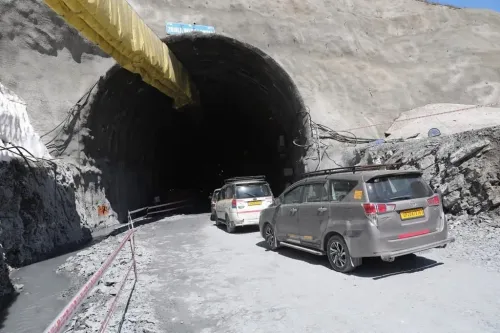
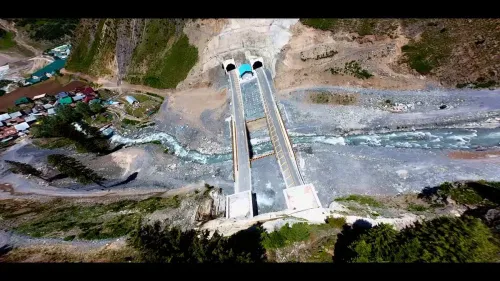
Gadkari at Zojila Tunnel Eastern Portal Breakthrough Ceremony
Synopsis
Union Minister Nitin Gadkari attended the Zojila Tunnel Eastern Portal breakthrough ceremony on June 9, 2026, a major milestone on the 14.2-km all-weather tunnel linking Srinagar and Leh on NH-1. The project is part of Bharatmala and PM Gati Shakti, and will end Ladakh's seasonal isolation.
Key Takeaways
Union Minister Nitin Gadkari attended the Zojila Tunnel Eastern Portal breakthrough ceremony on June 9, 2026 .
The Zojila Tunnel is 14.2 kilometres long and will provide all-weather connectivity between Srinagar and Leh on National Highway 1 .
Cabinet approved the project in 2018 ; it is part of the Bharatmala Pariyojana and PM Gati Shakti framework.
The tunnel will end months-long seasonal isolation of Ladakh caused by snow closure of the Zojila Pass .
Defence forces will gain year-round road access to the Line of Actual Control once the tunnel is commissioned.
Remaining works include tunnel lining, ventilation, electrical systems, and integration with the Z-Morh Tunnel on the same corridor.
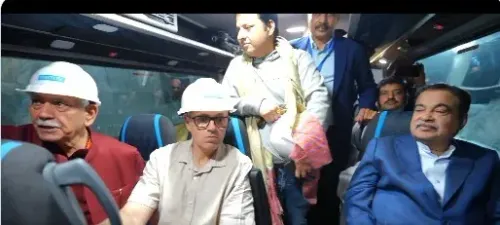
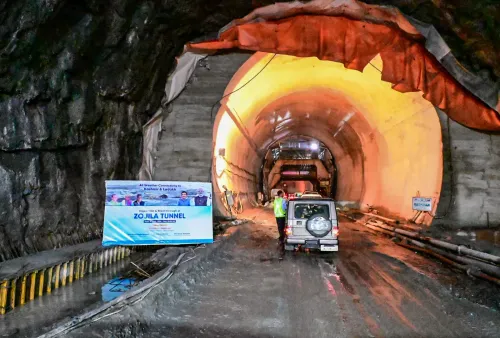
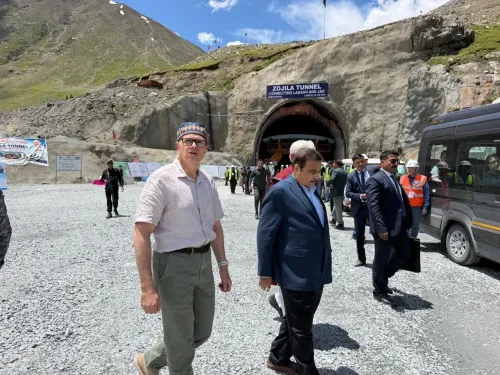
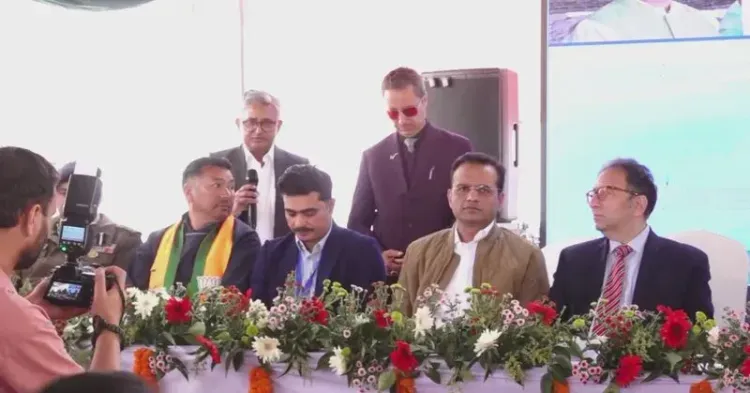
Union Road Transport and Highways Minister Nitin Gadkari attended the breakthrough ceremony at the Zojila Tunnel Eastern Portal on Tuesday, June 9, 2026, marking a significant construction milestone on the 14.2-kilometre all-weather tunnel that will permanently link Srinagar and Leh through the Zojila Pass on National Highway 1. The Minister livestreamed the event and addressed a press conference at the site, sharing the development under the hashtags #ZojilaTunnel, #AllWeatherRoad, and #PragatiKaHighway.
Context
The Zojila Tunnel is designed to replace the existing Zojila Pass route, which remains snowbound and impassable for several months each year, cutting off Ladakh from the Kashmir Valley. The eastern portal breakthrough represents the moment tunnelling machinery punches through from one side, a critical engineering milestone before final lining, mechanical and electrical works can begin. Minister Gadkari's presence at the site underscores the strategic and political weight the government attaches to this project.
The tunnel runs beneath one of the most challenging high-altitude terrains in the world, at elevations exceeding 3,500 metres, and has required specialised boring equipment and round-the-clock construction schedules to navigate extreme geological conditions.
Policy Backdrop
Cabinet approval for the Zojila Tunnel was granted in 2018, and construction commenced the same year. The project sits within the broader Bharatmala Pariyojana programme, India's flagship national highway development initiative, and is aligned with the PM Gati Shakti National Master Plan launched in 2021 for integrated, multi-modal infrastructure development.
Gati Shakti specifically emphasises border and strategic connectivity, and the Zojila corridor — which also includes the Z-Morh Tunnel providing all-weather access to Sonamarg — is one of its highest-priority western Himalayan projects. India has accelerated tunnel and highway construction in Jammu and Kashmir and Ladakh in recent years, reducing dependence on mountain passes vulnerable to weather and geopolitical pressure.
Stakeholders and Impact
The tunnel's completion will directly benefit Ladakh's civilian population, which currently faces months of isolation each winter when the Zojila Pass closes. Supply chains for essential goods, medicines, and fuel — currently dependent on the Manali-Leh highway or costly air transport — will gain a reliable year-round alternative.
For India's defence forces, the tunnel represents a strategic asset, enabling rapid troop and equipment movement to the Line of Actual Control regardless of weather or season. The tourism economy of both Kashmir and Ladakh is also expected to benefit significantly from uninterrupted connectivity.
What's Next
Following the eastern portal breakthrough, construction teams will move into the final phases of tunnel lining, waterproofing, and installation of mechanical and electrical systems including ventilation, lighting, and safety infrastructure. Integration with the Z-Morh Tunnel on the same NH-1 corridor remains a key milestone for completing fully seamless all-weather connectivity between Srinagar and Leh.
Minister Gadkari's on-site press conference is expected to provide a detailed project timeline and a formal update on the remaining works, signalling the government's intent to push the project toward commissioning in the coming phases.
Point of View
Coming as part of a sustained push to showcase tangible infrastructure delivery in border regions. Gadkari's personal presence and live broadcast signal the government's intent to frame this as a flagship achievement under the Gati Shakti and Bharatmala narratives. The Zojila corridor — combining the Z-Morh and Zojila tunnels — represents India's most consequential all-weather connectivity project in the western Himalayas, with direct implications for civil supply chains, tourism, and military logistics in Ladakh. Completion will test whether project timelines hold after years of geological and logistical challenges at extreme altitude.
NationPress
24 Oct 2026
Frequently Asked Questions
What is the Zojila Tunnel and where is it located?
The Zojila Tunnel is a 14.2-kilometre bidirectional tunnel being built under the Zojila Pass on National Highway 1 in Jammu and Kashmir, designed to provide all-weather road connectivity between Srinagar and Leh in Ladakh.
What happened at the Zojila Tunnel on June 9, 2026?
Union Minister Nitin Gadkari attended the breakthrough ceremony at the Zojila Tunnel's eastern portal on June 9, 2026, a key construction milestone, and held a press conference at the site.
When did construction of the Zojila Tunnel begin?
Construction of the Zojila Tunnel began in 2018 after the Union Cabinet approved the project to replace the seasonal and weather-vulnerable Zojila Pass route.
How will the Zojila Tunnel benefit Ladakh?
The tunnel will end Ladakh's seasonal isolation by keeping the Srinagar-Leh route open year-round, improving supply chains for essential goods, enabling faster movement of defence forces to the Line of Actual Control, and boosting the tourism economy.
What is the PM Gati Shakti connection to the Zojila Tunnel?
The Zojila Tunnel is aligned with the PM Gati Shakti National Master Plan, launched in 2021, which prioritises integrated multi-modal infrastructure and strategic border connectivity across India.