Zojila Tunnel breakthrough: Gadkari attends historic 13-km milestone in Ladakh
Synopsis
India's most ambitious high-altitude tunnel project crossed its defining milestone on Tuesday as the excavation of the 13.153-km Zojila Tunnel was completed in Ladakh's Drass district. For a corridor that has been seasonally severed by snow and avalanches for decades, this breakthrough brings year-round Srinagar-Ladakh connectivity — and a critical strategic asset on a sensitive border frontier — within reach.
Key Takeaways
Nitin Gadkari attended the final excavation breakthrough of the 13.153-km Zojila Tunnel on 9 June 2025 at Minmarg, Drass district, Ladakh .
The tunnel connects Baltal (Sonmarg, J&K) to Minmarg (Drass, Ladakh) at an elevation of 11,578 ft above sea level.
Once operational, it will provide 365-day all-weather connectivity between Srinagar and Ladakh , ending seasonal road isolation.
The project began on 1 October 2020 and has logged 10 million safe man-hours .
Over 1,200 personnel are working on the project, with 80% being local residents.
The tunnel holds both civilian and strategic military significance as a key logistics corridor on a sensitive border frontier.
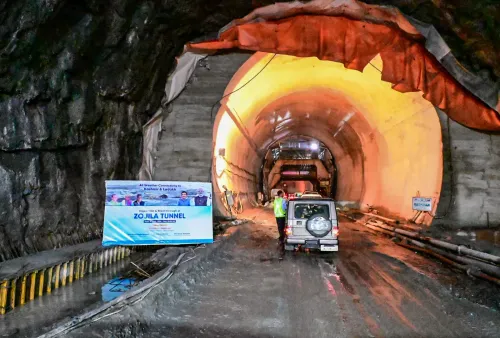
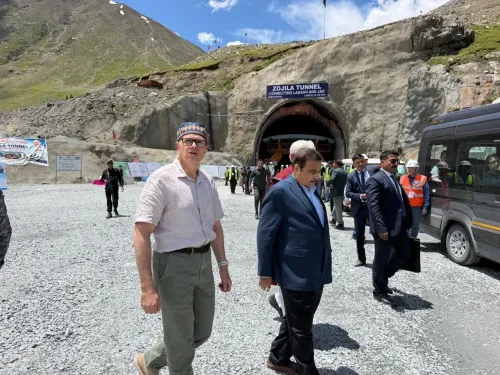
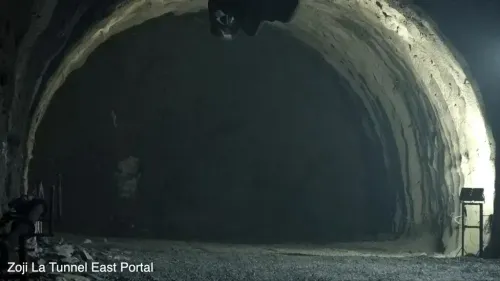
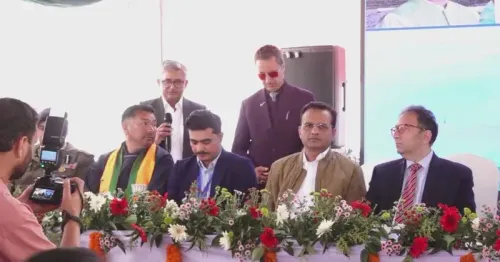
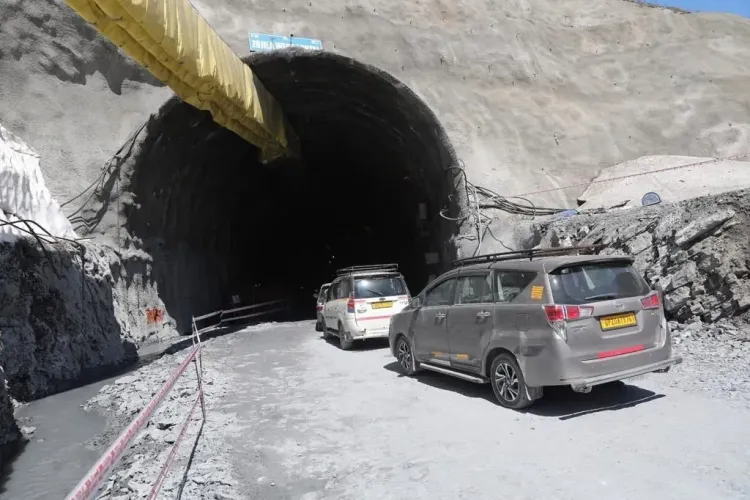
Union Minister for Road Transport and Highways Nitin Gadkari on Tuesday, 9 June attended the final excavation breakthrough ceremony of the 13.153-km Zojila Tunnel at the Minmarg side in Drass district, Ladakh — marking what officials describe as a defining milestone in India's mountain infrastructure history. The breakthrough signals the completion of the most critical underground excavation phase of a project designed to deliver 365-day all-weather connectivity between Srinagar and Ladakh.
What the Breakthrough Means
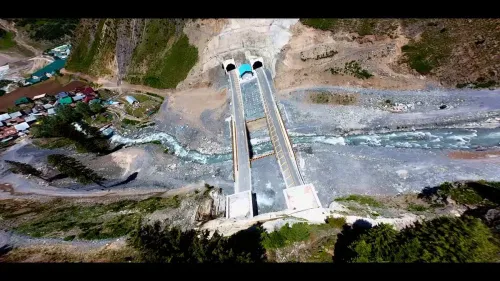
The final breakthrough completes the excavation of the tunnel stretching between Baltal, near the Sonmarg hill station in Jammu and Kashmir, and Minmarg in Ladakh's Drass district. Situated at an elevation of 11,578 ft above sea level, the tunnel cuts through one of the most geologically demanding Himalayan corridors in the country.
According to officials, the achievement 'marks the defining construction milestone of the excavation phase and reflects the successful completion of the most critical stage of underground works in highly demanding terrain.' With excavation now complete, the project advances toward finishing, fit-out, and eventual commissioning.
Why the Zojila Corridor Has Been a Longstanding Problem
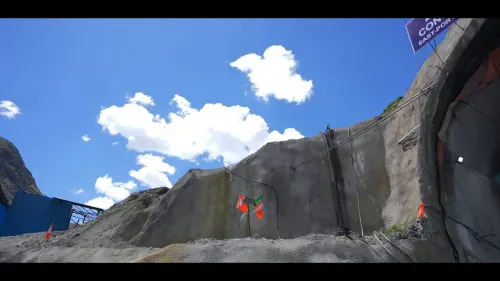
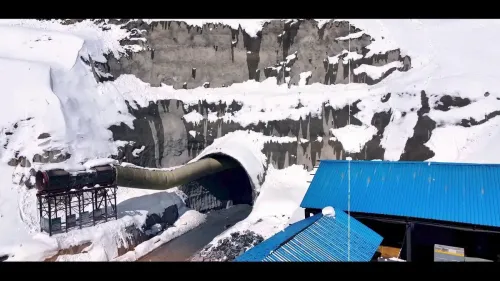
The Zojila Pass has historically remained cut off for extended periods every year due to heavy snowfall, avalanches, and extreme weather conditions — severing surface links between the Kashmir Valley and the Union Territories of Ladakh, including key towns of Drass, Kargil, and Leh. The tunnel is designed to eliminate that seasonal isolation entirely. Notably, this is among the highest-altitude tunnel projects of its scale anywhere in the world.
Strategic and Socio-Economic Significance
Officials emphasised that the Zojila Tunnel carries both civilian and military importance. Once operational, it is expected to significantly improve logistics preparedness and operational mobility in a strategically sensitive border corridor. Beyond defence, the project is projected to support tourism, essential services, and economic integration across the region.
'It is expected to transform regional connectivity, improve the movement of people and goods, reduce weather-related isolation and support economic activity, tourism and essential services across the region,' officials stated.
Project Scale and Workforce
The project commenced on 1 October 2020 and has recorded an overall safety achievement of 10 million safe man-hours. A dedicated workforce of over 1,200 personnel is engaged on site, with 80 per cent comprising local residents and the remaining 20 per cent specialists from other parts of India — a workforce composition that officials say has contributed to both community employment and specialised execution.
What Comes Next
With the excavation phase now concluded, work shifts to the remaining civil, mechanical, and electro-mechanical fit-out required before the tunnel can be declared operational. Full commissioning will mark the realisation of seamless all-weather road connectivity between Kashmir and Ladakh — a goal that has been decades in the making and carries lasting implications for mobility, economic integration, and strategic resilience in the region.
Point of View
But the harder question is timeline to commissioning — excavation is only one phase, and high-altitude tunnel fit-out in this terrain is notoriously slow. The strategic framing is deliberate: positioning a road project as a national security asset reflects how the Centre has recalibrated its Ladakh narrative since 2020. What the coverage underplays is the local employment dimension — 80 per cent local workforce in a region with limited economic options is a policy choice worth scrutinising for its continuity post-construction. The real test of this project's legacy will be its operational reliability through the first few winters after commissioning, not the breakthrough ceremony itself.
NationPress
20 Sept 2026
Frequently Asked Questions
What is the Zojila Tunnel and where is it located?
The Zojila Tunnel is a 13.153-km road tunnel connecting Baltal near Sonmarg in Jammu and Kashmir to Minmarg in Drass district, Ladakh. It passes through the Zojila Pass at an elevation of 11,578 ft above sea level and is designed to provide all-weather connectivity between Srinagar and Ladakh.
What happened at the Zojila Tunnel on 9 June 2025?
Union Minister Nitin Gadkari attended the final excavation breakthrough ceremony at the Minmarg side in Drass district, marking the completion of the most critical underground excavation phase of the project. This is described by officials as the defining construction milestone of the entire project.
Why is the Zojila Tunnel strategically important?
The Zojila corridor connects the Kashmir Valley to Ladakh, including Drass, Kargil, and Leh — towns near India's sensitive borders. The tunnel will improve military logistics and operational mobility in the region year-round, eliminating the seasonal road closure caused by heavy snowfall and avalanches.
When did the Zojila Tunnel project begin and what is its current status?
The project commenced on 1 October 2020. As of 9 June 2025, the excavation phase has been completed. The project now moves to civil, mechanical, and electro-mechanical fit-out work before it can become operational.
Who is building the Zojila Tunnel and how large is the workforce?
The tunnel is being built by a construction company under the Ministry of Road Transport and Highways. Over 1,200 personnel are currently engaged on the project, with 80 per cent being local residents of the region and 20 per cent specialists from other parts of India.