Gadkari flags Zojila Tunnel breakthrough set for June 9
Synopsis
Union Minister Nitin Gadkari has announced that the main tunnel breakthrough ceremony for the 14.2-km Zojila Tunnel — India's most challenging infrastructure project — is set for June 9, 2026. The tunnel will provide all-weather road connectivity between Srinagar and Leh, ending Ladakh's seasonal winter isolation.
Key Takeaways
Union Minister Nitin Gadkari announced the main Zojila Tunnel breakthrough ceremony is scheduled for 9 June 2026 .
The tunnel is 14.2 km long and bidirectional, running under Zojila Pass at over 3,500 metres altitude.
The project was approved by the Cabinet in 2018 at an estimated cost of approximately Rs 6,800 crore under the Bharatmala Pariyojana framework.
Once operational, the tunnel will provide all-weather connectivity between Srinagar and Leh , ending months-long winter road closure of Ladakh.
Key beneficiaries include Ladakh residents , defence forces along the LAC, traders, and tourists.
Post-breakthrough, completion of approach roads and ventilation systems under the PM Gati Shakti framework will determine the final commissioning date.
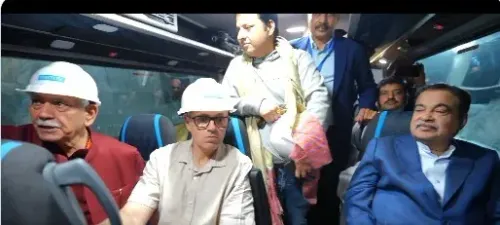
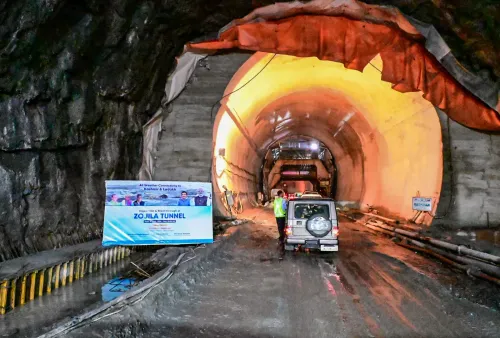
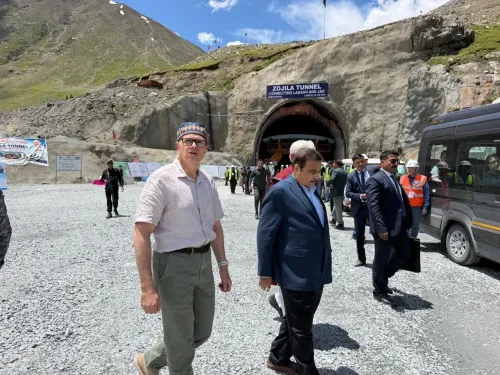
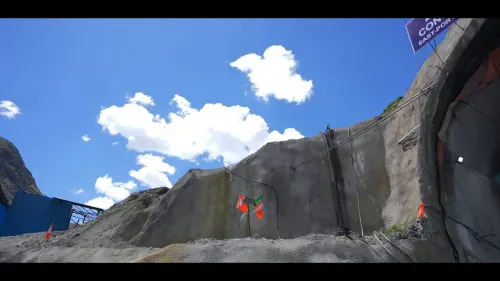
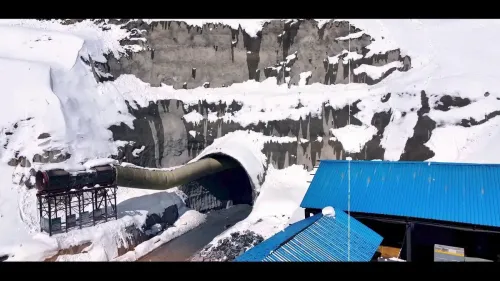
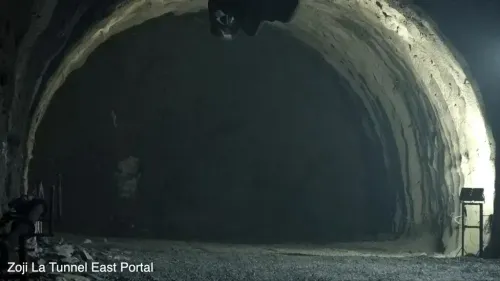
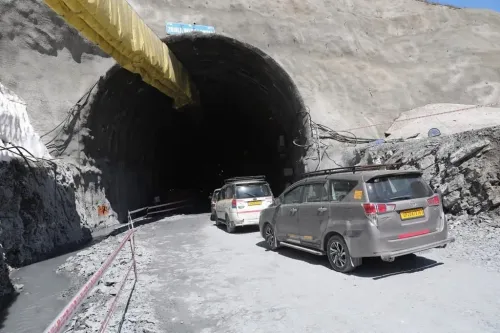
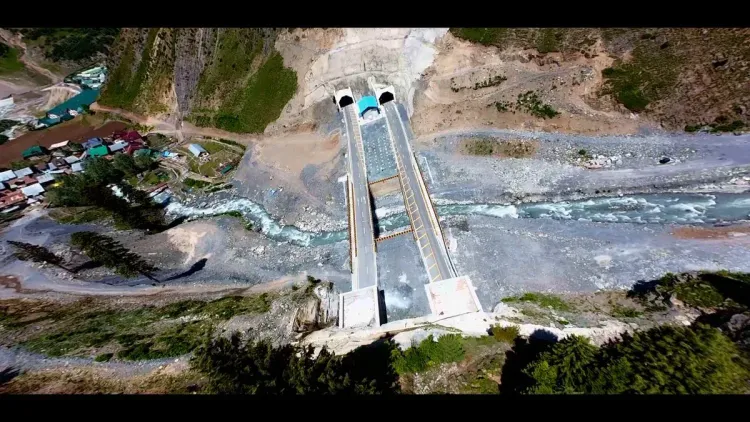
Union Road Transport and Highways Minister Nitin Gadkari on Monday, June 8, 2026, announced that the main tunnel breakthrough ceremony for the Zojila Tunnel — described as India's most challenging infrastructure project — is scheduled for 9 June 2026. The minister shared a video highlighting construction progress on the 14.2-km bidirectional tunnel being carved through the high Himalayas to provide all-weather road connectivity between Srinagar and Leh.
Context
Gadkari's post, written in Hindi, describes the Zojila Tunnel as 'Bharat ki sabse chunautipurn avasanrachna' (India's most challenging infrastructure), taking shape at the 'duragam unchaiyyon' (inaccessible heights) of the Himalayas. The announcement of a specific breakthrough date signals that boring work on the main tube has reached its final stage, a significant engineering milestone for a project that has been under construction for several years at altitudes exceeding 3,500 metres.
Policy Backdrop
The Zojila Tunnel project was awarded a foundation stone by Gadkari in October 2018 under the Bharatmala Pariyojana framework, with Cabinet approval granted the same year at an estimated cost of approximately Rs 6,800 crore. The project sits within the PM Gati Shakti national master plan — launched in 2021 — which coordinates multimodal infrastructure development across central and state agencies. The tunnel is designed to eliminate the months-long winter closure of Zojila Pass, which currently cuts off Ladakh from the Kashmir Valley every year when heavy snowfall renders the pass impassable.
The project is part of a broader strategic infrastructure push in India's western Himalayan border regions, a policy emphasis that has intensified since 2014. Comparable projects such as the Atal Tunnel in Himachal Pradesh and multiple Border Roads Organisation (BRO) corridors reflect the same logic: reduce civilian and military isolation in high-altitude zones that are both strategically sensitive and economically underserved.
Stakeholders and Impact
The tunnel's most direct beneficiaries are the residents of Ladakh, who currently face months of road isolation every winter, forcing dependence on air connectivity that is both expensive and weather-dependent. Defence forces deployed along the Line of Actual Control (LAC) stand to gain assured year-round road access for troop movement and logistics, a factor of considerable strategic weight given the region's security environment.
Traders and tourists form a third major stakeholder group. The Leh tourism economy, which has grown substantially over the past decade, is constrained by the short accessible season. All-weather connectivity through the Zojila Tunnel would extend the tourist calendar and reduce freight costs for goods entering Ladakh. Once operational, the tunnel is expected to cut travel time between Srinagar and Leh significantly compared to the current mountain road.
What's Next
The June 9, 2026 breakthrough event marks the completion of the main bore, but the project's full commissioning will require the completion of approach roads, ventilation and safety systems, and electromechanical fitments — all of which are being tracked under the Gati Shakti framework. Once these are in place, the Zojila Tunnel will represent the longest road tunnel in India and among the highest-altitude tunnels in the world. The ministry is expected to announce a commissioning timeline following the breakthrough ceremony, which will be closely watched by Ladakh's civilian administration and defence planners alike.
Point of View
With Gadkari as its most visible face. Announcing a precise breakthrough date — rather than a vague progress update — is a deliberate signal of delivery confidence ahead of what remains a politically sensitive region. The project's dual civilian-military utility gives it unusual cross-departmental weight, linking the Ministry of Road Transport to defence priorities in Ladakh. Completion would also hand the government a tangible, high-visibility infrastructure achievement in a Union Territory that has been at the centre of India's security calculus since 2019.
NationPress
22 Oct 2026
Frequently Asked Questions
What is the Zojila Tunnel and why is it important?
The Zojila Tunnel is a 14.2-km bidirectional road tunnel being built under Zojila Pass in the Himalayas to provide all-weather road connectivity between Srinagar and Leh. It is important because Zojila Pass currently closes for several months every winter, isolating Ladakh from the Kashmir Valley and disrupting civilian life, trade, and military logistics.
When is the Zojila Tunnel breakthrough ceremony?
Union Minister Nitin Gadkari announced that the main tunnel breakthrough ceremony is scheduled for 9 June 2026.
What is the cost of the Zojila Tunnel project?
The Cabinet approved the Zojila Tunnel project in 2018 at an estimated cost of approximately Rs 6,800 crore under the Bharatmala Pariyojana framework.
Who will benefit from the Zojila Tunnel?
The primary beneficiaries are Ladakh residents who face winter road isolation, defence forces deployed along the Line of Actual Control who require year-round logistics access, and traders and tourists for whom all-weather connectivity would extend the accessible season and reduce freight costs.
What is the difference between a tunnel breakthrough and full completion?
A tunnel breakthrough marks the moment boring through the main tube is complete, connecting both ends. Full completion requires additional work including approach roads, ventilation systems, and electromechanical fitments before the tunnel can be opened to traffic.