New Zealand sanctions Russia again; US bill threatens 100% tariffs on oil buyers
Synopsis
New Zealand's 36th Russia sanctions round is significant, but the bigger story is Washington's: a Senate bill passed 86-11 could slap 100% tariffs on the world's top buyers of Russian oil — without naming them. India, one of Russia's largest crude customers since 2022, sits squarely in the crosshairs as the bill heads to a divided House.
Key Takeaways
New Zealand unveiled its 36th round of Russia sanctions on 8 August , targeting 33 individuals and entities .
Wellington has sanctioned more than 2,000 individuals, entities, and vessels since the Russia Sanctions Act was enacted in March 2022 .
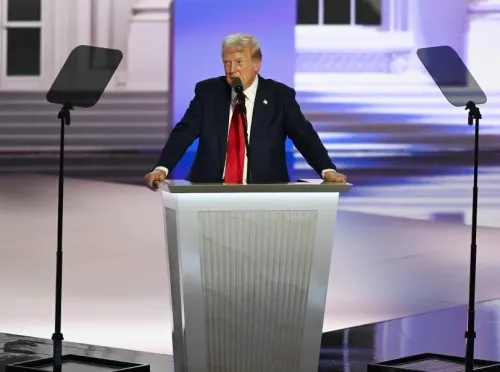
The US Senate passed the Lindsey Graham Sanctioning Russia and Iran Act of 2026 by 86-11 , threatening tariffs of up to 100% on major Russian energy buyers.
The bill covers the five largest importers of Russian crude oil and natural gas, and the top five countries facilitating sanctions evasion — potentially including India .
The legislation now goes to the House of Representatives , where senior Democrats have objected to its tariff provisions.
The bill also extends the Iran Sanctions Act of 1996 until 2031 .
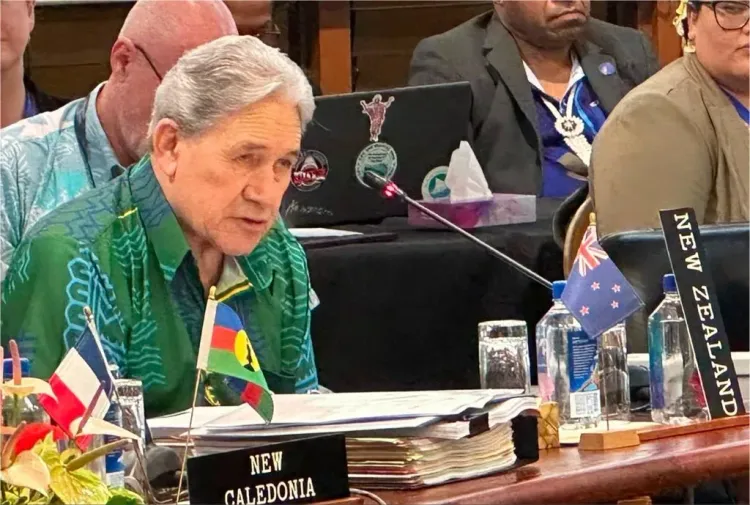
New Zealand on Saturday, 8 August announced its latest round of sanctions targeting those supporting Russia's ongoing conflict with Ukraine, with Foreign Minister Winston Peters unveiling a package directed at 33 individuals and entities. The move marks the country's 36th sanctions round since it enacted the Russia Sanctions Act in March 2022.
New Zealand's Sanctions Record
Since activating its Russia Sanctions Act over three years ago, Wellington has moved against more than 2,000 individuals, entities, and vessels across successive rounds. The latest package adds 33 more targets, continuing what has become one of the most sustained sanctions campaigns mounted by a Pacific nation in response to the war in Ukraine.
The US Senate's Sweeping Russia Sanctions Bill
In a separate but significant development, the US Senate passed the Lindsey Graham Sanctioning Russia and Iran Act of 2026 by an 86-11 vote. The legislation does not name specific countries, but its provisions could expose major buyers of Russian energy — including India — to secondary tariffs of up to 100 per cent.
The bill now moves to the House of Representatives, where senior Democrats have already raised objections to its tariff provisions. The legislation requires the administration to identify countries using trade data, covering the five largest importers of Russian crude oil, the five largest importers of Russian natural gas, and the five leading countries facilitating Russian oil sanctions evasion. Those determinations would be based on the most recent 12-month period and reviewed every 180 days.
What the Bill Targets
The bill would impose both primary and secondary sanctions against Russian officials, oligarchs, their family members, banks, and financial institutions. It also targets foreign actors supporting Moscow's war in Ukraine and Russia's so-called shadow fleet — vessels used to transport oil and evade existing sanctions. Additionally, the legislation would extend the Iran Sanctions Act of 1996 until 2031, penalising companies investing in Iran's energy sector.
The Lindsey Graham Legacy
The legislation was named after Republican Senator Lindsey Graham, who negotiated a key agreement with the White House before his sudden death on 11 July. Senators reportedly accelerated work on the measure following his passing, underscoring the bipartisan urgency attached to tightening the economic noose around Moscow.
What Comes Next
The bill's passage through the House of Representatives remains uncertain given Democratic reservations over the tariff clauses. Should it clear the House and be signed into law, countries identified as top buyers of Russian energy could face significant trade consequences — a prospect that will be closely watched in New Delhi, given India's substantial purchases of discounted Russian crude since 2022.
Point of View
And the bill's data-driven targeting mechanism is deliberately designed to ensnare India without naming it. New Delhi has walked a careful line on Russian oil since 2022, and this legislation — if it clears a fractious House — could force a reckoning between India's energy economics and its strategic partnership with the US. The Democratic objections to tariff provisions are the only near-term firewall, and they may not hold.
NationPress
8 Aug 2026
Frequently Asked Questions
What sanctions did New Zealand announce against Russia?
New Zealand announced its 36th round of Russia-related sanctions on 8 August, targeting 33 individuals and entities supporting Russia's conflict with Ukraine. Since enacting the Russia Sanctions Act in March 2022, Wellington has sanctioned more than 2,000 individuals, entities, and vessels.
What is the Lindsey Graham Sanctioning Russia and Iran Act of 2026?
It is a US Senate bill passed by an 86-11 vote that would impose primary and secondary sanctions on Russian officials, oligarchs, banks, and foreign actors supporting Moscow's war in Ukraine. It also threatens tariffs of up to 100% on the five largest importers of Russian crude oil and natural gas, without naming specific countries.
Could India be affected by the US Senate Russia sanctions bill?
Potentially, yes. The bill does not name India, but it targets the five largest importers of Russian crude oil and natural gas — categories India could fall into given its substantial purchases of discounted Russian crude since 2022. Determinations would be made using trade data and reviewed every 180 days.
What happens to the bill next?
The Lindsey Graham Act now moves to the House of Representatives, where senior Democrats have objected to its tariff provisions. Its passage through the House is uncertain, and any amendments could alter its scope before it reaches the President.
Who was Lindsey Graham and why is the bill named after him?
Lindsey Graham was a Republican Senator who negotiated the agreement underpinning this legislation with the White House before his sudden death on 11 July. Senators accelerated work on the bill after his passing as a tribute to his efforts to tighten sanctions on Russia and Iran.