Nigeria to evacuate citizens from South Africa amid anti-immigration violence
Synopsis
Nigeria is airlifting its citizens out of South Africa as anti-immigration violence escalates — following Ghana's evacuation of 300 nationals last month. With a 30 June deadline set by anti-immigration groups and the African Union being lobbied to intervene, the crisis is fast becoming a continent-wide diplomatic flashpoint.
Key Takeaways
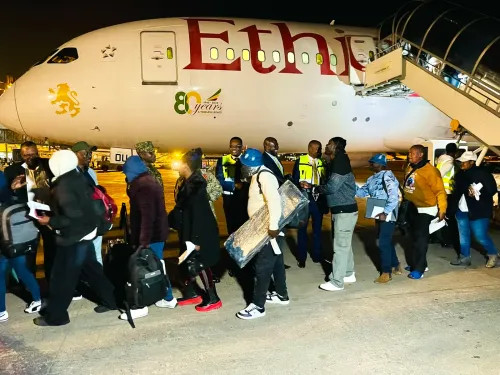
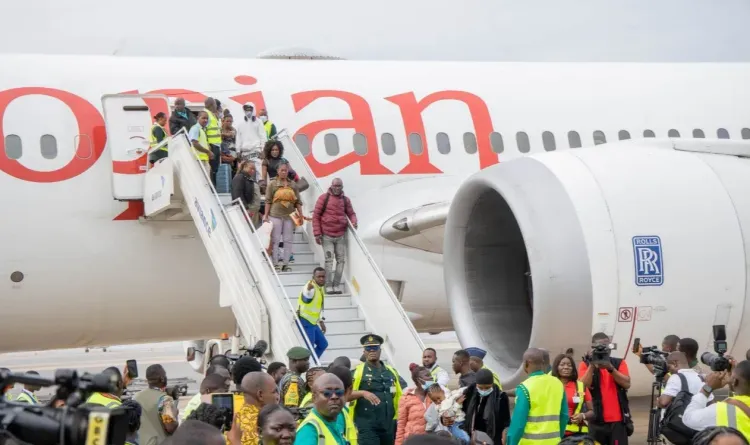
The Nigerian government has finalised evacuation plans for citizens in South Africa , with the first batch departing Johannesburg on Wednesday night and arriving in Lagos on Thursday .
The evacuation is fully government-funded ; the exact number of evacuees in the first batch has not been disclosed.
Anti-immigration groups in South Africa have set 30 June as a deadline for undocumented foreigners to leave, threatening nationwide protests.
Ghana evacuated 300 citizens from South Africa last month, including 26 held for visa-related offences.
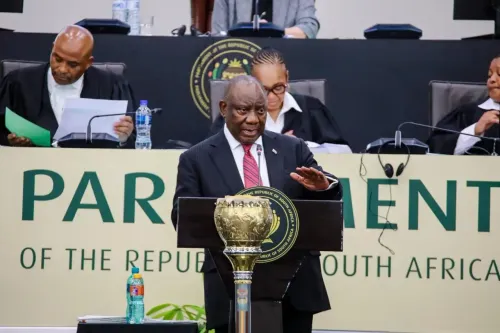
South African President Cyril Ramaphosa condemned the violence in May , calling perpetrators 'opportunists exploiting legitimate grievances.' Ghana has asked the African Union to place the crisis on the agenda of the upcoming Mid-Year Coordination Summit .
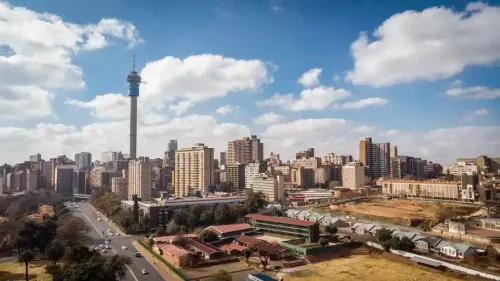
The Nigerian government has finalised arrangements to evacuate the first batch of its citizens from South Africa following reports of attacks on foreign nationals, the Ministry of Foreign Affairs announced on Tuesday, 9 June. The evacuees are set to depart from O.R. Tambo International Airport in Johannesburg on Wednesday night and are expected to land in Lagos early Thursday.
Key Developments
Ministry spokesperson Kimiebi Ebienfa confirmed that the Nigerian government will fully fund the evacuation, with no costs borne by the returnees. The exact number of people in the first batch has not been disclosed. Relevant ministries, departments, and agencies have been directed to receive and support the evacuees upon arrival.
'Upon arrival, the evacuees will undergo documentation and profiling and will receive necessary assistance before being reunited with their families,' Ebienfa said.
The Anti-Immigration Crisis in South Africa
South Africa has recently witnessed a surge in anti-immigration demonstrations, with organisers citing high domestic unemployment, rising crime rates, and pressure on public infrastructure as primary grievances. Some anti-immigration groups have set 30 June as a deadline for undocumented foreigners to leave the country, threatening nationwide protests if their demands are not met.
The situation has drawn concern across the continent, with several African nations reportedly raising the issue with the South African government through diplomatic channels.
Regional Response: Ghana's Earlier Evacuation
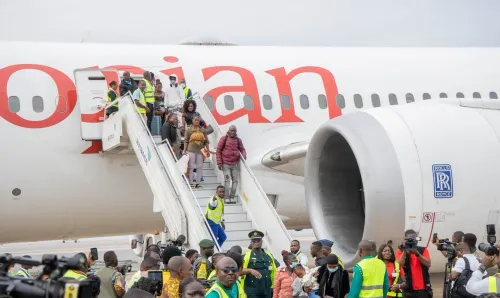
Nigeria's move follows a similar step by Ghana, which evacuated 300 citizens from South Africa last month amid concerns over xenophobic attacks. Ghanaian Foreign Minister Samuel Okudzeto Ablakwa, who received the returnees at the airport, noted that the group included 26 citizens who had been imprisoned in South Africa for visa-related offences. Ghana has also requested that the African Union debate what it describes as 'xenophobic attacks' against African nationals in South Africa at the upcoming African Union Mid-Year Coordination Summit in June.
What the South African Government Has Said
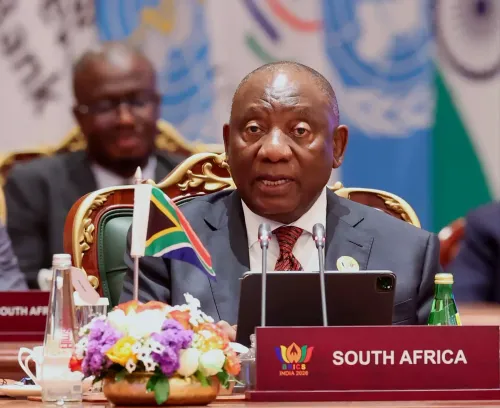
In May, South African President Cyril Ramaphosa urged both citizens and foreign nationals to respect the rule of law as the government intensified efforts to address illegal migration. In his weekly newsletter, Ramaphosa condemned violent protests and criminal acts targeting foreign nationals, stating such actions did not reflect the views of South Africans or government policy.
'These are the acts of opportunists who are exploiting the legitimate grievances, particularly those of the poor, under the false guise of community activism,' Ramaphosa said.
What Happens Next
With the 30 June anti-immigration deadline looming and multiple African governments now engaging South Africa diplomatically, pressure on Pretoria to contain the violence is mounting. The African Union debate, if scheduled, could further internationalise a crisis that has already triggered two government-funded evacuations within weeks.
Point of View
' Pretoria faces the rare prospect of being held accountable by its own continental peers. South Africa's post-apartheid identity as a beacon of pan-African solidarity is quietly fracturing under the weight of unemployment and governance failure.
NationPress
22 Sept 2026
Frequently Asked Questions
Why is Nigeria evacuating its citizens from South Africa?
Nigeria is evacuating its citizens following reports of attacks on foreign nationals amid a surge in anti-immigration demonstrations across South Africa. The Nigerian Ministry of Foreign Affairs announced the first evacuation flight on 9 June, with the government covering all costs.
When will the Nigerian evacuees arrive, and where?
The first batch of evacuees is scheduled to depart O.R. Tambo International Airport in Johannesburg on Wednesday night and is expected to arrive in Lagos early Thursday. The exact number in the first batch has not been officially disclosed.
What is driving the anti-immigration violence in South Africa?
Organisers of anti-immigration demonstrations cite high domestic unemployment, rising crime rates, and strain on public infrastructure as their primary grievances. Some groups have set 30 June as a deadline for undocumented foreigners to leave and have threatened nationwide protests if the deadline is not met.
Has any other African country taken similar steps?
Yes. Ghana evacuated 300 of its citizens from South Africa last month, including 26 who had been imprisoned for visa-related offences. Ghana has also called on the African Union to debate the crisis at its upcoming Mid-Year Coordination Summit in June.
What has South Africa's government said about the attacks?
President Cyril Ramaphosa, in his weekly newsletter in May, condemned violent protests targeting foreign nationals, saying such acts did not reflect the views of South Africans or government policy. He described the perpetrators as 'opportunists exploiting the legitimate grievances of the poor under the false guise of community activism.'