Ghana evacuates 300 citizens from South Africa over xenophobic attacks
Synopsis
Ghana has airlifted 300 of its citizens out of South Africa — including 26 who were jailed for visa offences — as xenophobic attacks make life untenable for African migrants. With 500 more awaiting evacuation and Accra pushing the African Union to formally debate the crisis, this is shaping up as a continent-wide diplomatic flashpoint, not just a bilateral dispute.
Key Takeaways
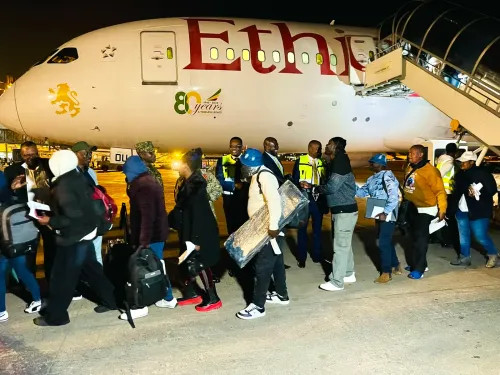
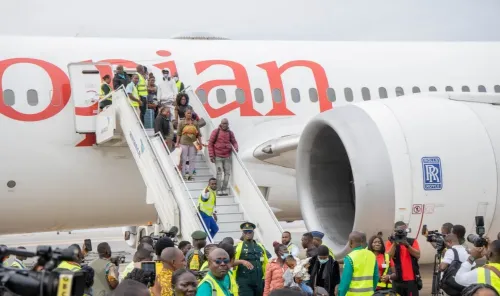
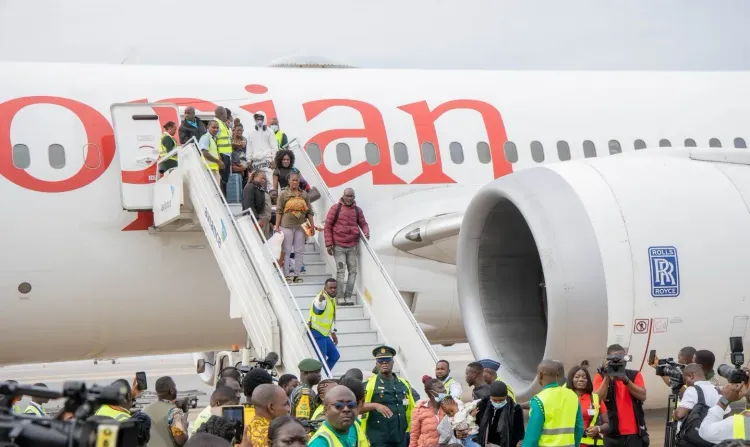
Ghana evacuated 300 citizens from South Africa , with the first batch arriving at Accra International Airport on 28 May .
More than 800 Ghanaians had registered with their mission seeking repatriation assistance; over 500 are still awaiting evacuation.
The group included 26 citizens imprisoned in South Africa for visa-related offences.
Foreign Minister Samuel Okudzeto Ablakwa confirmed psychosocial support, transport, and reintegration allowances for returnees.
South African President Cyril Ramaphosa condemned the violence, calling perpetrators ‘opportunists exploiting legitimate grievances.’ Ghana has asked the African Union to debate xenophobic attacks against African nationals at its Mid-Year Coordination Summit in June .
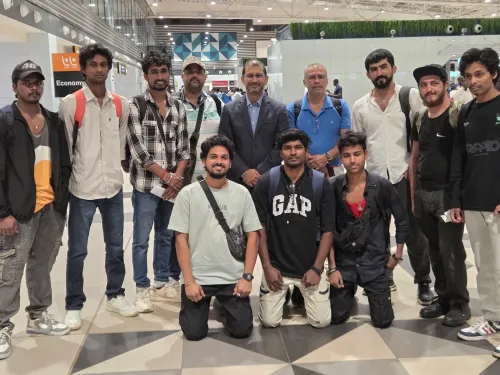
The Ghanaian government has evacuated 300 citizens from South Africa amid growing concerns over xenophobic attacks targeting foreign nationals, with the first batch of returnees landing at Accra International Airport on Wednesday, 28 May. The evacuees are part of a larger group of more than 800 Ghanaian nationals registered with the country’s mission in South Africa who had sought government assistance to return home.
Who Arrived and What Support They Will Receive
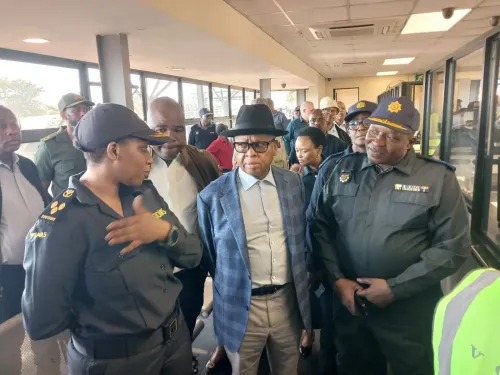
Ghanaian Foreign Minister Samuel Okudzeto Ablakwa received the returnees at the airport and confirmed that the group included 26 citizens who had been imprisoned in South Africa for visa-related offences. Ablakwa said the government had deployed professionals — including psychologists, medical doctors, and nurses — to provide psychosocial support to the evacuees.
Beyond immediate care, the government announced transport allowances to help returnees reach their home communities, as well as a reintegration allowance to assist them in settling back into Ghanaian society. Julius Debrah, Chief of Staff at the Presidency, welcomed the first batch and urged returnees to move past their difficult experiences and rebuild their lives.
Voices From the Ground
Victor Atsu Togbe, one of the evacuees who had lived in South Africa for 16 years, described how attacks on foreigners had made it increasingly impossible to sustain a livelihood. “We are happy to be back home,” he said. His account reflects a broader pattern of vulnerability reported by African migrants in parts of South Africa, where periodic outbreaks of anti-foreigner violence have displaced communities and disrupted livelihoods for years.
South Africa’s Official Response
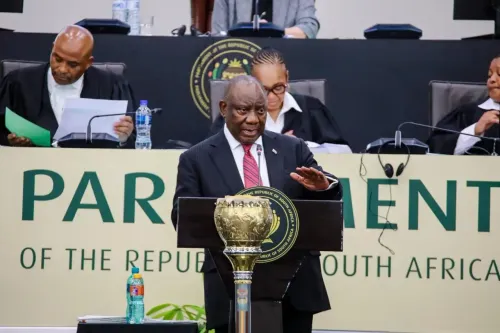
Earlier this month, South African President Cyril Ramaphosa urged both citizens and foreign nationals to respect the rule of law as his administration intensified efforts to address illegal migration. In his weekly newsletter, Ramaphosa condemned the recent violent protests and criminal acts targeting foreign nationals, stating that such actions did not reflect the views of South Africans or government policy.
“These are the acts of opportunists who are exploiting the legitimate grievances, particularly those of the poor, under the false guise of ‘community activism’,” Ramaphosa said.
Ghana Takes the Issue to the African Union
This comes amid a broader diplomatic push by Accra: Ghana has formally requested that the African Union (AU) debate what it has described as “xenophobic attacks” against African nationals in South Africa at the upcoming African Union Mid-Year Coordination Summit in June. The move signals that Ghana intends to internationalise the issue rather than treat it as a bilateral matter, potentially increasing pressure on Pretoria ahead of the summit.
Notably, this is not the first time South Africa has faced international scrutiny over xenophobic violence — large-scale attacks on foreign nationals were recorded in 2008, 2015, and 2019, each triggering diplomatic responses from affected countries across the continent. The latest evacuation underscores that the underlying tensions remain unresolved.
What Happens Next
With more than 500 additional Ghanaians still registered and awaiting repatriation, further evacuation flights are expected. The AU summit in June will be a critical test of whether the continent can forge a collective response to protect intra-African migrants — or whether the issue remains trapped in bilateral diplomatic channels.
Point of View
After which structural reforms did not materialise. The real question is whether the AU summit will produce enforceable commitments or another round of declarations. For South Africa, the diplomatic cost of inaction is rising as more African governments follow Ghana’s lead in publicly naming the crisis.
NationPress
16 Sept 2026
Frequently Asked Questions
Why is Ghana evacuating its citizens from South Africa?
Ghana is evacuating its citizens due to concerns over xenophobic attacks targeting foreign nationals in South Africa. More than 800 Ghanaians had registered with their country’s mission seeking help to return home, and the first batch of 300 arrived in Accra on 28 May.
Who received the evacuees in Ghana and what support is being provided?
Foreign Minister Samuel Okudzeto Ablakwa received the returnees at Accra International Airport. The government is providing psychosocial support from psychologists, doctors, and nurses, along with transport and reintegration allowances to help evacuees settle back home.
What has South African President Cyril Ramaphosa said about the violence?
Ramaphosa condemned the violent protests and criminal acts targeting foreign nationals in his weekly newsletter, calling the perpetrators ‘opportunists exploiting legitimate grievances under the false guise of community activism.’ He urged all residents to respect the rule of law.
What is Ghana asking the African Union to do?
Ghana has formally requested that the African Union debate xenophobic attacks against African nationals in South Africa at the upcoming AU Mid-Year Coordination Summit in June. The move signals Accra’s intent to address the issue at a continental level rather than through bilateral channels alone.
Is this the first time South Africa has faced such a crisis?
No. South Africa has experienced major waves of xenophobic violence in 2008, 2015, and 2019, each triggering diplomatic responses from affected African countries. The current evacuation underscores that the underlying tensions have not been structurally resolved.