Uganda repatriates 273 nationals from South Africa amid xenophobic violence
Synopsis
Uganda has begun airlifting its citizens out of South Africa as xenophobic violence forces a regional reckoning. With 273 nationals already home and more flights imminent, and South Africa having processed over 35,000 migrants at Beitbridge since June, this is shaping up to be one of the continent's most significant forced-migration episodes in years — and a diplomatic test for Pretoria.
Key Takeaways
273 Ugandan nationals arrived at Entebbe International Airport on 3 July on the first repatriation flight from Johannesburg .
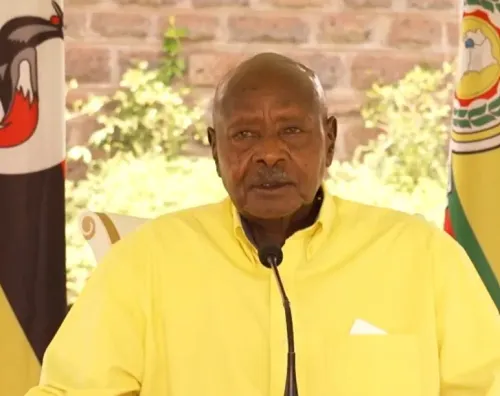
President Yoweri Museveni ordered the evacuation in response to ongoing xenophobic violence and anti-migrant protests in South Africa .
Two additional flights were arranged for the same day, carrying 35 and 114 more evacuees respectively.
South Africa has processed more than 35,000 migrants through voluntary repatriation and deportation at Beitbridge Border Post since early June.
The majority of those processed were Zimbabwean and Malawian nationals; on Wednesday alone, 2,400 people were handled at the border.
Anti-migrant protests began in April and escalated into a nationwide demonstration on Tuesday, with operations shifted from Durban to Musina, Limpopo .
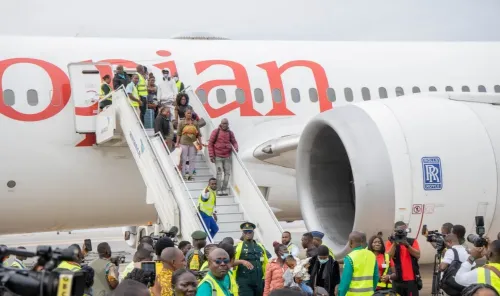
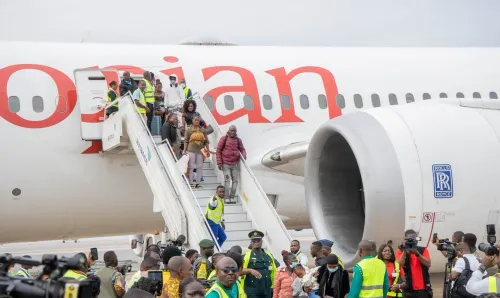
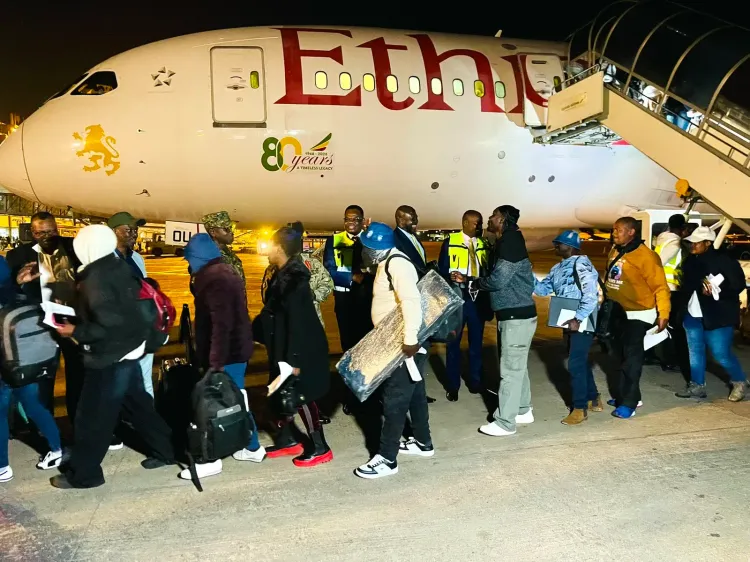
A total of 273 Ugandan nationals landed at Entebbe International Airport in the early hours of Friday, 3 July, becoming the first group to be flown home from South Africa as xenophobic violence and anti-migrant protests continue to grip the country. The chartered flight departed from O.R. Tambo International Airport in Johannesburg, marking the start of what Ugandan authorities have signalled will be a multi-flight evacuation operation.
Presidential Directive Behind the Evacuation
The repatriation was set in motion by a directive from Ugandan President Yoweri Museveni, who ordered the government to prioritise the safety and welfare of Ugandan citizens caught in the wave of anti-migrant hostility sweeping South Africa, according to Uganda's Ministry of Foreign Affairs. The move reflects growing alarm in East African capitals over the deteriorating conditions facing their diaspora communities in South Africa.
More Flights Underway
According to a statement from the Uganda Media Centre, a state-run communications agency, Ugandan Ambassador to South Africa Paul Amoru confirmed that additional repatriation flights were being arranged. A second flight carrying 35 evacuees was scheduled to depart on Friday morning, while a third aircraft transporting 114 Ugandan nationals was expected to leave later the same afternoon. The phased approach suggests the total number of returnees could rise significantly in the coming days.
South Africa's Broader Repatriation Drive
Uganda's evacuation is unfolding against the backdrop of a large-scale migration enforcement operation by South African authorities. More than 35,000 individuals have been processed through voluntary repatriation and deportation at the Beitbridge Border Post in Limpopo Province since the government intensified enforcement measures in early June, authorities said on Thursday.
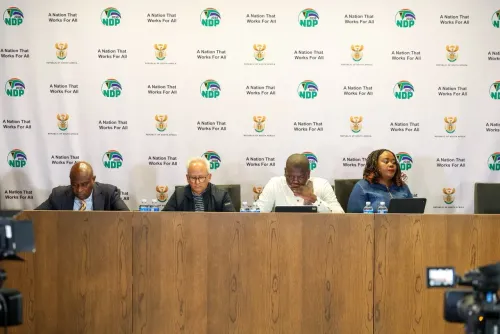
Speaking at a media briefing at the border post, Acting Commissioner of the Border Management Authority David Chilembe said: 'Since we started here on the seventh, when the president announced the measures that we have to put in place about migration issues, we have dealt with more than 35,000 people that we have repatriated and deported through this border post.' The majority were Zimbabwean and Malawian nationals. On Wednesday alone, authorities handled approximately 2,400 people, including around 1,700 Malawians and 700 Zimbabweans, Chilembe added.
Months of Protests Fuel the Crisis
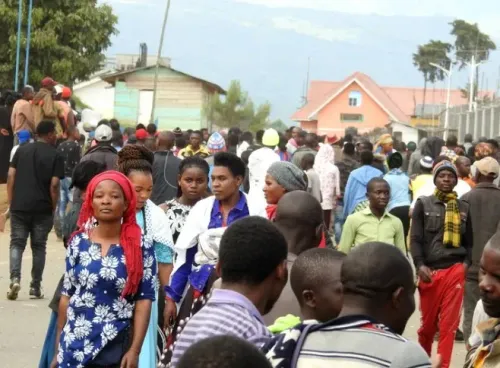
The intensified repatriation drive follows months of escalating public protests over illegal migration that began in April and culminated in a nationwide demonstration on Tuesday. Thousands of migrants, particularly from Malawi, gathered at a temporary repatriation centre in Durban before the government relocated operations to a new facility in Musina, in Limpopo, near the Beitbridge border crossing with Zimbabwe. This is not the first time South Africa has faced a xenophobic crisis — similar outbreaks in 2008 and 2019 displaced tens of thousands of foreign nationals and drew sharp international condemnation.
What Comes Next
With additional repatriation flights being arranged and South Africa's enforcement operations showing no sign of slowing, the coming weeks will test diplomatic ties between Pretoria and several African capitals. For Uganda, the immediate priority is receiving and resettling returning citizens; for South Africa, managing the political and humanitarian fallout of one of its most significant migration crises in recent years.
Point of View
000-plus processed at Beitbridge since June is a staggering number — and it almost certainly undercounts those who left informally to avoid detention. South Africa's political establishment has repeatedly failed to distinguish between legitimate migration concerns and the scapegoating that fuels mob violence; the April-to-July escalation follows a familiar script from 2008 and 2019. Until Pretoria pairs enforcement with credible prosecution of perpetrators of xenophobic attacks, repatriation flights will keep taking off — and South Africa's standing on the continent will keep eroding.
NationPress
2 Oct 2026
Frequently Asked Questions
Why is Uganda repatriating its nationals from South Africa?
Uganda is repatriating its citizens following a directive by President Yoweri Museveni to protect Ugandans caught in ongoing xenophobic violence and anti-migrant protests in South Africa. The first flight carrying 273 nationals landed at Entebbe International Airport on 3 July.
How many Ugandans have been repatriated so far?
The first repatriation flight brought 273 Ugandan nationals home on 3 July. A second flight with 35 evacuees and a third carrying 114 nationals were scheduled to depart later the same day, meaning the total could exceed 420 within 24 hours.
What is happening at the Beitbridge Border Post in South Africa?
South Africa's Beitbridge Border Post in Limpopo Province has processed more than 35,000 migrants through voluntary repatriation and deportation since the government intensified enforcement in early June. On Wednesday alone, around 2,400 people — including 1,700 Malawians and 700 Zimbabweans — were handled at the crossing.
What triggered the anti-migrant protests in South Africa?
Public protests over illegal migration began in April and escalated into a nationwide demonstration on Tuesday. The unrest led to thousands of migrants, particularly from Malawi, gathering at a temporary repatriation centre in Durban before authorities moved operations to Musina in Limpopo.
Is this the first time South Africa has faced xenophobic violence of this scale?
No. South Africa experienced major xenophobic outbreaks in 2008 and 2019, both of which displaced tens of thousands of foreign nationals and drew international condemnation. The current crisis, which began in April, is considered one of the most significant since those episodes.